
Carbohydrates (Your Friend, Not Your Enemy)
Carbohydrates have long been misunderstood in the world of health and nutrition. Many people mistakenly associate carbs with weight gain, leading to the rise of “low-carb” or “no-carb” diets.
However, carbohydrates are not the villains they’re made out to be. They are, in fact, one of the most essential components of a healthy and balanced diet. Eliminating them completely can lead to fatigue, nutritional deficiencies, and a slower metabolism.
Let’s take a deeper dive into the role of carbohydrates, why they’re crucial for the body, and how to incorporate the right ones into your meals.
What Are Carbohydrates?
Carbohydrates are organic compounds made up of carbon, hydrogen, and oxygen. They are the body’s primary source of energy, fueling everything from daily activities to intense workouts. Depending on their structure, carbs are divided into two types:
1. Simple Carbohydrates
These are quickly digested and provide immediate energy. They are naturally present in fruits, dairy products, and certain vegetables. Their quick absorption makes them ideal for moments when the body needs an energy boost.
2.Complex Carbohydrates
These have a more complex molecular structure, which takes longer for the body to break down.
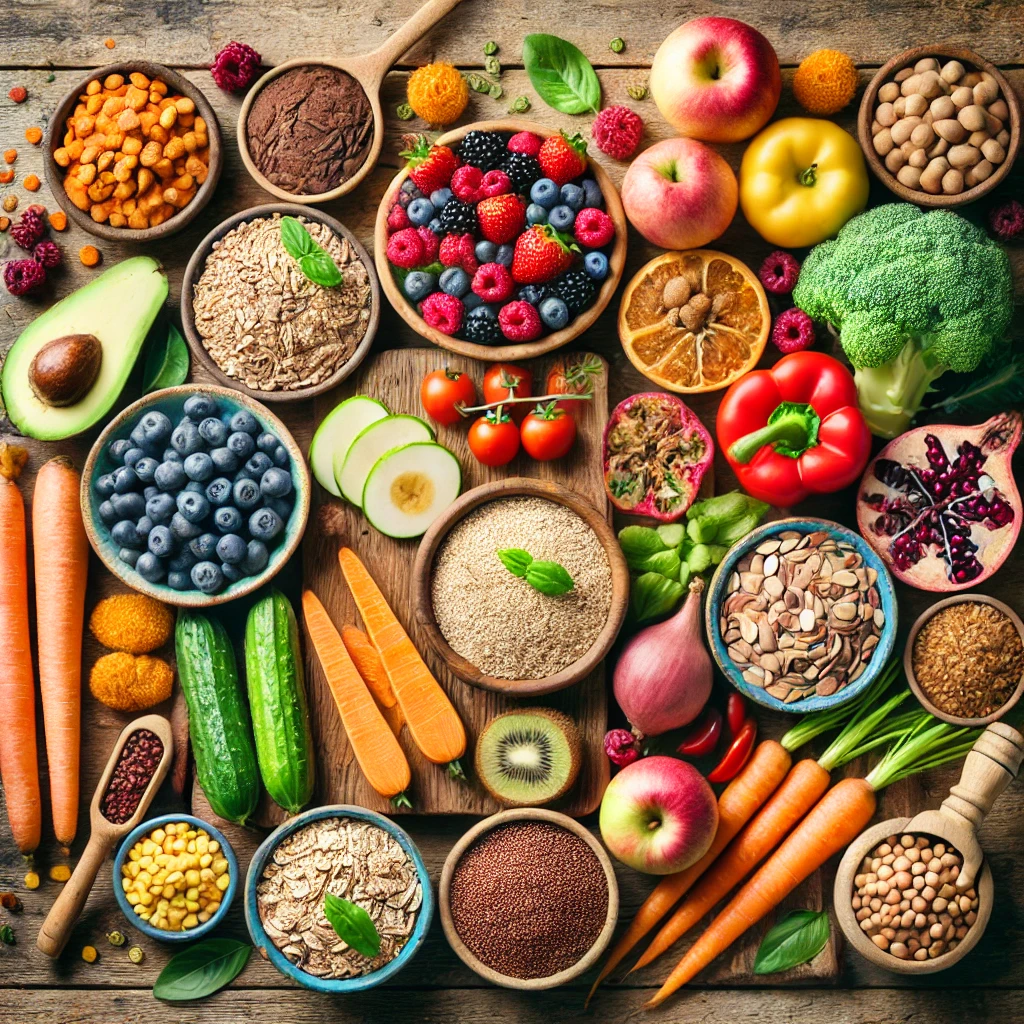
Complex carbs are found in whole grains, legumes, pulses, and vegetables. They provide sustained energy and are packed with essential nutrients like fiber, vitamins, and minerals.
Both types of carbs are important for a balanced diet, but the key is to focus on unprocessed sources.
Myths About Carbs
1. Are Carbs Bad?
No, carbs are not bad. They are an essential macronutrient that your body needs for energy, brain function, and overall well-being. The problem arises when people consume excessive amounts of refined and processed carbs.
2. Should I Give Them Up?
Absolutely not! Giving up carbs entirely can have negative consequences, such as low energy levels, poor concentration, and even metabolic issues. The goal should be to choose healthy, whole-food sources of carbohydrates.
3. Is Skipping Carbs at Dinner a Good Idea?
No, it’s not. Your body requires a steady supply of energy, even at night. Skipping carbs at dinner may disrupt your metabolism and lead to late-night cravings. Balanced meals, including carbs, help maintain consistent energy levels.
Benefits of Carbohydrates
Carbohydrates are not just a source of energy; they also offer several health benefits:
1. Rich in Nutrients
Whole grains, pulses, legumes, and fruits are nutrient powerhouses. They provide:
Essential vitamins like B-complex vitamins
Minerals such as selenium, zinc, and magnesium
Dietary fiber, which supports digestion and gut health
Amino acids, which are building blocks of proteinComplex Carbohydrates
These nutrients are vital for maintaining a healthy immune system, brain function, and overall well-being.
2. Improve Digestion
The fiber found in complex carbs promotes a healthy digestive system. It aids in regular bowel movements and prevents constipation.
Fiber also supports gut health by feeding beneficial bacteria in the digestive tract.
3. Boost Heart Health
Carbs, especially those rich in fiber, play a significant role in maintaining heart health. They help:
Reduce bad cholesterol levels
Lower blood pressure
Decrease the risk of cardiovascular diseases
Whole grains like oats and brown rice are particularly beneficial for heart health.
4. Enhance Fat-Burning
Contrary to popular belief, consuming the right kind of carbs can improve your body’s fat-burning capacity. They provide the energy needed for physical activity, allowing the body to metabolize fat more efficiently.
5. Support Mental Health
Carbohydrates are linked to the production of serotonin, a neurotransmitter that boosts mood and promotes relaxation. Cutting out carbs completely can lead to irritability, mood swings, and even depression.
Which Carbs Should You Avoid?
Not all carbs are created equal. While whole-food sources are beneficial, processed and refined carbs should be consumed in moderation. These include:
Cakes, cookies, and pastries
White bread and pizza made with refined flour
Sugary drinks and candies
Packaged snacks like chips and crackers
These foods often contain trans fats, preservatives, and added sugars, which can:
Increase waist size
Raise cholesterol levels
Lead to mood swings
Block arteries and increase the risk of heart disease
Pro Tip: If you must indulge in these foods occasionally, consume them earlier in the day when your digestive system is most active.
The Right Way to Include Carbs in Your Diet
To reap the benefits of carbs without the downsides, focus on the following:
1. Choose Whole Grains
Incorporate whole grains like brown rice, quinoa, oats, and millet into your meals. They are rich in fiber, vitamins, and minerals.
2. Embrace Seasonal Fruits and Vegetables
Fruits and vegetables provide simple carbs along with antioxidants, vitamins, and minerals. They are perfect for snacks or as part of meals.
3. Pair Carbs with Protein and Healthy Fats
Combining carbs with protein and healthy fats helps regulate blood sugar levels and keeps you feeling fuller for longer. For example, pair whole-grain bread with avocado and eggs or roti with lentils and vegetables.
4. Limit Processed Carbs
Cut back on refined and processed foods, such as white bread, sugary cereals, and packaged snacks. Replace them with healthier options like whole-grain bread or homemade snacks.
Why Avoiding Carbs Can Backfire
Eliminating carbs completely from your diet can have adverse effects:
1. Fatigue and Low Energy: Without carbs, your body struggles to generate sufficient energy, leaving you tired and sluggish.
2. Reduced Fat-Burning Ability: Carbs are necessary to kickstart your metabolism and help burn fat efficiently.
3. Brain Fog: Your brain relies on glucose, which is derived from carbs, to function optimally. A lack of carbs can impair cognitive function.
4. Nutrient Deficiencies: Whole carbs are rich in fiber, vitamins, and minerals. Cutting them out can lead to deficiencies that affect overall health.
Balanced Carbs: A Practical Approach
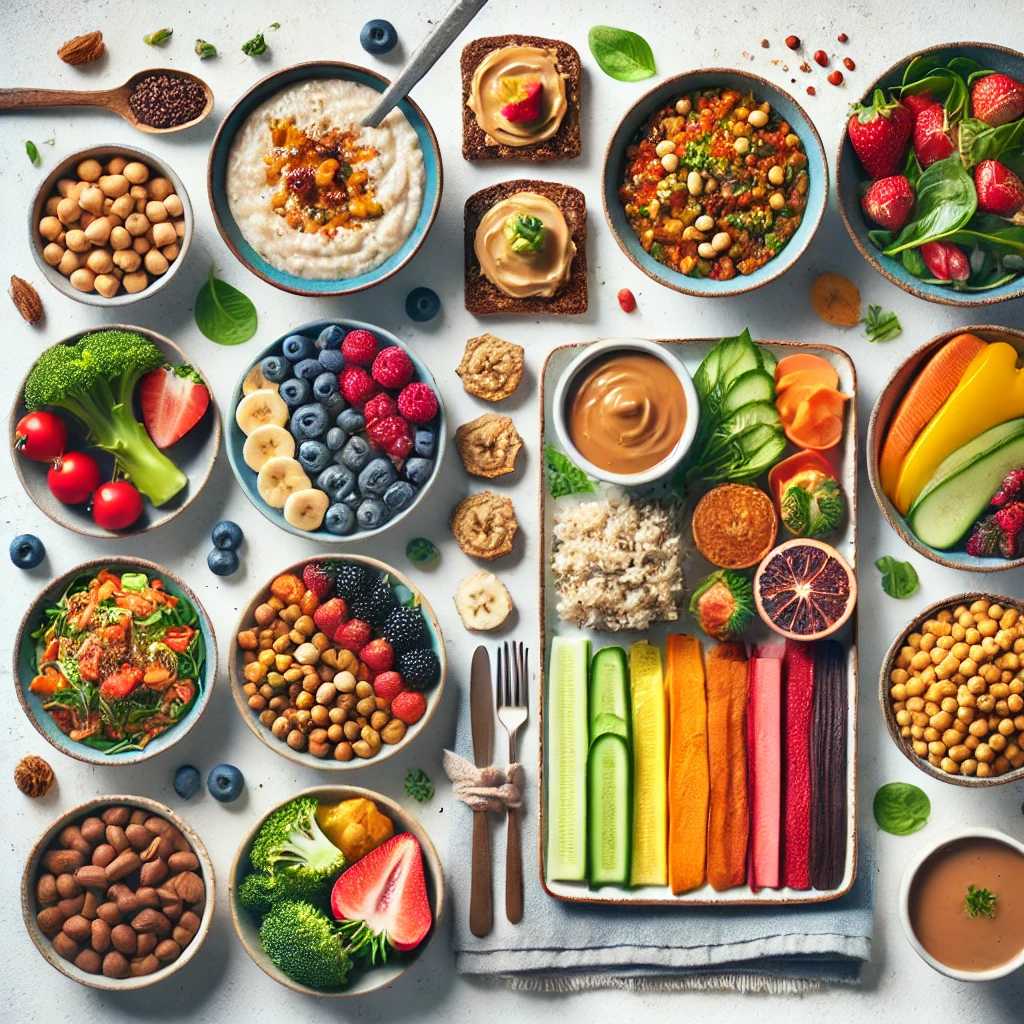
Here’s how you can enjoy carbs while staying healthy:
Breakfast: Opt for oatmeal with fresh fruit or a whole-grain toast with peanut butter.
Lunch: Enjoy brown rice or quinoa with vegetables and a lean protein source.
Snacks: Choose fruits, nuts, or roasted chickpeas.
Dinner: Include a small portion of whole grains like roti, along with lentils and vegetables.
Conclusion
Carbohydrates are far from being your enemy. They are a vital component of a balanced diet, offering energy, essential nutrients, and numerous health benefits. The key is to focus on unprocessed, nutrient-dense carbs while limiting refined and processed options.
By making smart choices and including carbs in moderation, you can enjoy their benefits without compromising your health.




Pingback: FOODS RICH IN ANTIOXIDANTS -THE KNOWLEDGE LOOM