
“Explore why protein powder is often recommended for weight loss, muscle gain, and health. Understand its benefits, potential side effects, and the debate around its use. Learn about the various types of protein supplements, the ICMR’s warnings, and tips for making informed decisions on incorporating protein powder into your diet.”
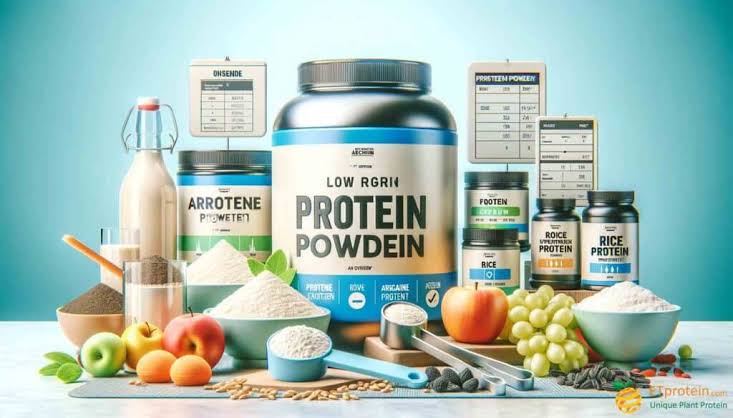
“Protein powder is often touted as a key to weight management and healthy aging, but is it really the ultimate answer? Despite its popularity among bodybuilders and general consumers, experts—including doctors and Ayurvedacharyas—frequently caution against over-reliance.
With the protein powder market growing rapidly, it’s essential to weigh the benefits against potential risks. Understanding that protein powders are not a one-size-fits-all solution can help in making informed decisions about their use.
A balanced approach to health includes considering various factors beyond just supplements. Exploring a range of strategies for wellness is crucial before adopting any advice solely based on protein powder.”
WHAT ARE PROTEIN SUPPLEMENTS ?
Protein supplements include products like protein powder, protein shake and protein bar. The most popular among these are protein powders. Although, nowadays protein made from pea is also available in the market, but the most popular ones are whey protein and soya protein. , These contain huge amounts of protein. Usually 100 grams of protein powder contains 70 grams or more of protein. In this way, a lot of protein can be obtained by taking it in small quantities.

SHOULD I TAKE PROTEIN POWDER OR NOT?
The answer to whether you should take protein powder varies based on individual needs. For bodybuilders, protein powder can be beneficial when used cautiously. However, if your goal is general health, there’s no need for it. Women looking to lose weight might consider using it for a short period, but long-term use isn’t recommended. It’s important not to replace real food with protein powder, as this can be dangerous. Protein supplements shouldn’t become a daily staple. Instead, maintaining health through regular exercise and a balanced diet is key. The needs of professional bodybuilders are different and may require specific supplementation.
ICMR’s WARNING
The Indian Medical Council of Research (ICMR) has recently issued a special instruction book regarding food, warning that the regular use of protein supplements can be detrimental to health. According to ICMR research, protein powders often contain added non-calorie sweeteners and artificial flavoring chemicals, which can be harmful. These supplements also have high acid content, potentially increasing the risk of certain non-communicable diseases.
UNDERSTAND THE NEED FOR PROTEIN
Protein needs vary based on age, gender, and physical activity levels. Generally, an average man should consume 56 grams of protein daily, while a woman should aim for 46 grams.
For men engaging in significant exercise or labor, the requirement is approximately one gram of protein per kilogram of body weight—so an 80 kg man needs 80 grams of protein. In bodybuilding, the need can increase to 2.5 grams per kilogram for men and up to 1.5 grams for women. Typically, women should consume 0.75 grams of protein per kilogram of body weight, especially those who are physically active.
These protein requirements can be met through regular consumption of foods like milk, curd, cheese, pulses, soybean, gram, and other dairy products.
65% MISLABELING OF PROTEINS
“Recent research from Rajagiri Hospital in Kerala reveals that 70% of protein powder packages in India have incorrect information. Testing 36 supplements, the study found 14% with harmful fungal aflatoxins and 8% with pesticide residues, raising serious health concerns.”
POTENTIAL EFFECTS OF EXCESSIVE PROTEIN POWDER CONSUMPTION:
•MEN’S FERTILITY: Excessive intake of whey and soy protein may increase estrogen levels in men, potentially reducing both sperm quantity and quality, according to a study in the Journal of Reproductive Biomedicine Online.
•KIDNEY STONE: There is ongoing debate about whether whey protein contributes to kidney stones, but it may exacerbate issues for those who already have them. Drinking plenty of water can help mitigate this risk.
•LUMP FORMATION: High consumption of whey protein can lead to lumps in the body. While this is not the only cause, those with a family history of related conditions should exercise caution.
•INCREASED BLOOD ACIDITY: A high-protein, low-carb diet can cause ketones to accumulate in the blood, particularly if fat levels are low, potentially leading to increased acidity.
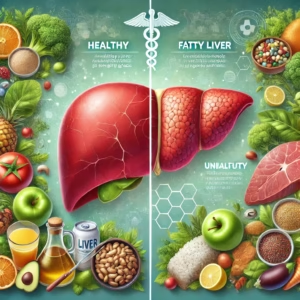
•LIVER STRAIN: Concentrated protein sources like powders can place significant stress on the liver, as it works harder to process them compared to protein from whole foods. Prolonged use can weaken liver function, so taking breaks is advisable.
•OBESITY: Protein powders are calorie-dense, and excessive intake can lead to weight gain, particularly if combined with inadequate exercise or a poor diet. Older adults may be particularly susceptible to weight gain due to slowed metabolism.
•OSTEOPOROSIS: Long-term use of protein powders may reduce bone mineral density, increasing the risk of osteoporosis.
DOCTORS CAN ADVISE CONSUMPTION PROTIEN POWDER IN THESE SITUATIONS:
•When there is difficulty in eating or the appetite is greatly reduced due to illness.
•Had any surgery and the wounds are not healing. Needed to repair cells.
•In such physical conditions like burning etc., the body needs additional protein
Overall, doctors recommend taking protein powder only when they feel that you are not meeting your protein needs in the usual way.




https://iedificatin.in/blog/
Pingback: VEGAN FOOD RECIPE: COCONUT RABDI ROLLS AND PANJEERI - The knowledge loom