
The Unique Flavours of INDIGENOUS RICE VARIETIES .
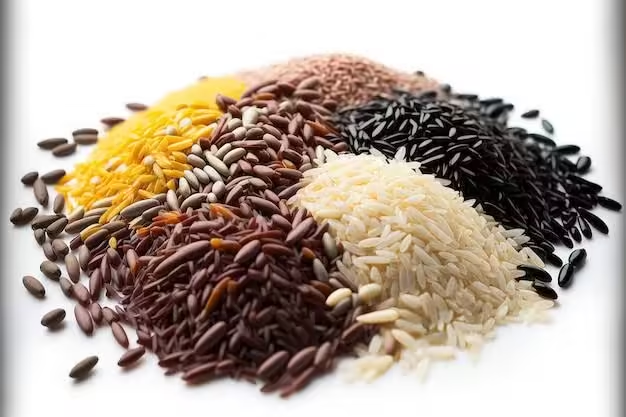
“The name of the eater is written on every grain!” Yet, many overlook the truth: “The taste resides in every grain!” The diversity and richness of India’s indigenous rice varieties far surpass the famed Basmati.
Each region in India has its own unique rice variety, each with distinct flavours, textures, and nutritional benefits that have been cherished for generations. From the aromatic Govind Bhog of Bengal to the rich, medicinal Njavara rice of Kerala, these varieties tell a story of cultural heritage and biodiversity that goes beyond the long, slender grains of Basmati.
The emphasis on Basmati has overshadowed these local treasures, but as we delve deeper into the culinary landscapes of India, it becomes evident that there is a vast world of rice waiting to be explored.
The flavours of these indigenous varieties are not just about taste but are intertwined with local traditions, farming practices, and sustainable agriculture. They represent the true essence of rice—an essence that is as diverse and rich as the country itself.
In celebrating these indigenous rice varieties, we also recognise the efforts of farmers and communities who have preserved these grains through generations, ensuring that their unique qualities continue to thrive in an ever-globalising world.
It is time to shine a spotlight on these lesser-known gems and appreciate the incredible biodiversity they bring to our plates.
BASMATI VS. LOCAL VARIETIES: A FLAVOURFUL DEBATE
When discussing Indian Basmati, the conversation inevitably turns to biodiversity. In many regions, local rice grains are considered far tastier. For instance, Bengalis revere Govind Bhog rice, which holds a special place in dishes like Payesh, Sonar Moong Dal, and Basanti Pulao.
REGIONAL DELICACIES: CELEBRATING LOCAL FLAVOURS
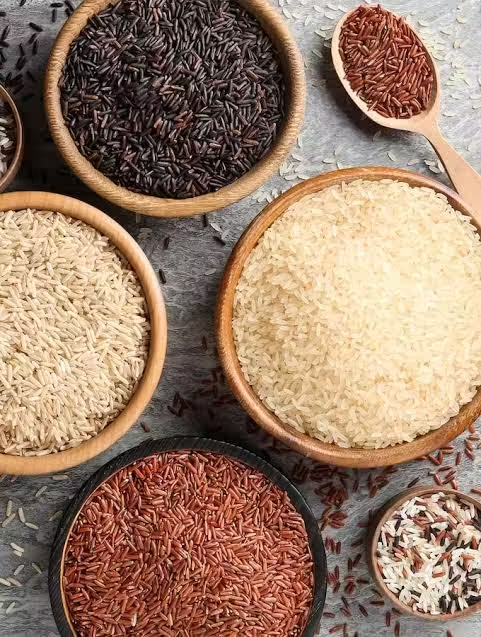
• Bihar and Purvanchal: The glory of black cumin rice is unparalleled.
• Chhattisgarh: Though many varieties exist, Durvaraj reigns supreme.
• Odisha: In tribal areas, turmeric paddy and Annada rice are celebrated for their flavors and nutritional benefits. One variety, Mapili, is so cherished it was traditionally reserved for feeding sons-in-law.
• Himachal Pradesh and Uttarakhand: These regions produce a similar red rice to Mapili. In Kumaon, pink-colored rice, despite its small grains, is aromatic and locally referred to as Basmati.
THE MYTH OF BASMATI: MORE THAN JUST LONG GRAINS
There’s a significant difference between the appearance and character of rice. Long, separate grains don’t necessarily equate to deliciousness. The myth of Basmati’s superiority in dishes like Biryani is often attributed to the rich spices and ingredients used, rather than the rice itself.
BIODIVERSITY AT RISK: THE BASMATI EFFECT
As Basmati’s popularity soared, the biodiversity of other rice varieties began to decline. Tilak Chandan, once thriving in Uttar Pradesh’s Terai, nearly vanished. Thanks to efforts by Pant Nagar Agricultural University and enterprising farmers, it has seen a resurgence and is now being exported.
SPOTLIGHT ON FORGOTTEN VARIETIES
• Kerala: The state is home to the flavourful Njavara rice, known for its medicinal properties.
• Maharashtra: Ambemohar rice, with its distinct mango blossom aroma, is a favorite for making traditional dishes.
• West Bengal: Apart from Govind Bhog, the state also celebrates the aromatic Kalonunia rice.
THE NUTRITIONAL EDGE: HEALTH BENEFITS OF INDIGENOUS RICE
Many indigenous rice varieties are not only delicious but also more nutritious. For example, red rice varieties are rich in antioxidants and minerals. Black rice, known as forbidden rice, is high in fiber and protein, making it a healthy choice for modern diets.
REVIVING TRADITIONS: THE ROLE OF FARMERS AND SCIENTISTS
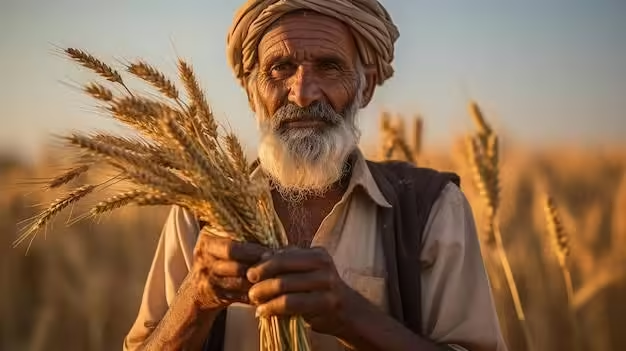
The revival of indigenous rice varieties is a collaborative effort between farmers and scientists. Initiatives to preserve and promote these varieties are crucial for maintaining agricultural biodiversity. Local festivals and markets often showcase these unique grains, celebrating their heritage and encouraging their consumption.
EMBRACING DIVERSITY IN EVERY GRAIN
Basmati does not hold a monopoly on taste. Each rice variety has its unique flavor and texture. It’s time we appreciate and preserve the rich biodiversity of our indigenous rice varieties. By doing so, we not only celebrate our culinary heritage but also support sustainable farming practices.





Pingback: VEGAN RECIPES FOR GANESH CHATURTHI - THE KNOWLEDGE LOOM