
Discover the essential differences between FAT LOSS and WEIGHT LOSS, and learn how to achieve true health with our comprehensive guide. Understand key indicators of fat loss, metabolic fitness, and the role of caffeine in maintaining quality sleep for effective fat reduction.
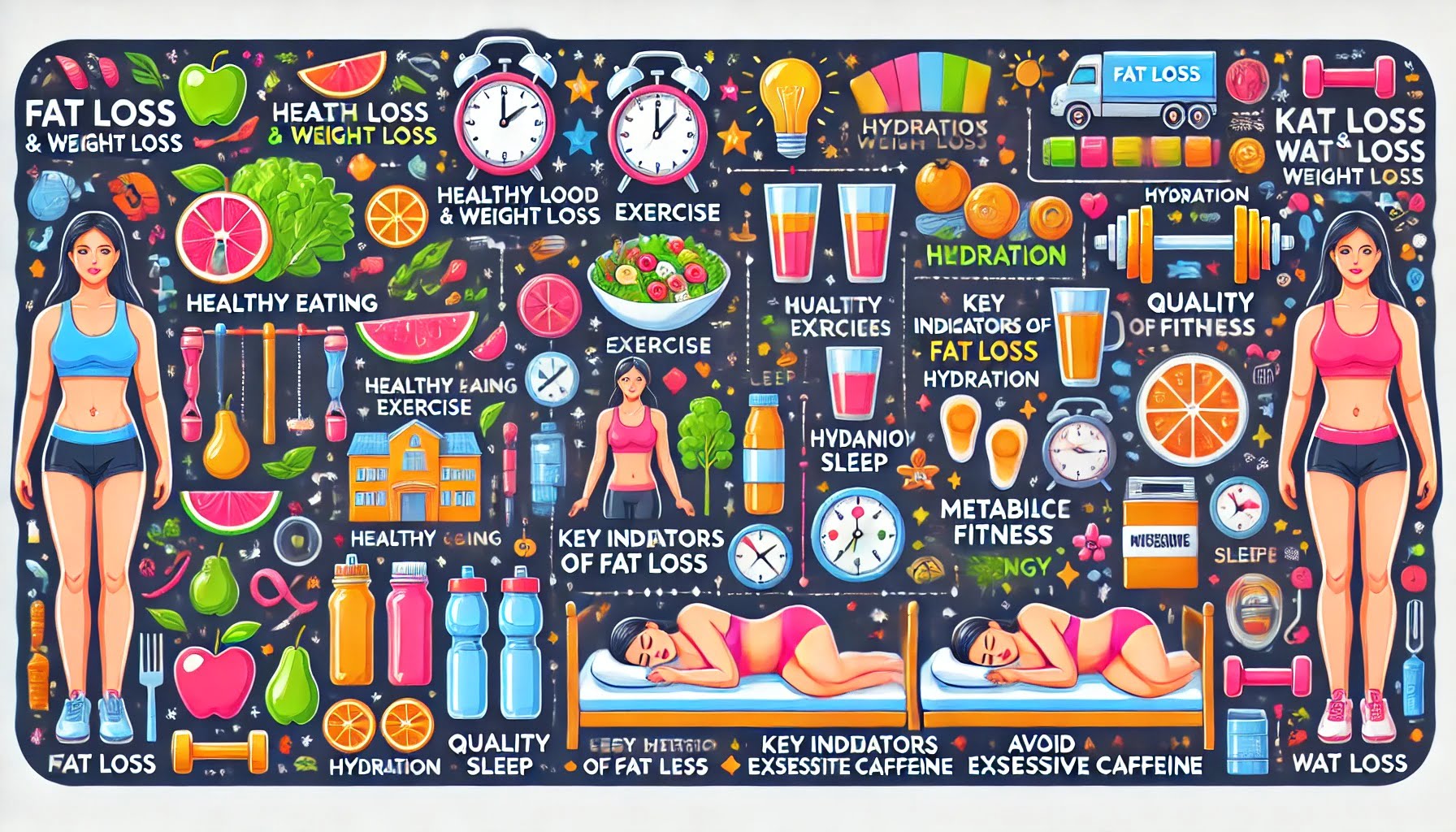
Feeling hungry as soon as you wake up is a positive sign! Many individuals aim to lose weight (FAT LOSS) to alleviate knee or back pain, high blood pressure, diabetes, or other health issues. However, it’s important to understand that not only overweight individuals face these problems. Fitness and health cannot be judged by body weight alone. If the goal is to be truly healthy, the focus should be on (FAT LOSS)losing fat, not just weight.
HOW TO KNOW IF YOU ARE LOSING FAT, NOT JUST WEIGHT
KEY INDICATORS OF FAT LOSS
1. Nail Growth: Faster-growing nails can be a sign of improved metabolism and better nutritional intake.
2. Shiny Hair: Healthier, shinier hair indicates that your body is receiving and utilizing nutrients effectively.
3. Morning Hunger: Feeling hungry upon waking suggests your metabolism is working efficiently overnight.
4. Increased Energy: Not feeling tired or bored while jogging or running in the morning shows your body is burning fat for energy, not muscle.
UNDERSTANDING METABOLIC FITNESS

•Fat Outside, Thin Inside (FOTI)
People who may not see significant changes on the scale but live a healthy and disciplined life are termed ‘metabolically fit’ or FOTI (Fat Outside, Thin Inside). This means they might appear overweight but are lean and healthy on the inside, reducing their risk of lifestyle-related diseases like cardiac arrest.
•Thin Outside, Fat Inside (TOFI)
Conversely, TOFI (Thin Outside, Fat Inside) refers to individuals who may look slim but have internal fat deposits, increasing their risk of heart diseases and diabetes.
This highlights that merely losing weight doesn’t automatically reduce disease risk. Unhealthy weight loss methods like starving, excessive exercise, surgery, or pills can increase the risk of various health issues.
THE ROLE OF CAFFEINE IN FAT LOSS
Importance of Quality Sleep
One of the most crucial aspects of fat loss is sleep quality, and caffeine plays a significant role in disrupting it. Poor sleep can hinder fat reduction. Here are some tips to improve sleep and aid fat loss:
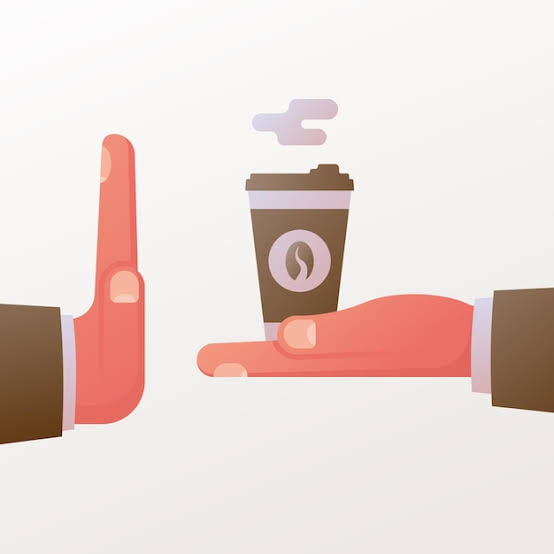
1. Avoid Late Caffeine: Do not consume tea or coffee after 3 or 4 in the afternoon.
2. Watch Out for Hidden Caffeine: Energy drinks often contain hidden caffeine, which is especially harmful to teenagers as it affects bone mineral density and hormonal health.
3. Check Other Sources: Green tea, chocolates (even dark chocolates), painkillers, and weight loss pills also contain caffeine, which can disrupt natural sleep and hinder fat loss efforts.
HEALTHY EATING FOR FAT LOSS
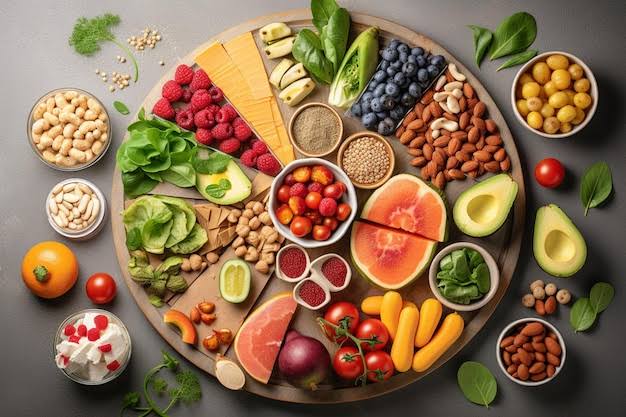
•Balanced Diet
A balanced diet is crucial for effective fat loss. Ensure your meals include a mix of protein, healthy fats, and carbohydrates. This balance helps maintain energy levels, supports muscle growth, and aids in overall fat reduction.
•Protein Intake
Increasing your protein intake can boost metabolism, reduce appetite, and promote fat loss. Include plant-based proteins like beans and lentils in your diet.
•Fiber-Rich Foods
Consuming fiber-rich foods like fruits, vegetables, whole grains, and legumes can help you feel fuller longer, reducing overall calorie intake and aiding in fat loss.
EXERCISE AND FAT LOSS
•Strength Training
Incorporate strength training into your exercise routine. Building muscle helps increase your resting metabolic rate, meaning you burn more calories even at rest.
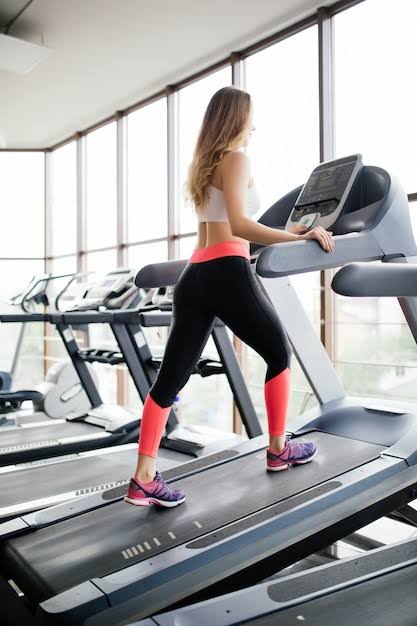
•Cardiovascular Exercise
Combine strength training with cardiovascular exercises like running, cycling, or swimming to maximize fat loss. Cardio helps burn calories and improves cardiovascular health.
•Consistency is Key
Consistency in exercise is crucial. Aim for at least 150 minutes of moderate-intensity exercise or 75 minutes of high-intensity exercise per week, along with muscle-strengthening activities on two or more days a week.
HYDRATION AND FAT LOSS
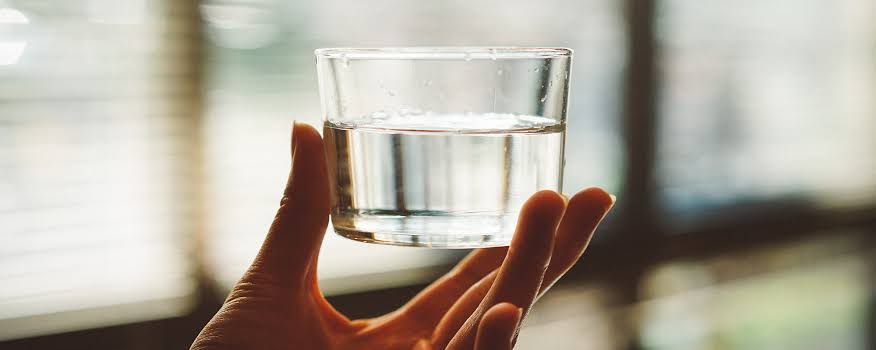
•Importance of Water
Staying hydrated is essential for fat loss. Water helps maintain your body’s balance, supports digestion, and aids in the removal of waste products.
•Drinking Habits
Aim to drink at least 8 glasses of water a day. Drinking water before meals can also help reduce calorie intake by making you feel fuller.
CONCLUSION
Understanding the difference between fat loss and weight loss is crucial for achieving true health.
By focusing on healthy lifestyle habits, maintaining a balanced diet, staying hydrated, and paying attention to the signs of fat loss, you can ensure that you are on the right path to metabolic fitness.
Remember, quality sleep, avoiding excessive caffeine, and consistent exercise are essential steps towards successful fat reduction. Prioritize overall health and well-being for long-term success.
CALL TO ACTION
If you found this article helpful, share it with your friends and family! For more tips on health FOLLOW THE KNOWLEDGE LOOM.





Pingback: Junk Food: The Hidden Dangers to Your Health