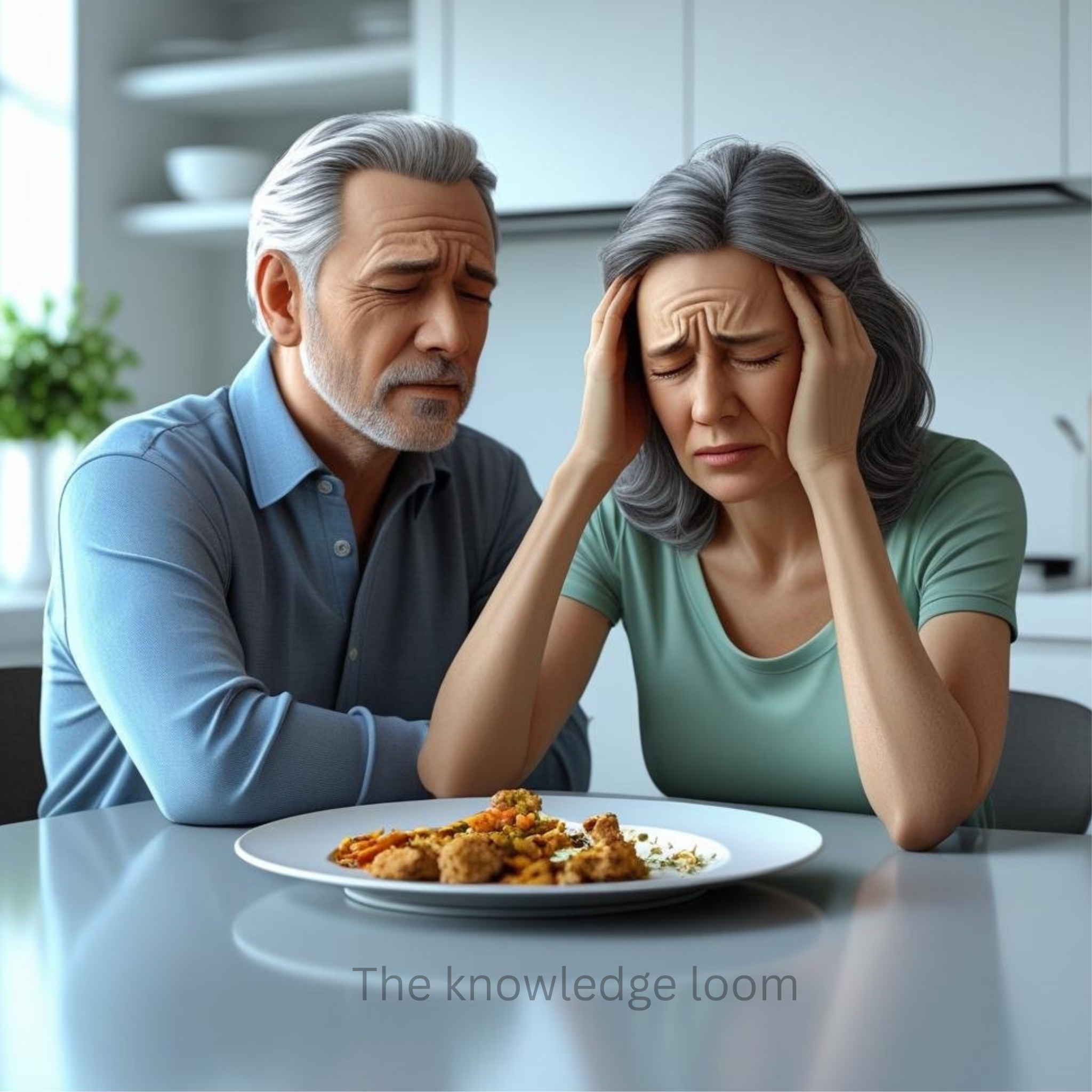
How to Manage Low Blood Pressure Naturally (Including Postprandial Hypotension)
Low blood pressure, or hypotension, is becoming increasingly common, especially among young adults. With modern lifestyles filled with mental stress, lack of physical activity, irregular sleep cycles, and poor dietary choices, it’s no surprise that more and more people are struggling with this condition.
While we often hear about high blood pressure as a health risk, low blood pressure can also cause serious discomfort, such as dizziness, extreme fatigue, blurred vision, nausea, and even fainting. A healthy blood pressure reading is typically around 120/80 mmHg, but if it drops to around 90/60 mmHg, it’s considered low and may require attention.
Many young people today spend most of their time indoors, sitting, watching screens, and not moving enough. This sedentary lifestyle contributes to both physical weakness and emotional dullness, often associated with a Tamasik state of mind — a state marked by lethargy, inactivity, and disinterest. When the mind becomes sluggish, the body follows suit.
What is Postprandial Hypotension?
One specific form of low blood pressure that needs special attention is postprandial hypotension, which means a drop in blood pressure after eating a meal. This happens because, after we eat, blood flows to the digestive system to aid digestion. In some people especially those who are older, diabetic, or have autonomic nervous system issues the body fails to compensate for this shift, causing their blood pressure to drop. The symptoms can range from lightheadedness and blurred vision to actual fainting shortly after meals.
This type of hypotension is particularly challenging because it can interfere with daily functioning, making even mealtime a source of anxiety. But like general hypotension, it too can be managed with the right approach.
The good news is that both general hypotension and postprandial hypotension can be managed effectively through natural remedies, conscious lifestyle changes, and a balanced diet. Below are some easy and powerful solutions to help you restore your vitality and keep your blood pressure stable.
1. Drink Mulethi (Licorice) Tea
Mulethi or licorice is a powerful herb that has been traditionally used in Ayurveda to help manage low blood pressure. It contains compounds that inhibit enzymes responsible for breaking down cortisol a hormone that helps maintain blood pressure.
To make mulethi tea, boil one teaspoon of mulethi powder or a small piece of dried licorice root in a cup of water for 10-15 minutes. Let it cool slightly, strain, and then drink it. This tea, when taken regularly, can help restore your energy and normalize your BP.
2. Chew Tulsi (Holy Basil) Leaves
Tulsi is a sacred plant in Indian households, but it is also a treasure trove of healing. It contains eugenol, a natural antioxidant that helps elevate low blood pressure levels. Tulsi leaves are also rich in potassium, magnesium, vitamin C, and vitamin B5, all of which support cardiovascular health.
Every morning, chew 4–5 fresh tulsi leaves or take a spoonful of tulsi extract with a teaspoon of honey on an empty stomach. This helps improve circulation and balances your blood pressure levels.
3. Increase Your Folate Intake
A deficiency in folate (vitamin B9) can lead to anemia, fatigue, irritability, and ultimately low blood pressure. Folate plays a critical role in producing red blood cells and improving blood flow.
To ensure your body gets enough folate, include plenty of green leafy vegetables like spinach, broccoli, and brussels sprouts. You should also eat peas, citrus fruits like oranges and lemons, and folate-rich fruits like bananas and melons. These natural foods not only support healthy BP but also improve digestion which helps manage post-meal drops in pressure.
4. Mindfully Increase Your Salt Intake
Unlike high blood pressure patients who must restrict salt, people with low BP often suffer from sodium deficiency. A modest increase in salt can help regulate blood pressure, but this must be done carefully.
Choose healthier salts like Himalayan pink salt or sea salt over refined table salt. You can add a pinch to your meals, sprinkle over salads, or dissolve some in a glass of lemon water with a little honey to drink during a low-BP episode. Avoid overuse, as excess sodium can cause water retention and high BP in the long run.
5. Avoid Long Hot Showers
Long exposure to hot water can cause blood vessels to dilate and reduce blood pressure even further, making you feel lightheaded or faint. Prefer lukewarm showers, and limit the bathing time. If you feel weak or dizzy, keep a stool in the bathroom and sit while bathing to avoid falling.
6. Stay Hydrated – Drink More Water
Dehydration is one of the leading causes of low BP. Water boosts blood volume and helps prevent drops in pressure, especially in postprandial hypotension, where fluid balance is key.
Aim to drink 8 to 10 glasses of water per day, spread evenly throughout the day. Always drink water slowly and while sitting. Gulping water while standing or rushing can disturb your body’s natural rhythm.
7. Avoid Sudden Movements
One of the key tips to prevent dizziness or fainting spells is to avoid quick changes in posture. Standing up too fast from a lying or sitting position can cause blood to pool in your legs, leading to a sudden drop in pressure.
If you’re lying down, first turn to your side, use your hand to push yourself up slowly, and take a few deep breaths before standing. Always get up gradually this gives your cardiovascular system time to adjust.
8. Spend Time in Nature and Stay Active
Being cooped up inside for long hours is a recipe for both low mood and low blood pressure. Step out into sunlight and fresh air every day. A morning walk, breathing in natural surroundings, can do wonders for your mental clarity and blood circulation.
Incorporate yoga, simple stretches, breathing exercises (pranayama), and light asanas into your daily routine. Activities like gardening, drawing, writing, or dancing also keep your mind and body engaged and promote natural healing.
9. Special Tips for Managing Postprandial Hypotension

If you feel weak or dizzy after meals, follow these tips to manage post-meal blood pressure drops:
- Eat smaller, more frequent meals instead of 2–3 large ones.
- Avoid high-carbohydrate meals, as they cause rapid insulin spikes and sudden blood pressure drops.
- Sit or lie down for 20–30 minutes after meals don’t walk immediately.
- Drink a glass of water 15–20 minutes before your meal to reduce the risk of postprandial hypotension.
- Include protein-rich and fiber-rich foods with every meal to slow digestion and prevent sharp drops in BP.
Also, avoid consuming alcohol around mealtime, as it may worsen symptoms. Adding gentle activity like walking about an hour after eating once symptoms settle can help regulate your digestion and BP long-term.
Sample Diet Plan for People with Low BP (Including Postprandial Hypotension)
A nutritious day can begin with a glass of lukewarm water followed by tulsi leaves with honey.
For breakfast, opt for a small bowl of oatmeal topped with bananas and pumpkin seeds, or a slice of whole grain toast with peanut butter . Avoid sugary cereals.
Mid-morning, have a glass of fresh lemon water with a pinch of salt, or sip mulethi tea.
Lunch should be light but rich in nutrients include steamed broccoli, spinach sabzi, a portion of dal, and a small bowl of curd with a whole grain chapati. Avoid heavy or spicy curries that cause gastric stress. Sit for a while after eating.
A mid-afternoon snack could be a few nuts, dates, or a fruit like papaya or orange. For dinner, keep it simple: a bowl of vegetable soup, mixed salad with sea salt, and khichdi or a millet-based dish. Don’t forget to stay hydrated throughout the day by sipping water slowly.
Before bedtime, drink a cup of warm water with a pinch of turmeric or a light herbal tea to keep circulation smooth overnight.
Low blood pressure — especially when it strikes silently can deeply affect the quality of your life. But with simple Ayurvedic remedies, natural herbs, daily activity, mental engagement, and diet, you can reclaim your strength and stability.
Always listen to your body. It communicates with symptoms long before diseases appear. A foggy mind, frequent fatigue, or weakness after eating are all early signals. Pay attention, act early, and nourish your body and mind together.
An inactive and sluggish mind can contribute to low BP. Keep learning, reading, writing, and exploring. An active routine, especially in the early morning, combined with physical activity, will help you stay energized and emotionally uplifted.
Remember, health is not just about treating symptoms it’s about building a lifestyle where your body, mind, and energy stay balanced.
For personalized diet guidance and tips, visit our website: The Knowledge loom .