
Understanding Functional Foods and Nutraceuticals
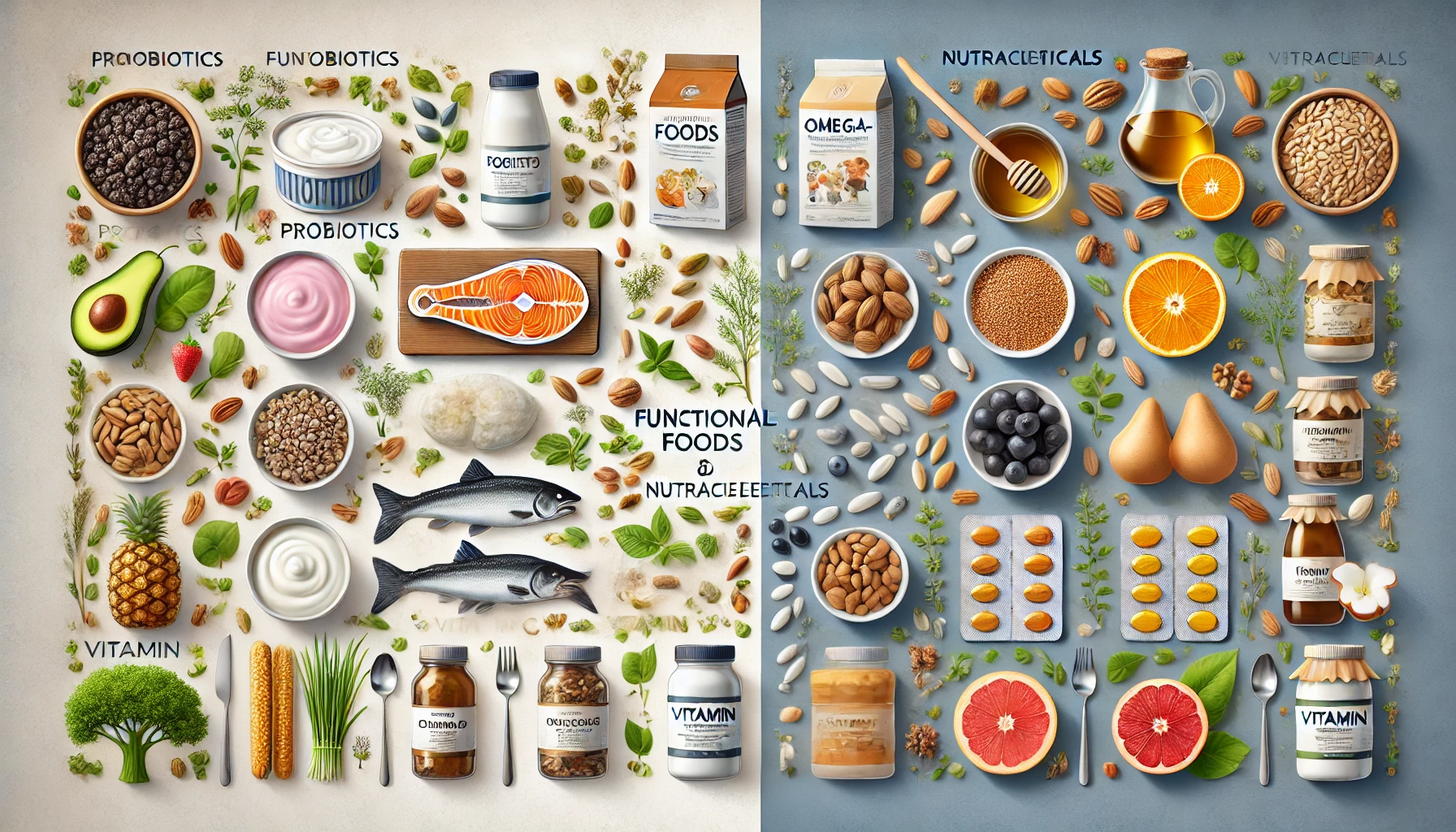
Functional foods and nutraceuticals have gained popularity in recent years due to their potential health benefits. These products are often marketed as a way to improve health, prevent disease, and enhance overall well-being.
However, like any supplement or medication, functional foods and nutraceuticals may have side effects that need to be considered. In this article, we’ll explore the benefits and potential side effects of functional foods and nutraceuticals.
What Are Functional Foods?

Functional foods are foods that provide health benefits beyond basic nutrition. These foods contain bioactive compounds that can affect the body in various ways.
For example, some functional foods may help to lower cholesterol levels, improve digestion, or reduce inflammation. Some common examples of functional foods include:
Probiotics
Probiotics are live bacteria found in some yogurts, kefir, and other fermented foods. Probiotics can help to improve digestion and boost the immune system by maintaining a healthy balance of gut bacteria. Regular consumption of probiotic-rich foods can lead to improved gut health and reduced gastrointestinal issues.
Omega-3 Fatty Acids
Omega-3 fatty acids are found in fatty fish such as salmon, as well as in flax seeds and walnuts. These essential fats play a crucial role in brain function, and heart health, and reducing inflammation.
Omega-3s are known to lower the risk of heart disease, support cognitive function, and reduce symptoms of depression.
Fiber
Fiber is found in fruits, vegetables, and whole grains. Dietary fiber is essential for maintaining healthy digestion and can help reduce the risk of chronic diseases like heart disease, diabetes, and certain types of cancer. High-fiber diets are also associated with better weight management and lower cholesterol levels.
What Are Nutraceuticals?
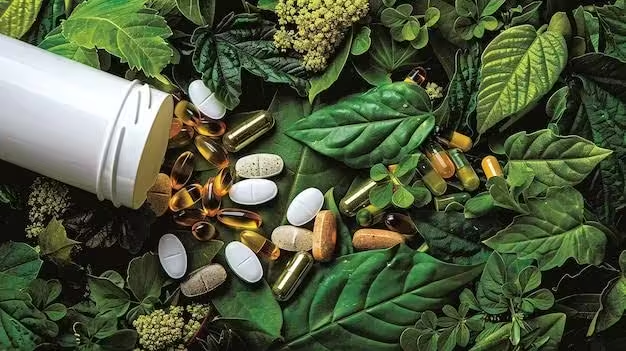
Nutraceuticals are supplements that contain bioactive compounds with potential health benefits. They are often marketed as a way to improve specific health conditions or enhance overall well-being. Some common examples of nutraceuticals include:
Herbal Supplements
Herbal supplements contain extracts from plants such as ginseng, echinacea, and St. John’s Wort. These supplements are often used to improve mood, reduce anxiety, or boost the immune system.
Herbal supplements can provide natural alternatives to conventional medications for various health issues.
Vitamins and Minerals
Supplements containing essential vitamins and minerals such as vitamin C, vitamin D, and calcium are common nutraceuticals. These are often used to prevent nutrient deficiencies and support overall health. For example, vitamin D is crucial for bone health, while vitamin C supports immune function.
Antioxidants
Antioxidants like resveratrol, found in grapes and berries, and coenzyme Q10, found in meat and fish, are popular nutraceuticals. Antioxidants help to protect the body from oxidative stress, which can damage cells and contribute to aging and chronic diseases.
Benefits of Functional Foods and Nutraceuticals

Functional foods and nutraceuticals have been extensively studied for their potential health benefits. Some of these benefits include:
Reduced Risk of Chronic Disease
Many functional foods and nutraceuticals have been shown to reduce the risk of chronic diseases such as heart disease, diabetes, and certain types of cancer. For instance, omega-3 fatty acids can reduce inflammation, lower blood pressure, and improve lipid profiles, thereby lowering the risk of cardiovascular diseases.
Improved Immune Function
Some functional foods and nutraceuticals can help to boost the immune system, helping to prevent infections and other illnesses. Probiotics, for example, enhance gut health, which is closely linked to immune function. Additionally, vitamins like vitamin C and E are known to strengthen immune defence mechanisms.
Improved Digestive Health
Certain functional foods and nutraceuticals can improve digestion, reduce inflammation in the gut, and prevent digestive disorders. Probiotic-rich foods can alleviate symptoms of irritable bowel syndrome (IBS) and inflammatory bowel disease (IBD), while high-fiber foods promote regular bowel movements and prevent constipation.
Enhanced Mood and Cognitive Function
Some nutraceuticals, such as omega-3 fatty acids and ginseng, have been shown to improve mood and cognitive function. Omega-3 fatty acids are crucial for brain health and can help manage depression and anxiety. Ginseng has been linked to improved mental performance and reduced fatigue.
Weight Management
Functional foods and nutraceuticals can aid in weight management by promoting satiety and enhancing metabolic processes. For example, fiber-rich foods increase feelings of fullness, reducing overall calorie intake. Green tea extract, a popular nutraceutical, can boost metabolism and promote fat burning.
Side Effects of Functional Foods and Nutraceuticals

While functional foods and nutraceuticals offer many potential health benefits, they may also have side effects that need to be considered. Some common side effects include:
Digestive Problems
Some functional foods and nutraceuticals may cause digestive issues such as bloating, gas, and diarrhea. For example, excessive consumption of fiber without adequate hydration can lead to gastrointestinal discomfort.
Similarly, some probiotic supplements can cause temporary digestive disturbances as the body adjusts.
Interactions with Medications
Certain functional foods and nutraceuticals may interact with medications, leading to adverse effects. For instance, St. John’s Wort, a common herbal supplement, can interfere with the effectiveness of antidepressants and birth control pills.
It is crucial to consult with a healthcare provider before combining supplements with prescription medications.
Allergic Reactions
Some people may experience allergic reactions to certain functional foods or nutraceuticals. Common allergens include soy, nuts, and shellfish, which are often ingredients in these products. Allergic reactions can range from mild to severe, necessitating careful reading of labels and awareness of personal allergens.
Vitamin and Mineral Toxicity
Excessive intake of some vitamins and minerals, such as vitamin A and iron, can be harmful. Overconsumption of vitamin A can lead to liver damage and neurological issues, while excessive iron intake can cause gastrointestinal distress and organ damage.
It is important to adhere to recommended dosages and consult healthcare professionals.
Liver Damage
Some herbal supplements, such as kava and comfrey, can cause liver damage if taken in large amounts. These supplements should be used with caution and under the supervision of a healthcare provider to avoid serious health risks.
Blood Thinning
Some functional foods and nutraceuticals, like omega-3 fatty acids and garlic, may have blood-thinning properties, increasing the risk of bleeding. Individuals taking blood-thinning medications should be particularly cautious and seek medical advice before adding these supplements to their regimen.
Hormonal Effects
Some functional foods and nutraceuticals, such as soy and flax seeds, contain phytoestrogens, which may have hormonal effects on the body. These compounds can mimic estrogen and potentially affect hormonal balance, especially in individuals with hormone-sensitive conditions.
Functional foods and nutraceuticals can be a valuable addition to a healthy diet and lifestyle. These products may help to improve health, prevent disease, and enhance overall well-being. However, it’s important to be aware of their potential side effects and use them safely and responsibly.
Not all functional foods and nutraceuticals have been extensively studied, and the long-term effects are not always known. Additionally, the quality and purity of these products can vary greatly, affecting their safety and effectiveness.
If you’re considering taking a functional food or nutraceutical, it’s a good idea to talk to your healthcare provider to determine if it’s right for you and discuss any potential interactions with medications or other supplements.
Incorporating functional foods and nutraceuticals into your diet can offer significant health benefits, but it requires informed decision-making and caution. By understanding both the advantages and potential risks, you can make better choices for your health and well-being.





Pingback: Infant Feeding: Breastfeeding vs. Formula-THE KNOWLEDGE LOOM
Functional foods are becoming such an important part of modern diets, and it’s great to see both the benefits and potential risks being addressed clearly. Striking a balance between natural nutrition and over-dependence is key.
On a lighter note, exploring traditional food cultures in places like Vietnam is a great way to experience functional foods in their most authentic, time-tested forms. Their use of herbs and fresh ingredients is truly inspiring!
Erica, thank you for sharing your perspective! It’s encouraging to see conversations around functional foods expand with such thoughtful input. Highlighting the cultural richness of traditional diets, like those in Vietnam, adds a valuable layer to the discussion. We’re grateful for your engagement!
– Shwet Shikha