
Understanding Cervical Spondylosis and Cervical Pain Management
#Cervical pain
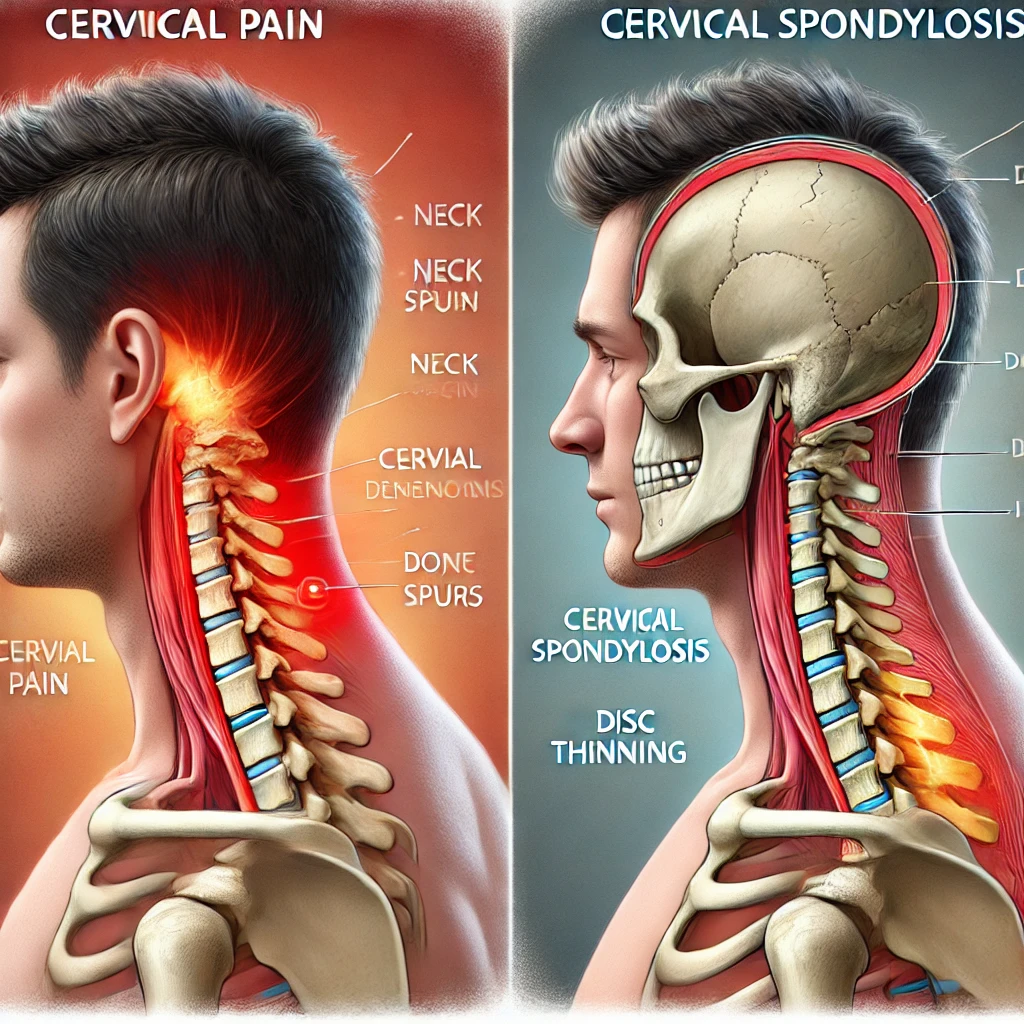
Cervical spondylosis, commonly referred to as arthritis of the neck, is primarily due to age-related wear and tear that affects the spinal discs in your neck. These discs, which serve as shock absorbers between the vertebrae, play a crucial role in maintaining the flexibility of your neck, allowing you to bend and turn it smoothly.
Initially, spinal discs are composed of roughly 80% water, but as we age, they dry out, losing their shock-absorbing capabilities. This dehydration and subsequent shrinkage of the discs lead to less cushioning between the joints, causing the edges of the vertebrae to develop bone spurs or osteophytes.This entire process is termed cervical spondylosis.
It represents the degenerative changes in the neck, including the formation of bone spurs and the degeneration of intervertebral discs. More commonly, it is referred to as osteoarthritis of the neck.
Symptoms and Severity
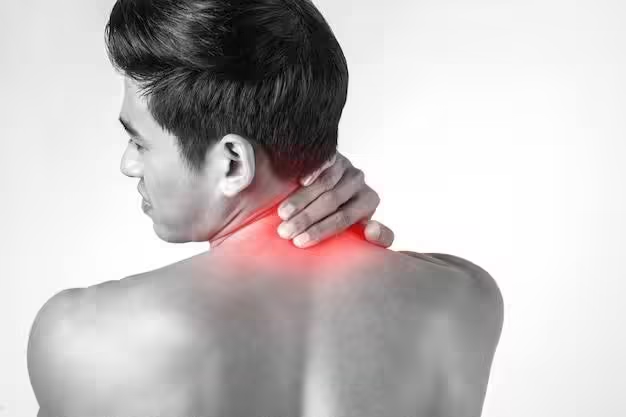
Most individuals with cervical spondylosis experience no symptoms. If symptoms do occur, they usually involve mild neck pain and stiffness. Severe cases can lead to herniated discs, where the tough outer wall of the disc cracks, causing the inner core to bulge.
This bulge can press on the spinal cord and nerve roots, resulting in radiculopathy—pain radiating into the shoulder, arm, or hand, often accompanied by numbness, tingling, and muscle weakness. Spinal stenosis, another consequence of spondylosis, involves the narrowing of spaces within the spine, further compressing nerves.
Mild Symptoms
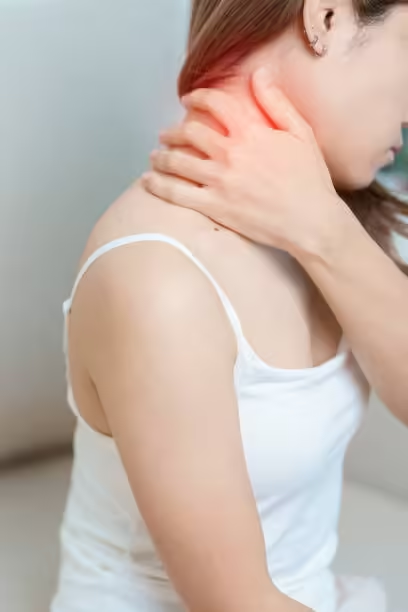
1. Neck Pain and Stiffness: The most common symptoms are mild pain and stiffness in the neck. This discomfort can make it difficult to move the neck, especially after long periods of inactivity.
2. Headaches: Tension in the neck muscles can lead to headaches, often starting at the base of the skull.
3. Reduced Range of Motion: Stiffness and pain can limit the range of motion in the neck, making it difficult to perform everyday activities.
Severe Symptoms
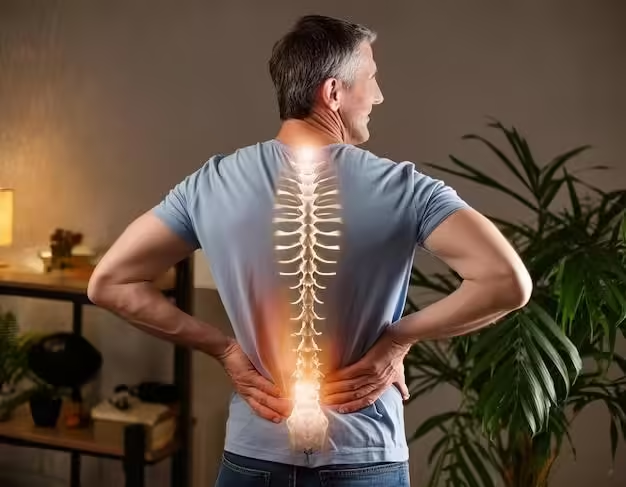
1. Herniated Discs: The spinal discs have two main parts: a soft inner core called the nucleus pulposus and a tough outer wall called the annulus fibrosus. With spondylosis, cracks often appear in this outer wall leading to bulging or herniated discs.
These bulges can press onto the nearby spinal cord and nerve roots, causing significant pain and other symptoms.
2. Radiculopathy: A herniated disc from spondylosis can result in a pinched nerve, causing pain to shoot into the shoulder, arm, or hand. This traveling or radiating pain is called radiculopathy.
It may often cause numbness and tingling (that sensation of pins and needles) in the arms and hands. Over time, there may even be noticeable weakening of the muscles if there’s significant nerve damage.
3. Spinal Stenosis: Another way radiculopathy may come about is through spinal stenosis, which occurs when the areas where the spinal nerves travel start to narrow and become closed off.
Bone spur growth from spondylosis can grow into these canals, leading to blockage and pinched nerves. This will cause the symptoms of radiculopathy mentioned earlier.
Risk Factors
The primary risk factor for cervical spondylosis is aging. However, repetitive neck motions, awkward positioning, strenuous overhead work, previous neck injuries, genetic predisposition, and smoking also increase the risk.
1. Occupational Hazards: Jobs that involve repetitive neck motions, awkward positioning, or strenuous overhead work put more stress on the neck, increasing the likelihood of developing cervical spondylosis.
2. Previous Neck Injuries: Previous injuries to the neck, especially those that were not treated properly, can increase the risk of cervical spondylosis.
3. Genetics: A family history of spondylosis can indicate a stronger genetic predisposition to the condition.
4. Smoking: Smoking has been linked to many spinal conditions, including osteoporosis and degenerative disc disease, increasing the risk of cervical spondylosis.
Preventive Measures and Management
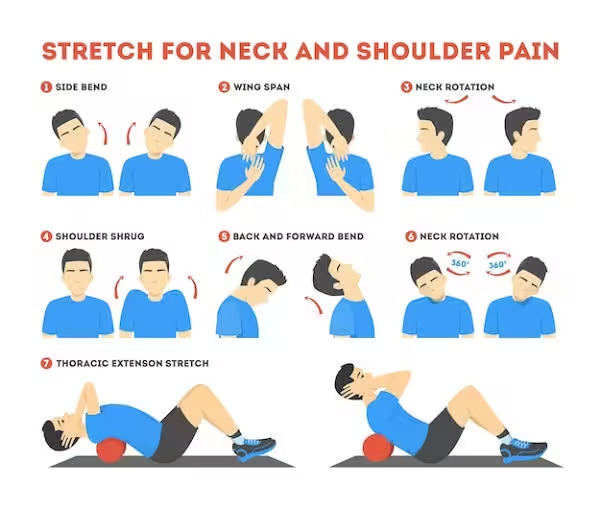
Postural Corrections
• Avoid Looking Down: Most people tend to look down at their screens, causing neck strain. Adjust your screen to eye level and consciously correct your posture with proper awareness.
• Avoid Slouching: Sitting or standing in a slouched position increases neck pressure. Maintain an erect posture with your chin parallel to the ground. Stand tall, sit tall, and walk tall. Occasionally arch your back to release pressure.
• Proper Pillow Use: Ensure your pillow supports your neck and shoulders appropriately. Avoid pillows that are too thin or thick. A proper pillow should extend up to your shoulders when lying straight and support your head when lying on your side.
• Showering: Use a hand-held shower to avoid prolonged neck bending.
Cold and Hot Compress Therapy
• Cold Compress: Apply an ice pack to your neck to reduce swelling and pain.
• Hot Compress: Use a hot water bag to relax muscles and promote blood circulation. Alternate between cold and hot therapy, each for 10-15 minutes, with a few hours gap in between.
Exercises and Stretches
Regular stretching can alleviate symptoms:
1. Rotation Stretch: Turn your chin over your shoulder and hold for 10-15 seconds.
2. Lateral Bend: Move your ear to your shoulder and hold.
3. Flexion Stretch: Lower your chin to your chest and hold.
4. Doorframe Stretch: Use a doorframe to stretch your chest and back muscles.
Yoga and Pranayama
Yoga can be highly effective for managing cervical spondylosis:
• Sukshma Vyayam: Gentle neck warm-up movements.
• Asanas: Practices like Gomukhasana (Cow Face Pose), Supta Vakrasana (Supine Spinal Twist), and Bhujangasana (Cobra Pose) can help strengthen the spine and alleviate discomfort.
• Pranayama: Breathing techniques such as Yogendra Pranayama can calm the nervous system, improve oxygenation, and reduce pain.
Diet and Lifestyle
Diet and lifestyle play a significant role in managing cervical spondylosis:
• Avoid Acidic Foods: Such as coffee, oranges, and colas.
• Healthy Diet: Include leafy greens, walnuts, ginger, garlic, beans, and berries in your diet to reduce inflammation and support spinal health.
• Meditation: Techniques like Savasana (Corpse Pose) and Nispand Bhava can help relax the body and mind, reducing neck stiffness and alleviating pain.
Differences Between Cervical Pain and Cervical Spondylosis
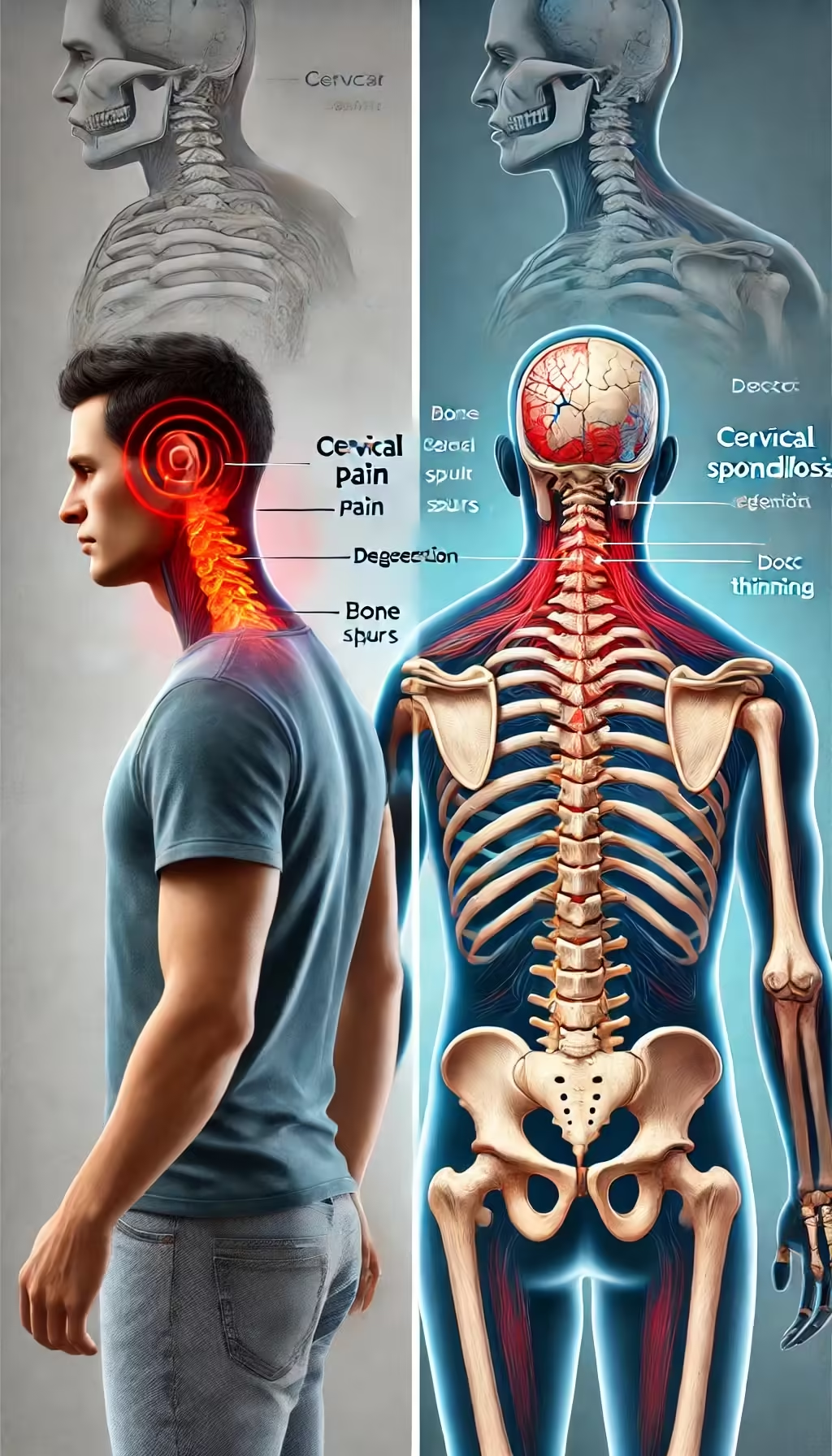
Cervical Pain
• Definition: General discomfort in the neck area.
• Causes: Muscle strain, ligament sprain, whiplash, poor posture, stress, infections, and conditions like fibromyalgia.
• Symptoms: Dull or sharp pain, stiffness, headaches, pain radiating to shoulders or arms, and muscle spasms.
• Treatment: Rest, heat and cold therapy, pain relievers, physical therapy, massage therapy, and ergonomic adjustments.
Cervical Spondylosis
• Definition: Age-related degenerative changes in the cervical spine.
• Causes: Aging, disc dehydration, bone spurs, herniated discs, previous injuries, and genetic factors.
• Symptoms: Chronic neck pain, stiffness, radiating pain (radiculopathy), numbness, tingling, muscle weakness, and headaches.
• Treatment: Medications, physical therapy, chiropractic care, spinal decompression therapy, injections, and possibly surgery.
Understanding the nuances between general cervical pain and cervical spondylosis is crucial for effective management and treatment. Early intervention, lifestyle adjustments, and targeted therapies can significantly improve outcomes and quality of life for individuals experiencing neck-related issues.
Implementing preventive measures, such as maintaining good posture, performing regular neck exercises and stretches, practicing yoga and pranayama, and following a healthy diet can help manage symptoms and prevent the progression of cervical spondylosis.
For those already affected, a combination of conservative treatments and medical interventions can provide significant relief and improve overall neck health.




Pingback: The Importance of Cholesterol in the Body-THE KNOWLEDGE LOOM