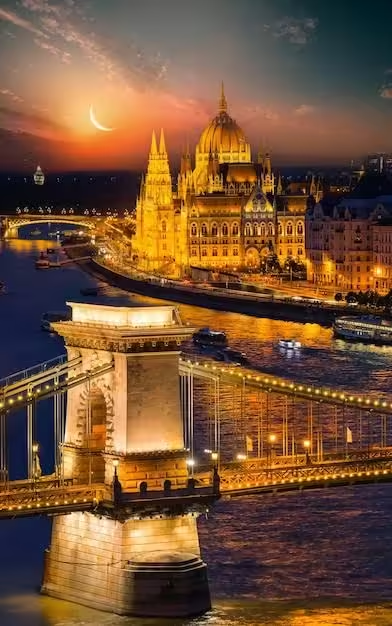
Budapest
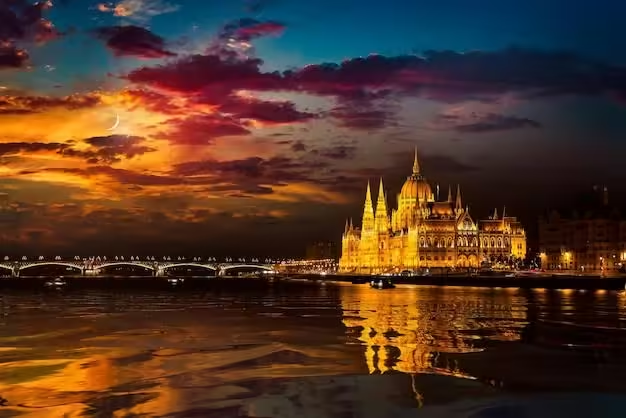
Budapest, the vibrant capital of Hungary, is a city rich in history, culture, and architectural splendour. Nestled on the banks of the Danube River, this enchanting city seamlessly blends its storied past with a dynamic present.
From its majestic parliament building and historic thermal baths to the lively ruin pubs and awe-inspiring castles, Budapest offers an array of experiences that cater to every kind of traveler.
Whether you’re captivated by grandiose architecture, seeking relaxation in world-renowned spas, or looking to immerse yourself in unique local traditions, Budapest promises an unforgettable journey through time and culture.
Here are our top 10 picks for the best things to do in Budapest.
Hungarian Parliament Building
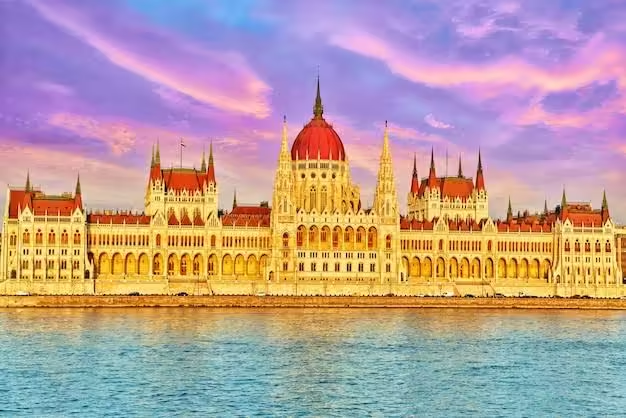
The Hungarian Parliament Building, the largest building in Hungary and the third largest parliament building in the world, is a must-see. Completed in 1902 in the neo-Gothic style, it stands majestically on the banks of the Danube River.
Not only is the architecture impressive, but the building was also an engineering marvel of its time. A unique cooling system involved placing large ice cubes in the basement to cool the building through a ventilation system.
Visitors can join organized tours to admire the intricate details and see the crown jewels. The tours also offer insights into the building’s history, including its role in Hungarian politics and the nation’s turbulent 20th-century history.
Be sure to book tickets online a few days in advance. Nearby, the Danube Promenade and the Shoes on the Danube Bank memorial honor the Jews killed during World War II, providing a poignant reminder of the city’s complex past.
Thermal Baths
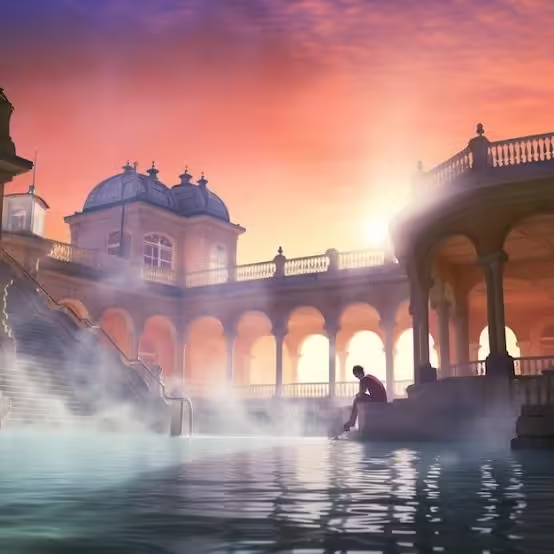
Budapest, known as the City of Spas, boasts numerous thermal springs and baths, a tradition dating back to Roman times and continued during the Turkish occupation. The Széchenyi Thermal Bath, the largest medicinal bath in Europe, is a popular choice.
Its outdoor pools are a delight year-round, offering the therapeutic benefits of the rich thermal springs. The baths are housed in a grand Neo-Baroque palace, adding a touch of elegance to the experience.
Other notable baths include Gellért Baths, known for its Art Nouveau architecture, and Rudas Baths, which retains elements from the 16th-century Ottoman era. Some baths have specific days for men or women only, so it’s worth checking schedules in advance.
The healing properties of the thermal waters are said to alleviate various ailments, making it a popular activity for both tourists and locals. Check our travel guide for more suggestions on where to soak and relax.
Széchenyi Chain Bridge

The Széchenyi Chain Bridge, completed in 1849, was the first permanent bridge to connect Buda and Pest, the two areas of Budapest on either side of the Danube. At the time of its construction, it was considered an engineering wonder and one of the largest bridges in the world.
Designed by the English engineer William Tierney Clark and built by the Scottish engineer Adam Clark, the bridge symbolizes national unity.
The bridge features impressive architectural details, including pairs of lions guarding its entrances. These iconic statues have become a symbol of Budapest.
Walking across the bridge offers stunning views of the river and the city. A river cruise also offers a fantastic view of the bridge and the cityscape, providing a unique perspective of Budapest’s beauty.
Fisherman’s Bastion
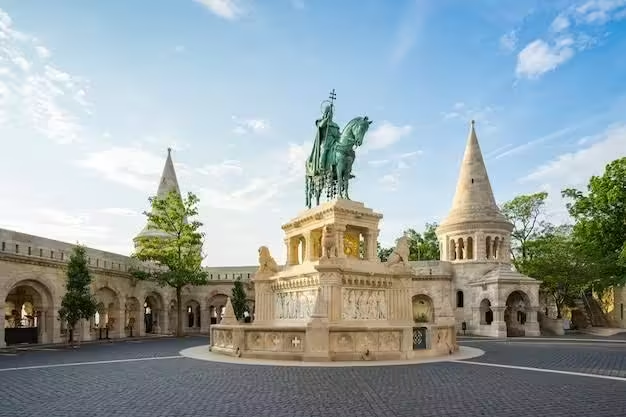
Overlooking Budapest from the Buda Castle, the Fisherman’s Bastion is a neo-Gothic terrace built in 1902. It offers spectacular views of the city and the Danube River.
The monument is named after the fishermen who defended the castle in the Middle Ages. The seven towers of the Bastion represent the seven Magyar tribes that settled in the Carpathian Basin in 895.
Nearby, the beautifully restored Matthias Church, a historic site of coronations and weddings, adds to the area’s allure. The church’s stunning interior, with its intricate frescoes and stained glass windows, is a highlight for many visitors.
The area around the Bastion is perfect for a leisurely stroll, with its cobblestone streets and charming cafes. It’s a great spot to take in the panoramic views of Budapest, especially at sunset.
Buda Castle
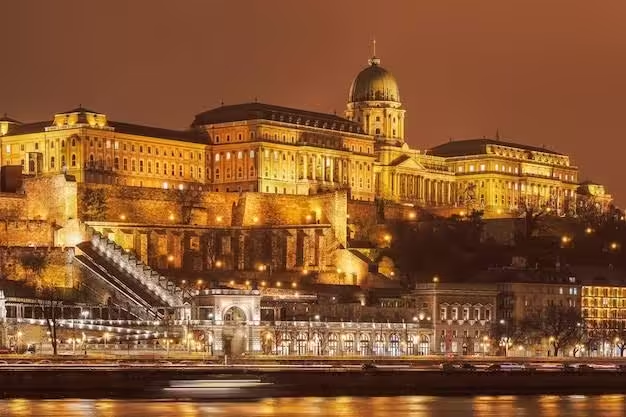
Located on Castle Hill, the Buda Castle, or the former Hungarian royal palace, dates back to the 13th century.
Today, it houses the Hungarian National Gallery and the Budapest History Museum, offering a rich insight into the country’s art and history.
The castle itself is a blend of Gothic, Renaissance, and Baroque architectural styles, reflecting its long and varied history.
The Castle Quarter surrounding Buda Castle is rich in history, with well-preserved baroque buildings, medieval fortifications, and narrow streets. The nearby Hospital in the Rock, a former emergency hospital and nuclear bunker, offers a fascinating glimpse into Hungary’s wartime history.
The funicular connecting the castle to the Chain Bridge square provides a scenic and convenient way to reach the top of Castle Hill, offering spectacular views of the city along the way.
Ruin Pubs
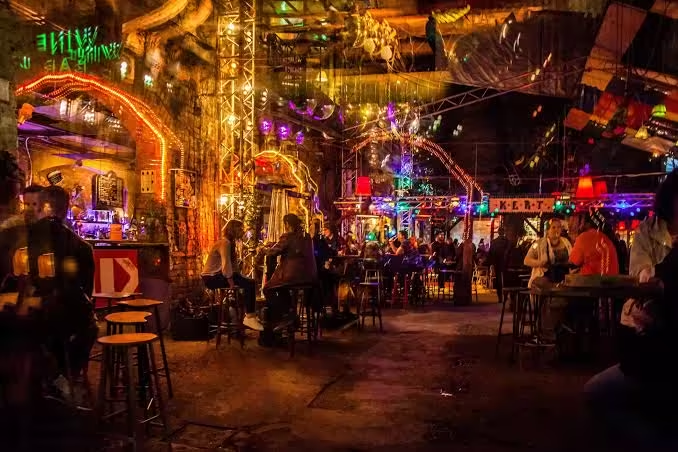
In the former Jewish Ghetto, Budapest’s ruin pubs offer a unique nightlife experience. These bars, established in abandoned buildings, feature eclectic decor and a lively atmosphere.
Szimpla Kert, the first ruin pub, set the trend, and many others have followed. These pubs are furnished with mismatched, quirky furniture, and the walls are often adorned with local art and graffiti.
Enjoy a drink and soak in the distinctive vibe, whether you’re sitting in an old bathtub, lounging on vintage sofas, or exploring the various themed rooms and outdoor courtyards.
The ruin pubs also host a variety of events, from live music to art exhibitions and film screenings, making them vibrant cultural hubs. Don’t forget to check out other popular ruin pubs like Instant and Fogasház. For more recommendations, see our travel guide.
Citadella

Perched atop Gellért Hill, the Citadella is a former fortress built in the mid-19th century by the Habsburgs after the Hungarian Revolution. It now serves as a popular tourist spot with stunning views of Budapest and an open-air display of Soviet weapons.
The Liberty Statue, erected in 1947 to commemorate Soviet soldiers who died during the liberation of Hungary in World War II, is a notable landmark.
The panoramic views from the Citadella are breathtaking, especially at night when the city is illuminated.
The walk up Gellért Hill can be quite steep, but the reward at the top is worth the effort. Along the way, you can explore the paths and gardens, and even enjoy a picnic with a view. The Citadella also houses a small museum detailing its history and significance.
House of Terror
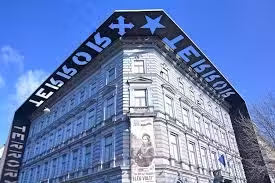
The House of Terror, a museum located in a former Nazi and Communist headquarters, offers a poignant look into Hungary’s dark history. The exhibits detail the experiences of ordinary citizens during these oppressive regimes, highlighting the brutality and surveillance they endured.
The building itself is a powerful symbol, with its imposing facade and stark interior design.
An English audio guide is recommended as the majority of the exhibits are in Hungarian, but detailed descriptions in English are also available.
The museum’s basement, where political prisoners were once held, provides a chilling and sobering experience. Outside, the Berlin Wall Memorial stands as a reminder of the city’s past, and the exhibition often includes temporary displays on related historical topics.
Central Market Hall
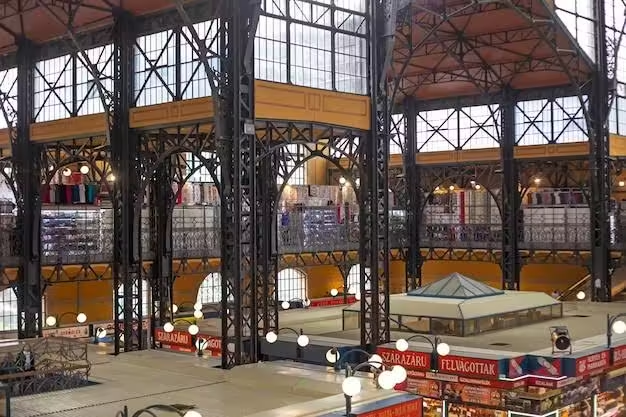
The Central Market Hall, a three-story food hall built in 1897, is a food lover’s paradise. Here, you can find everything from raw ingredients like paprika and wine to traditional Hungarian dishes and souvenirs.
Located at the end of the famous shopping street Váci Utca, it’s a great place to explore Hungarian culinary culture.
The ground floor is dedicated to fresh produce, meats, and spices, while the upper floor features food stalls offering delicious Hungarian specialties like lángos, goulash, and chimney cake. The basement level houses fishmongers and a supermarket.
The market’s vibrant atmosphere makes it a popular spot for both locals and tourists. Even if you’re not hungry, a stroll through the kiosks is like a journey through Hungary’s diverse regions.
City Park
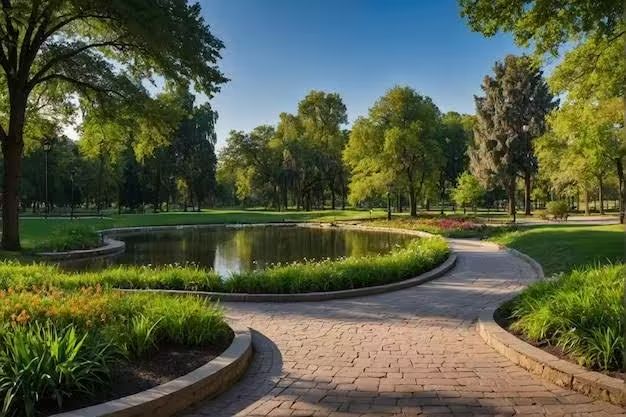
City Park is Budapest’s main public park, offering a peaceful retreat with numerous attractions.
The park’s entrance is marked by Heroes’ Square and the Millennium Monument, featuring statues of the seven leaders of the Hungarian tribes and other prominent historical figures.The square is a UNESCO World Heritage site and a key location for national events.
Within the park, you can find the impressive Vajdahunyad Castle, built in 1896 to celebrate Hungary’s 1000th anniversary. The castle features architectural styles from different historical periods and houses the Museum of Hungarian Agriculture.
The Széchenyi Thermal Bath, one of the largest spa complexes in Europe, is also located here, providing a perfect spot to relax after exploring the park.
Other attractions in City Park include an ice rink, a boating lake, a zoo, and a botanical garden. The park is also home to the Budapest Circus and the Museum of Fine Arts.With so much to see and do, City Park is an ideal place to spend a day, enjoying both relaxation and cultural activities.
Budapest is a city with countless treasures waiting to be discovered. Whether you’re exploring its grand landmarks, relaxing in its historic baths, or enjoying the vibrant nightlife, there’s always something new to experience.
Dive into the rich culture and history of this magnificent city and create memories that will last a lifetime. For more detailed information, maps, and tips, check out our mobile-friendly travel guide.





Pingback: Burnout: Signs, Solutions, and Prevention-THE KNOWLEDGE LOOM