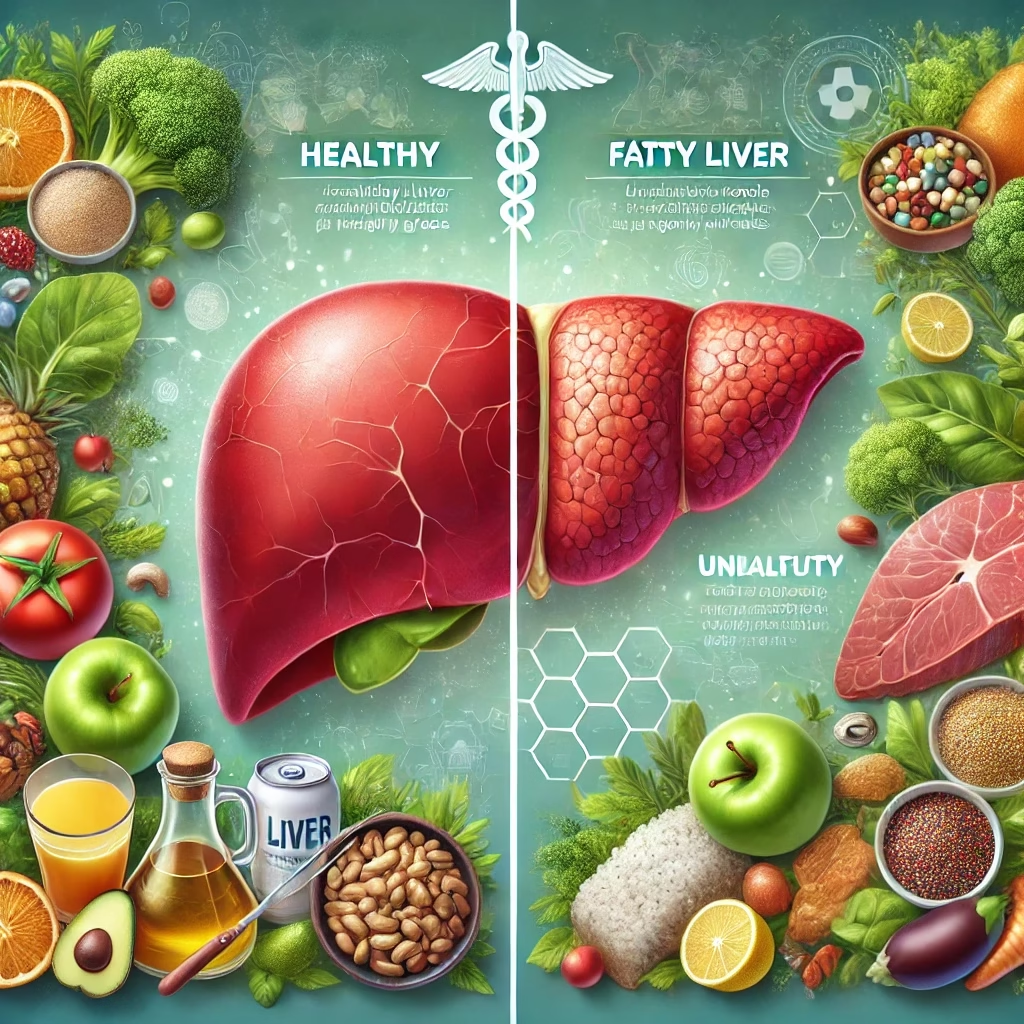
Fatty Liver Disease: Diet and Prevention Tips
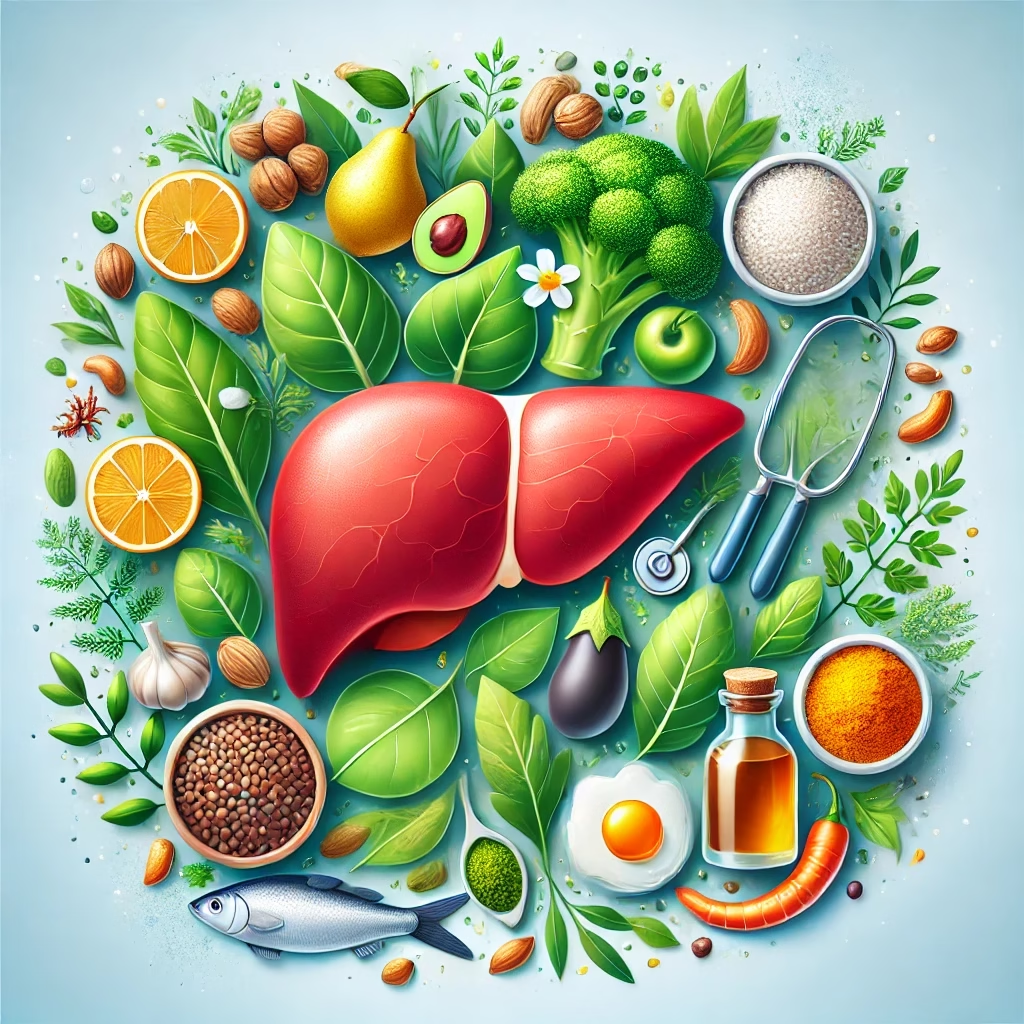
Fatty liver disease, or Non-Alcoholic Fatty Liver Disease (NAFLD), is a widespread liver condition affecting millions worldwide. It occurs when excessive fat accumulates in liver cells, impairing liver function. NAFLD is strongly linked to obesity, insulin resistance, metabolic syndrome, and poor dietary habits. Unlike Alcoholic Fatty Liver Disease (AFLD), which results from excessive alcohol consumption, NAFLD is primarily associated with lifestyle factors.
If left untreated, NAFLD can progress to Non-Alcoholic Steatohepatitis (NASH), an aggressive form of fatty liver disease that causes inflammation and liver cell damage. Over time, this can lead to fibrosis (scarring), cirrhosis (permanent damage), liver failure, or even liver cancer.
The good news is that NAFLD can be reversed in its early stages through proper lifestyle modifications. The key to managing fatty liver lies in adopting a healthy diet, losing excess weight, and maintaining an active lifestyle.
What is Fatty Liver Disease?
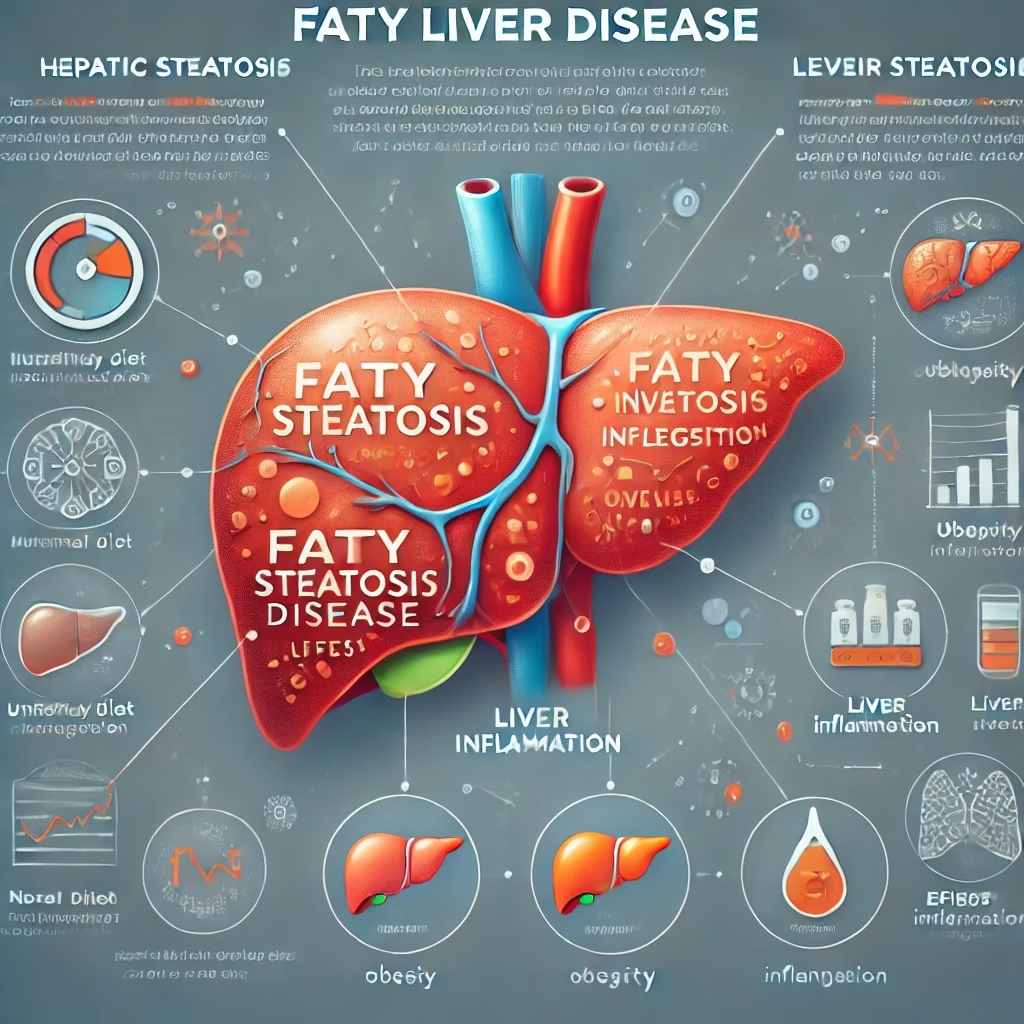
The liver naturally contains some fat, but when fat makes up more than 5% of the liver’s weight, it leads to a condition called hepatic steatosis (fatty liver).
Excess fat in the liver interferes with normal liver function and, if not addressed, can progress to more severe liver damage.
Types of Fatty Liver Disease:
1. Non-Alcoholic Fatty Liver Disease (NAFLD): Fat accumulation in the liver not caused by alcohol.
2. Non-Alcoholic Steatohepatitis (NASH): A more advanced form of NAFLD characterized by inflammation and damage to liver cells.
3. Alcoholic Fatty Liver Disease (AFLD): Fat accumulation in the liver due to excessive alcohol intake.
Stages of NAFLD Progression:
1. Simple Fatty Liver (Steatosis): Excess fat buildup in the liver without inflammation.
2. Non-Alcoholic Steatohepatitis (NASH): Liver fat leads to inflammation and damage to liver cells.
3. Fibrosis: Persistent inflammation causes scarring of liver tissue.
4. Cirrhosis: Extensive fibrosis leads to irreversible liver damage, increasing the risk of liver failure and cancer.
Symptoms of FattyLiver Disease
Fatty liver disease is often referred to as a silent disease because it rarely causes symptoms in the early stages. However, as the condition progresses, individuals may experience:
- Fatigue and weakness
- Unexplained weight loss
- Mild pain or discomfort in the upper right abdomen
- Swelling in the abdomen (ascites) in severe cases
- Jaundice (yellowing of the skin and eyes) in advanced stages
- Dark urine and pale-colored stools
Because NAFLD is usually asymptomatic, it is often diagnosed incidentally during routine ultrasound scans or liver function tests.
Can Fatty Liver Be Reversed?
Yes! The liver has an incredible ability to repair and regenerate itself if fatty liver is detected in the early stages. The most effective ways to reverse fatty liver include:
1. Losing Excess Weight
A 3–5% reduction in body weight can start reducing liver fat.
A 7–10% weight loss can reverse fibrosis (scarring of the liver) and significantly improve liver health.
Rapid weight loss can worsen liver inflammation, so aim for a gradual weight loss of 1–2 kg per month.
2. Following a Liver-Friendly Diet
Prioritize whole, nutrient-dense foods that promote liver health.
Cut down on processed foods, trans fats, and excessive sugar.
Eat more fiber-rich foods to improve digestion and liver function.
3. Exercising Regularly
Engage in at least 150–300 minutes of moderate-intensity exercise per week.
Brisk walking, jogging, yoga, swimming, and cycling help burn excess fat.
Strength training helps improve insulin sensitivity and boost metabolism.
4. Managing Blood Sugar and Insulin Resistance
NAFLD is strongly linked to insulin resistance and type 2 diabetes.
Avoid refined carbs and sugary foods that spike blood sugar.
Eat small, balanced meals throughout the day to maintain stable glucose levels.
5. Reducing Inflammation
Chronic inflammation worsens liver damage.
Consume anti-inflammatory foods like turmeric, green tea, and nuts.
Limit processed meats and fried foods.
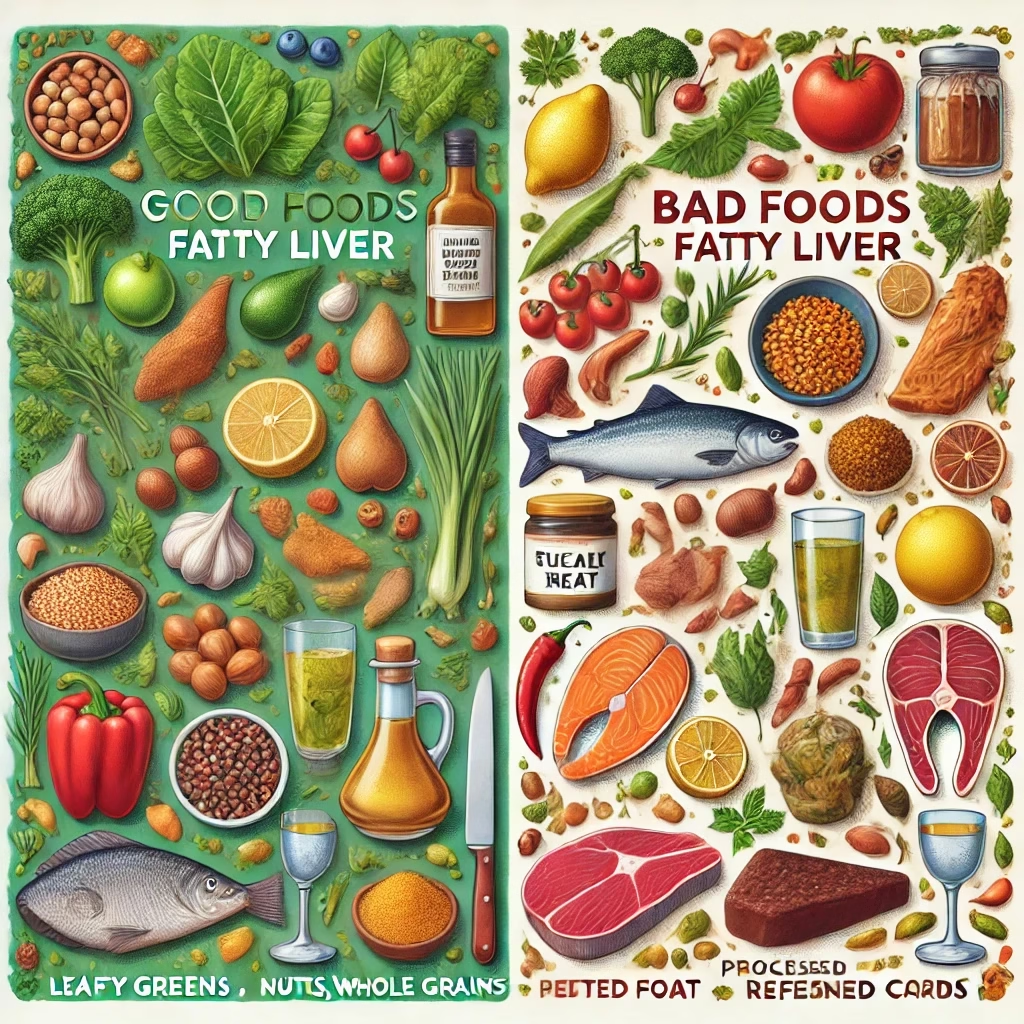
Best Foods for Fatty Liver
1. Coffee
Contains antioxidants that reduce liver inflammation.
Helps lower the risk of liver fibrosis.
2. Leafy Green Vegetables
Rich in polyphenols and nitrates, which help prevent fat buildup in the liver.
Examples: Spinach, kale, lettuce, and broccoli.
3. Legumes and Beans
Provide fiber and plant-based protein.
Help lower bad cholesterol and blood sugar levels.
4. Fatty Fish
Rich in omega-3 fatty acids that reduce inflammation.
Examples: Salmon, sardines, mackerel, and trout.
5. Whole Grains
Help regulate blood sugar levels and insulin sensitivity.
Examples: Brown rice, oats, quinoa, and barley.
6. Nuts (Almonds, Walnuts, Cashews, Pistachios)
Contain healthy fats and antioxidants that support liver function.
Walnuts, in particular, improve liver enzyme levels.
7. Turmeric
Contains curcumin, which has strong anti-inflammatory properties.
Protects the liver from oxidative stress and damage.
8. Sunflower Seeds
High in vitamin E, a powerful antioxidant that protects liver cells.
9. Healthy Fats (Unsaturated Fats)
Best sources: Olive oil, mustard oil, and avocado.
Limit butter, ghee, and processed fats.
10. Garlic
A natural detoxifier that reduces liver fat accumulation.
Foods to Avoid for Fatty Liver
❌ Alcohol – One of the biggest contributors to liver disease.
❌ Sugary Foods – Increase liver fat and insulin resistance.
❌ Fried and Processed Foods – Contain harmful trans fats and excess calories.
❌ Excess Salt – High sodium intake worsens liver inflammation.
❌ Refined Carbohydrates – White bread, pasta, and fast food lead to fat accumulation.
❌ Red Meat and Processed Meats – High in saturated fats, which contribute to liver damage.
Fatty Liver Diet Plan
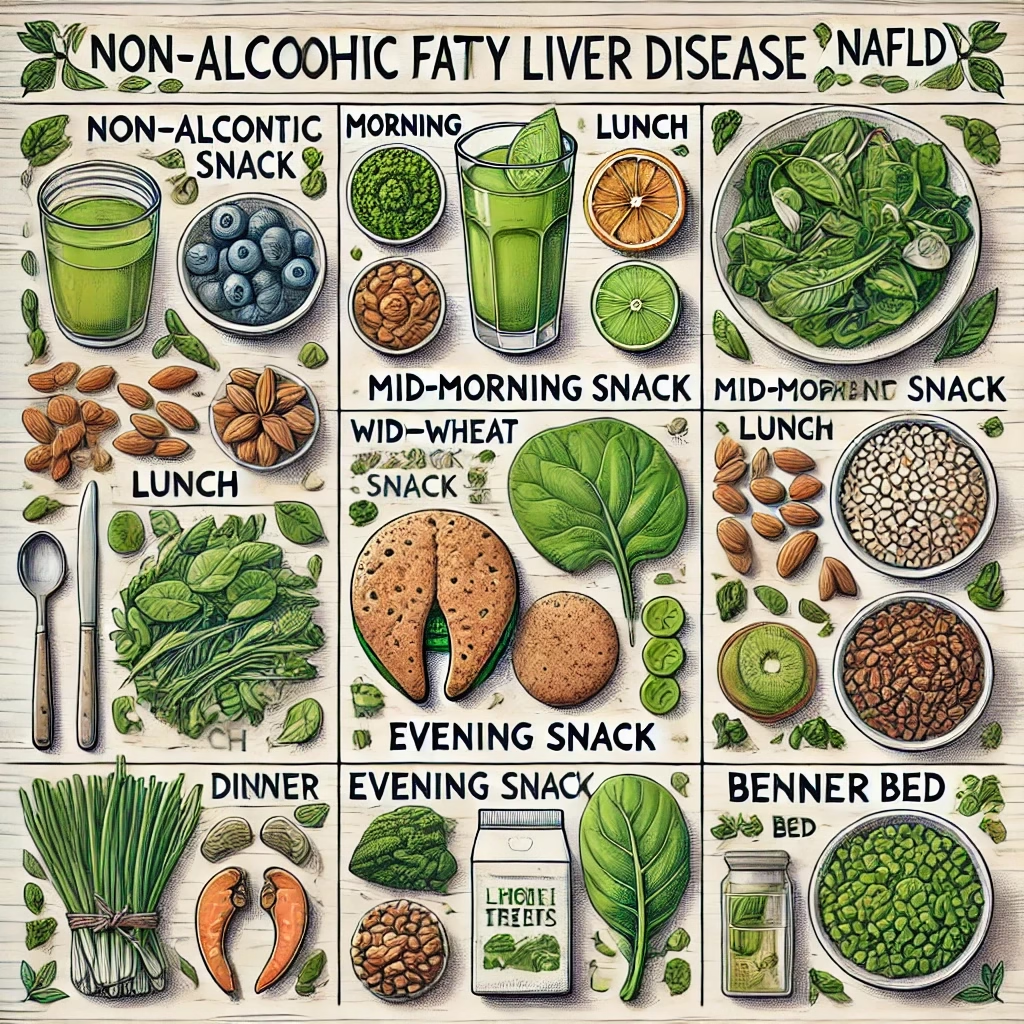
Morning (Empty Stomach)
✔ 1 teaspoon fennel + fenugreek seeds
✔ 2 cloves of garlic
✔ 1 glass of warm water with lemon
After 5 Minutes of Walking & Workout
✔ Vegetable smoothie or porridge
✔ Vegetable poha or multigrain toast
Lunch
✔ 1 cup salad
✔ 2 whole wheat/bajra rotis
✔ Green leafy vegetable curry
✔ Soybean curry/sprouts/dal/kadhi
Dinner
✔ Vegetable soup + Khichdi (brown rice)
✔ 1 cup curd (room temperature)
Fatty liver disease is preventable and reversible with healthy dietary habits, regular exercise, and weight management. If you experience symptoms or have risk factors like obesity, diabetes, or high cholesterol, consult a doctor for liver function tests.
For a customized diet plan, feel free to reach out via email:
📩 shwet.shikha30@gmail.com




Pingback: Gandikota: India’s Grand Canyon- THE KNOWLEDGE LOOM