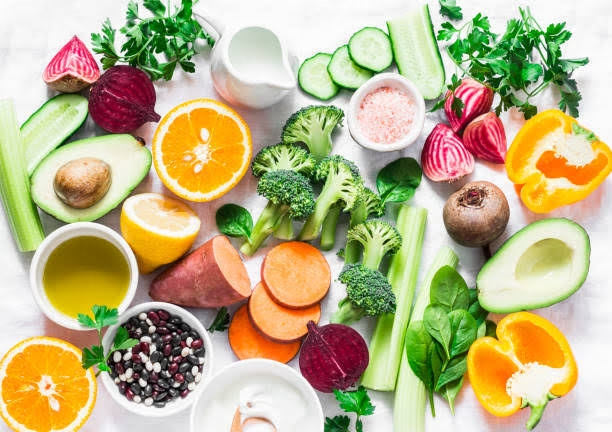
What Are Antioxidants and Why Are They Important?
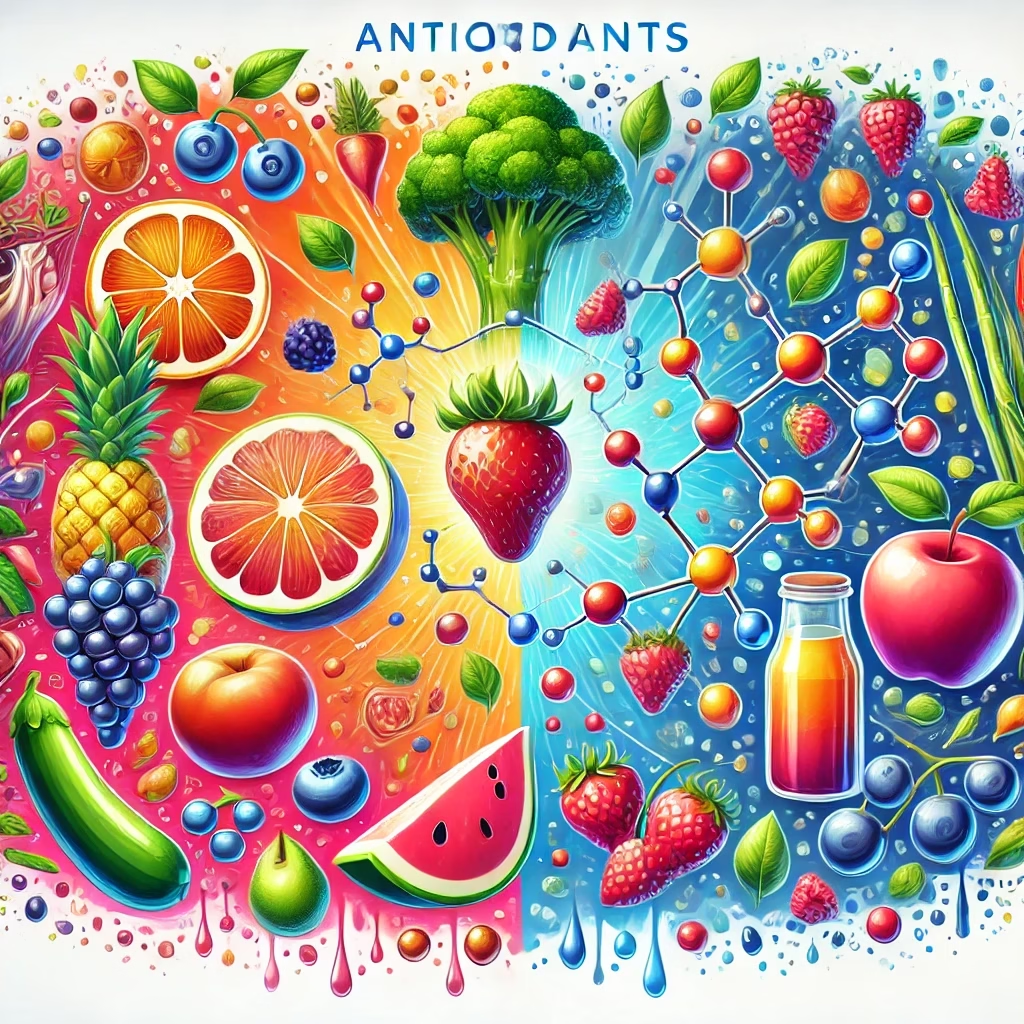
Antioxidants play a crucial role in maintaining our health by neutralizing harmful molecules called free radicals.
These molecules are naturally produced in the body as a byproduct of processes like metabolism, but they can also come from external sources such as pollution, tobacco smoke, and UV exposure.
When left unchecked, free radicals can cause damage to cells, leading to various health conditions such as heart disease, cancer, and premature aging.
This article will explore the science behind antioxidants, their benefits, and the types of foods that are rich in antioxidants. By incorporating antioxidant-rich foods into your diet, you can support your overall health and protect your body from oxidative stress.
What Are Antioxidants?
Antioxidants are molecules that help neutralize free radicals in the body. Free radicals are unstable molecules that can damage cells by stealing electrons, leading to oxidative stress.
This oxidative stress has been linked to several chronic diseases, including cardiovascular conditions, cancer, and neurodegenerative disorders like Alzheimer’s.
Antioxidants stabilize free radicals by donating an electron, thereby reducing their damaging effects. The body produces some antioxidants naturally, but we rely heavily on dietary sources to meet our needs.
Types of Antioxidants
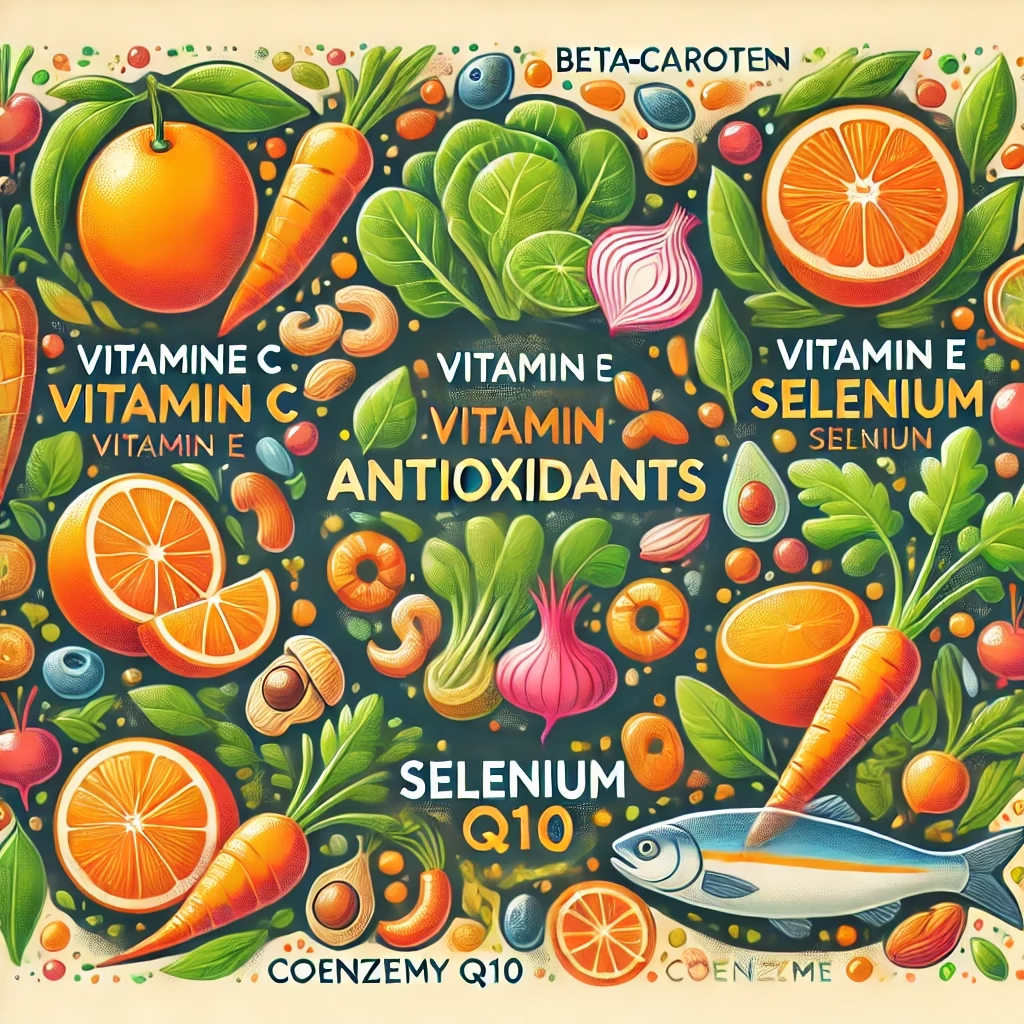
Antioxidants come in various forms, including vitamins, minerals, and plant-based compounds. Below are some of the most common antioxidants and their food sources:
Vitamin C: Found in oranges, strawberries, bell peppers, and spinach, this water-soluble vitamin is one of the most potent antioxidants.
Vitamin E: Found in nuts, seeds, and vegetable oils, vitamin E is fat-soluble and helps protect cell membranes from damage.
Beta-Carotene: A precursor to vitamin A, this antioxidant is abundant in orange and yellow fruits and vegetables like carrots, sweet potatoes, and pumpkins.
Selenium: A trace mineral found in nuts, whole grains, and seafood, selenium helps the body combat oxidative stress.
Coenzyme Q10: Present in meat, fish, and whole grains, this antioxidant plays a role in energy production and cellular health.
Health Benefits of Antioxidants

Antioxidants are essential for maintaining overall health and preventing disease. Here are some of their key benefits:
1. Reducing the Risk of Heart Disease and Stroke:
Antioxidants lower blood pressure, reduce inflammation, and improve cholesterol levels, all of which contribute to a healthier cardiovascular system.
2. Protecting Against Cancer:
Some studies suggest that antioxidants may help reduce the risk of cancers such as breast, prostate, and colorectal cancer by protecting cells from DNA damage.
3. Slowing the Aging Process:
Free radicals accelerate the aging process, but antioxidants can help combat this by reducing oxidative stress. This may also improve skin health by minimizing wrinkles and fine lines.
4. Improving Skin Health:
Antioxidants like vitamin C and green tea extract can protect the skin from damage caused by UV radiation and environmental stressors, promoting a youthful appearance.
What Are Antioxidant Foods?
Antioxidant-rich foods include a wide variety of fruits, vegetables, nuts, seeds, whole grains, legumes, and beverages. These foods help provide the body with the necessary compounds to fight oxidative stress.
Fruits
Berries: Blueberries, blackberries, and raspberries are particularly high in antioxidants.
Citrus Fruits: Oranges, grapefruits, and lemons are excellent sources of vitamin C.
Other Fruits: Cherries, plums, and red grapes are also antioxidant-rich.
Vegetables
Leafy Greens: Spinach, kale, and broccoli are nutrient-dense and rich in antioxidants.
Root Vegetables: Carrots, sweet potatoes, and beets provide beta-carotene and other beneficial compounds.
Nuts and Seeds
Almonds and Hazelnuts: Excellent sources of vitamin E.
Sunflower Seeds: Rich in selenium and other antioxidants.
Whole Grains and Legumes
Quinoa and Oats: Provide fiber and antioxidants that promote heart health.
Beans and Lentils: Contain various antioxidants and are great plant-based protein sources.
Spices and Herbs
Turmeric, Cinnamon, and Ginger: Spices that are known for their high antioxidant content.
Herbs: Parsley, oregano, and rosemary also contribute to antioxidant intake.
Beverages
Green Tea and Black Tea: Rich in flavonoids, which are potent antioxidants.
Coffee: Contains numerous antioxidant compounds that can support overall health.
Understanding the ORAC Score
The ORAC (Oxygen Radical Absorbance Capacity) score measures the antioxidant capacity of a food. It quantifies how well a food can neutralize free radicals in a laboratory setting. Foods with higher ORAC scores are considered more effective at combating oxidative stress.
Examples of foods with high ORAC scores include:
Blueberries: 4,669 µmol TE per 100 grams.
Dark chocolate: 15,000 µmol TE per 100 grams.
Pecans: 10,600 µmol TE per 100 grams.
Although the ORAC score is a helpful indicator, it’s not the only measure of a food’s health benefits. Factors like nutrient density, fiber content, and bioavailability also play crucial roles in determining a food’s overall health impact.
Tips for Maximizing Antioxidant Intake
1. Consume a Variety of Foods: Different antioxidants serve different purposes, so eating a wide range of colorful fruits and vegetables ensures you get a diverse range of benefits.
2. Choose Fresh and Raw Foods: Cooking and processing can reduce the antioxidant content of foods. Aim to eat fresh, raw fruits and vegetables whenever possible.
3. Incorporate Spices and Herbs: Adding spices like turmeric and cinnamon to your meals is an easy way to boost antioxidant intake.
4. Drink Green Tea or Coffee: These beverages are rich in antioxidants and can be a great addition to your daily routine.
Antioxidants are essential for maintaining good health and protecting the body from damage caused by free radicals. By including a variety of antioxidant-rich foods in your diet—such as fruits, vegetables, nuts, seeds, and whole grains—you can reduce your risk of chronic diseases, slow down the aging process, and improve your overall well-being.
Understanding the role of antioxidants and incorporating them into your daily routine is a simple yet effective step toward a healthier lifestyle. Remember, the key is to maintain a balanced diet and consume a diverse range of antioxidant sources to maximize their benefits.
Take charge of your health today—your body will thank you!





Pingback: “The Anti-Inflammatory Lifestyle” - THE KNOWLEDGE LOOM