

Indian Council of Medical Research Report
An ICMR report shows that 56.4 percent of the total disease burden in India is due to an unhealthy diet. Obesity and diabetes are emerging as big problems in India, with 1 out of every 4 people suffering from these conditions. Unhealthy foods contain little or no protein, vitamins, or minerals, but are high in salt, sugar, fat, and calories. It is essential to understand the harm junk food is causing to your body.
DIGESTIVE SYSTEM DISRUPTION

Unhealthy foods, mostly fried and high in calories, fats, and sugars, lack fiber. This disrupts the digestive system, causing constipation, stomach gas, and other digestive problems. Harmful chemicals and preservatives in these foods further damage the digestive system.
RAPID WEIGHT GAIN

Regular consumption of high-calorie fast food leads to fat storage in the body, causing rapid weight gain. This can lead to obesity, heart disease, diabetes, and high blood pressure. Obesity itself is a significant health risk, linked to numerous chronic diseases and conditions.
LACK OF ESSENTIAL NUTRIENTS
Junk food lacks essential nutrients such as vitamins, antioxidants, minerals, and fiber. Excessive consumption leads to nutrient deficiencies, weakening immunity and increasing the risk of various diseases. A poor diet can cause long-term health issues, including bone density loss and muscle weakness, due to inadequate nutrient intake.
INCREASED DIABETES RISK

High sugar content in unhealthy foods raises blood sugar levels rapidly, leading to insulin resistance and an increased risk of developing type-2 diabetes. Frequent consumption of sugary drinks and snacks can also cause fluctuations in energy levels, contributing to fatigue and poor concentration.
IMPACT ON MIND AND SKIN
A diet high in fat and sugar can increase anxiety, stress, and depression. Nutrient deficiencies affect memory power, and high salt levels in fast food can dehydrate the skin, causing dryness. Over time, this can lead to more severe skin conditions and cognitive decline, affecting overall quality of life.
RISK OF HEART DISEASE

High amounts of trans and saturated fats in these foods increase bad cholesterol levels. Plaque accumulation in arteries affects blood circulation, raising the risk of heart attack and stroke. Consistently high cholesterol can lead to chronic cardiovascular problems, necessitating long-term medical intervention.
LIVER DAMAGE
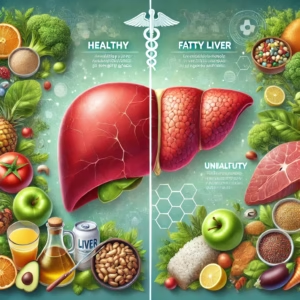
Trans fats and other harmful ingredients in fast food cause fat accumulation in the liver, affecting its function. This can lead to liver cirrhosis, making the problem more serious. Chronic liver damage can result in severe complications, including liver failure and the need for transplantation.
ADDITIONAL HEALTH RISKS
The high salt content in junk food can lead to hypertension, further increasing the risk of heart disease and stroke. Overconsumption of these foods can also lead to metabolic syndrome, a cluster of conditions that increase the risk of heart disease, stroke, and diabetes. Furthermore, the preservatives and artificial additives found in junk food can have carcinogenic effects, potentially increasing the risk of cancer over time.
The consumption of Junk food poses significant health risks, affecting various bodily systems and leading to serious chronic diseases. It is crucial to be aware of these dangers and to make healthier dietary choices to ensure long-term well-being.



Pingback: Discover the Charm of Sissu:A Hidden Gem in Himachal Pradesh