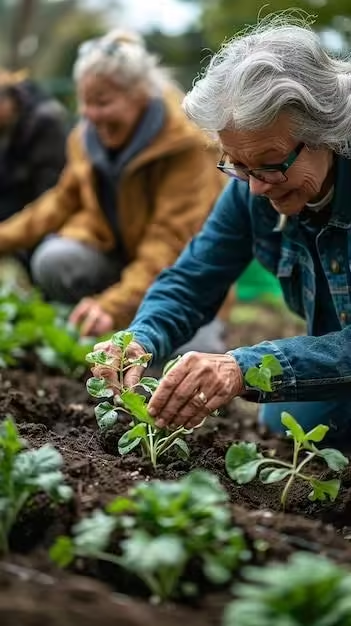
Kitchen Garden: A Path to Healthy Food
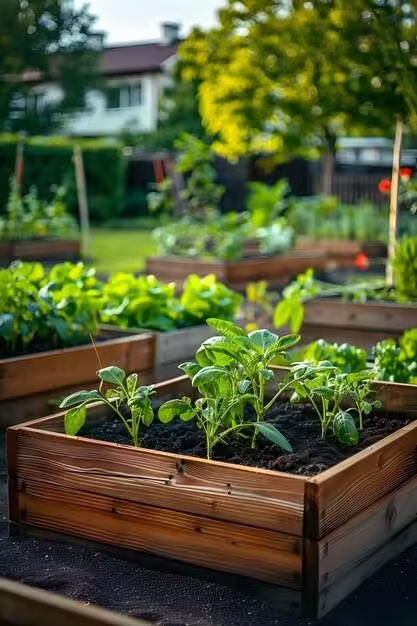
A kitchen garden is more than just a hobby; it’s a way to ensure that you and your family have access to fresh, nutritious, and delicious vegetables right from your backyard. With concerns over pesticide use and the often bland taste of store-bought produce, growing your own vegetables at home is an excellent solution.
Grow Vegetables at Home
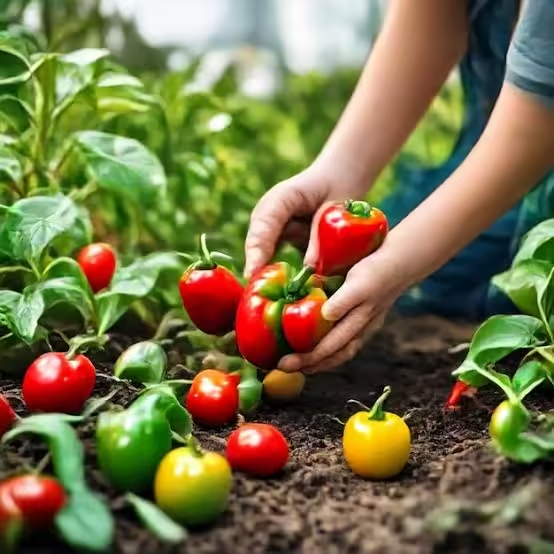
If you are fond of gardening and health-conscious, growing vegetables at home is the perfect activity. Not only will it bring natural colours to your garden, but it will also enhance the taste and health of your food.
Benefits of Home-Grown Vegetables
Most store-bought vegetables are tasteless due to the use of pesticides. In my blog, you will learn how to easily grow vegetables at home without pesticides. This will ensure your produce is fresh, nutrient-rich, and delicious.
Home-grown vegetables are often higher in vitamins, minerals, and antioxidants because they are harvested at their peak ripeness and immediately consumed, retaining more of their nutritional value.
Vegetables to Plant
Tomatoes
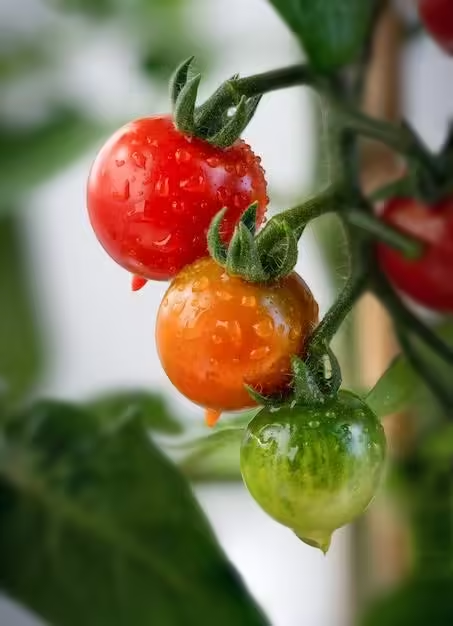
• Varieties: Cherry tomatoes and Sun Gold tomatoes
• Growing Tips: Plant in pots that receive 6 to 8 hours of sunlight. Fruits start appearing within 60-70 days. Support plants with bamboo sticks to prevent them from falling due to the weight of the fruits.
Eggplants
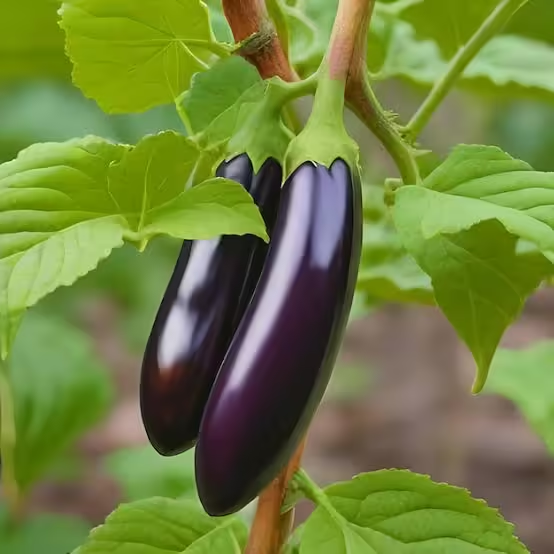
• Varieties: Small green brinjals, Indian brinjals, pink round brinjals
• Growing Tips: Plant in pots with plenty of sunlight. Ensure the soil remains moist.
Lettuce
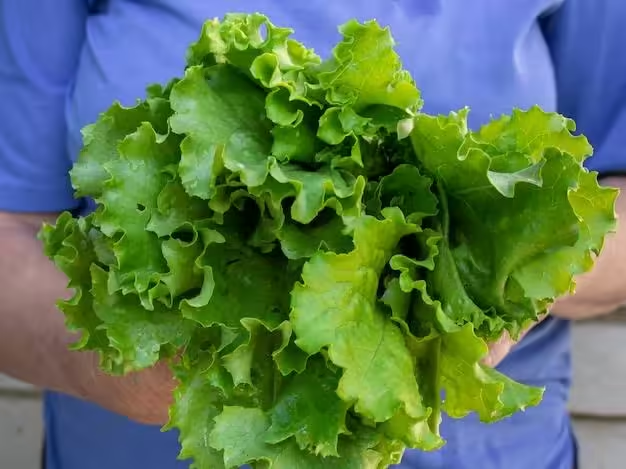
• Varieties: Lettuce Lolo, Red Rose Lettuce, Lettuce Oak
• Growing Tips: Keep pots in shade and water adequately as they require more water.
Chillies

• Varieties: Chilli Sweet Pepper, Chilli Hot Pepper Chrism
• Growing Tips: Plant in pots with organic fertilizer for spicier, tastier chillies. Ensure the pots receive sufficient sunlight.
Spinach
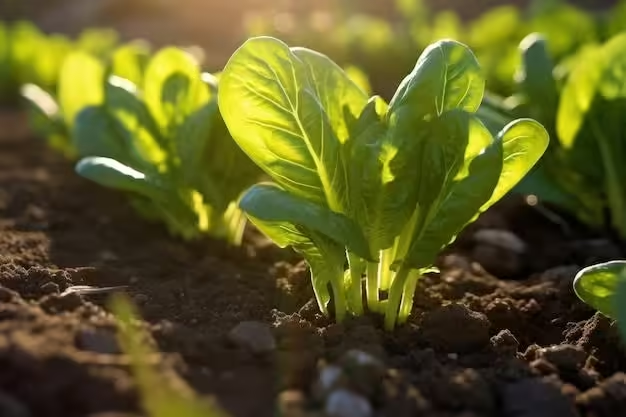
• Varieties: Savoy spinach, baby spinach, green spinach
• Growing Tips: Plant in pots or grow bags as their roots are shallow. Keep them in light shade.
Coriander
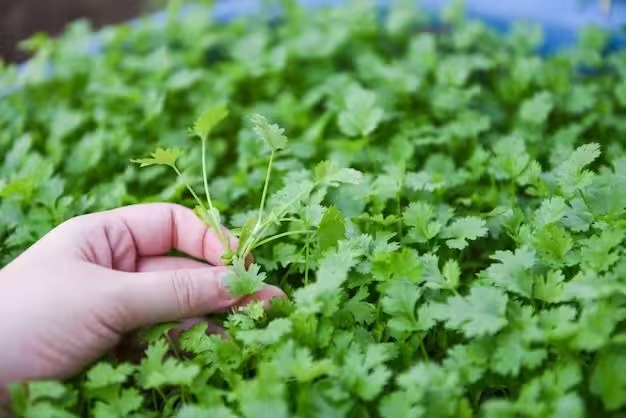
• Growing Tips: Divide dry coriander seeds and sow them in moist soil. Ensure they receive 4-6 hours of sunlight.
Making Organic Fertilizer
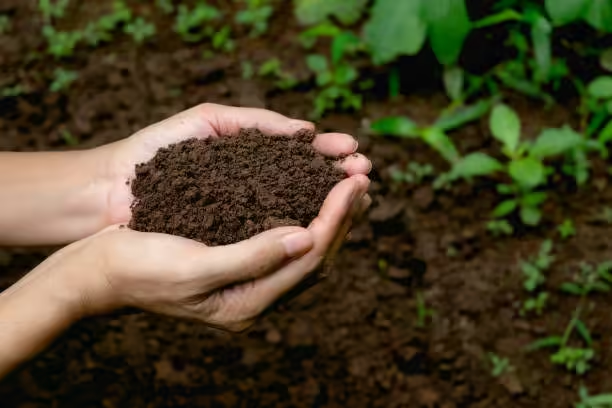
Prepare a mixture of:
• Two handfuls each of cow dung manure and earthworm manure
• One handful each of neem cake, mustard cake, and tea leaves
Mix the prepared mixture into the soil of the plants every 15 days to provide adequate nutrition. This organic fertilizer will enrich the soil, promoting healthy plant growth and enhancing the nutritional content of your vegetables.
Maintenance Tips
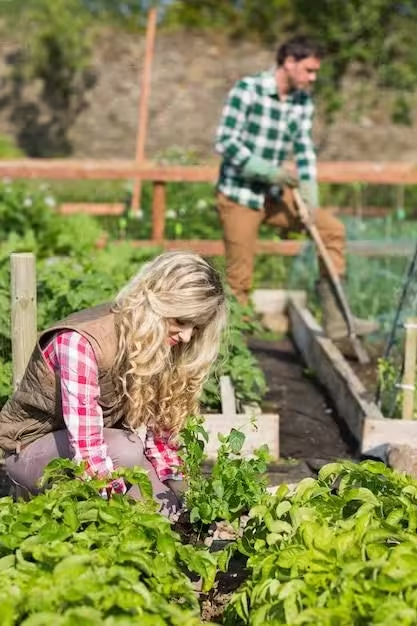
• Weeding: Remove weeds every 15-20 days to prevent them from growing around your plants.
• Pest and Disease Protection: Spray organic pesticides, neem oil, or cow urine (3.0 ml per liter of water) periodically.
• Watering: Water the plants regularly and close to the pot.
Additional Tips for a Thriving Kitchen Garden
Soil Preparation
• Ensure the soil is rich in organic matter and well-drained. You can enhance soil fertility by adding compost or well-rotted manure.
Container Selection
• Use containers that are at least 12 inches deep for most vegetables. Ensure they have drainage holes to prevent water logging.
Mulching
• Apply a layer of organic mulch, such as straw or grass clippings, around your plants to retain moisture, suppress weeds, and improve soil structure.
Companion Planting
• Practice companion planting to enhance growth and deter pests. For example, planting basil near tomatoes can improve flavour and repel harmful insects.
Pruning and Training
• Regularly prune and train your plants to improve air circulation and sunlight penetration. This helps prevent diseases and encourages better fruit production.
Harvesting
• Harvest your vegetables at their peak ripeness for the best flavor and nutritional value. Regular harvesting also encourages continuous production.
Seasonal Planting
• Plan your kitchen garden according to the seasons. Some vegetables thrive in cooler weather, while others prefer the warmth of summer.
By following these tips and guidelines, you can create a thriving kitchen garden that provides you with fresh, healthy, and delicious vegetables year-round.
Enjoy the nutritional benefits and the satisfaction of growing your own food. Happy gardening!





Pingback: EFFECTIVE DIET CHART FOR WEIGHT LOSSTHE KNOWLEDGE LOOM