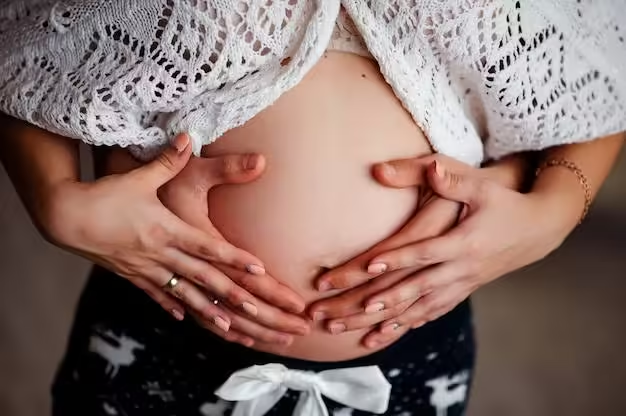

Maternity Insurance: A Lifeline for Expectant Parents
With healthcare costs on the rise, many couples are choosing maternity insurance as a way to manage the financial pressures that come with pregnancy and childbirth. But what exactly is maternity insurance, and how does it benefit you?
The Importance of Maternity Insurance
Today, it’s not uncommon for couples to marry later in life and delay starting a family. However, planning a child after the age of 35 can increase the risk of health complications, which in turn can lead to costly medical expenses.
Without a health policy—especially one that includes maternity coverage—couples could face significant out-of-pocket expenses related to pregnancy.
Maternity insurance is designed to lighten the financial burden associated with pregnancy. It covers a wide array of expenses, including regular check-ups, delivery, and post-hospitalization care. As the cost of maternity care continues to climb, this type of coverage can be a crucial financial safeguard.
Key Benefits of Maternity Insurance
•Comprehensive Coverage: Maternity insurance covers pre and post-hospitalization expenses.
It ensuring that diagnostic tests, medications, and even delivery-related costs are taken care of. It also covers post-birth care for both mother and child.
•Cashless Facility: Many maternity policies provide cashless hospitalization, meaning you won’t need to pay upfront for hospital bills. The insurance company directly settles the bills with the hospital.
•Ambulance Coverage: Emergency ambulance services are often included.
•Extended Coverage for Newborns: Coverage typically extends from the day of birth up to 90 days, which includes any medical expenses the newborn may incur.
When to Purchase Maternity Insurance
Many people assume maternity coverage is automatically included in health insurance plans. However, it’s important to verify this before relying on your standard policy. If your health insurance doesn’t offer sufficient maternity coverage, it’s wise to consider purchasing a separate maternity insurance plan.
Key Considerations:
•Waiting Period: Be mindful of the waiting period before benefits kick in. Most policies have a waiting period of two years, so plan ahead if you’re getting married soon and hoping to start a family.
•Sum Assured: Check how much of your total sum assured is allocated to maternity expenses. For example, a policy with a sum assured of ₹10 lakh may only cover ₹50,000 for delivery-related expenses. In such cases, a separate maternity plan could be more beneficial.
•Special Circumstances: Some maternity insurance policies also cover treatments like IVF or surrogacy, which can be a significant advantage for couples needing these services.
What to Look for in a Maternity Insurance Policy
1.Newborn Coverage: Ensure that the policy includes coverage for any medical expenses the newborn may require after birth, especially if the baby has any health issues.
2.Vaccination Coverage: Some policies offer coverage for vaccinations, which can be a helpful long-term benefit.
3.Agent Assistance: Consider purchasing the policy through a reputable agent to avoid potential mistakes during the online buying process.
4.Duration of Benefits: Choose a policy that offers coverage throughout the entire pregnancy journey, from before hospitalization to post-hospital care, for the best overall protection.
5.Emergency Situations: Ensure the policy covers complications or emergencies during pregnancy, so you’re not left without coverage when you need it most.
Final ThoughtsMaternity insurance provides financial relief and peace of mind during one of life’s most significant and often unpredictable experiences. By ensuring coverage for both mother and child before, during, and after birth, you can focus on the joy of welcoming a new family member without the added stress of unexpected medical expenses.




Mentioning the link below
Know more or purchase Maternity insurance plans
https://www.icicilombard.com/health-insurance/maternity-health-insurance
Pingback: VEGAN FOOD RECIPE - The knowledge loom
Pingback: PREGNANCY DIET: WHAT TO EAT AND AVOID -THE KNOWLEDGE LOOM