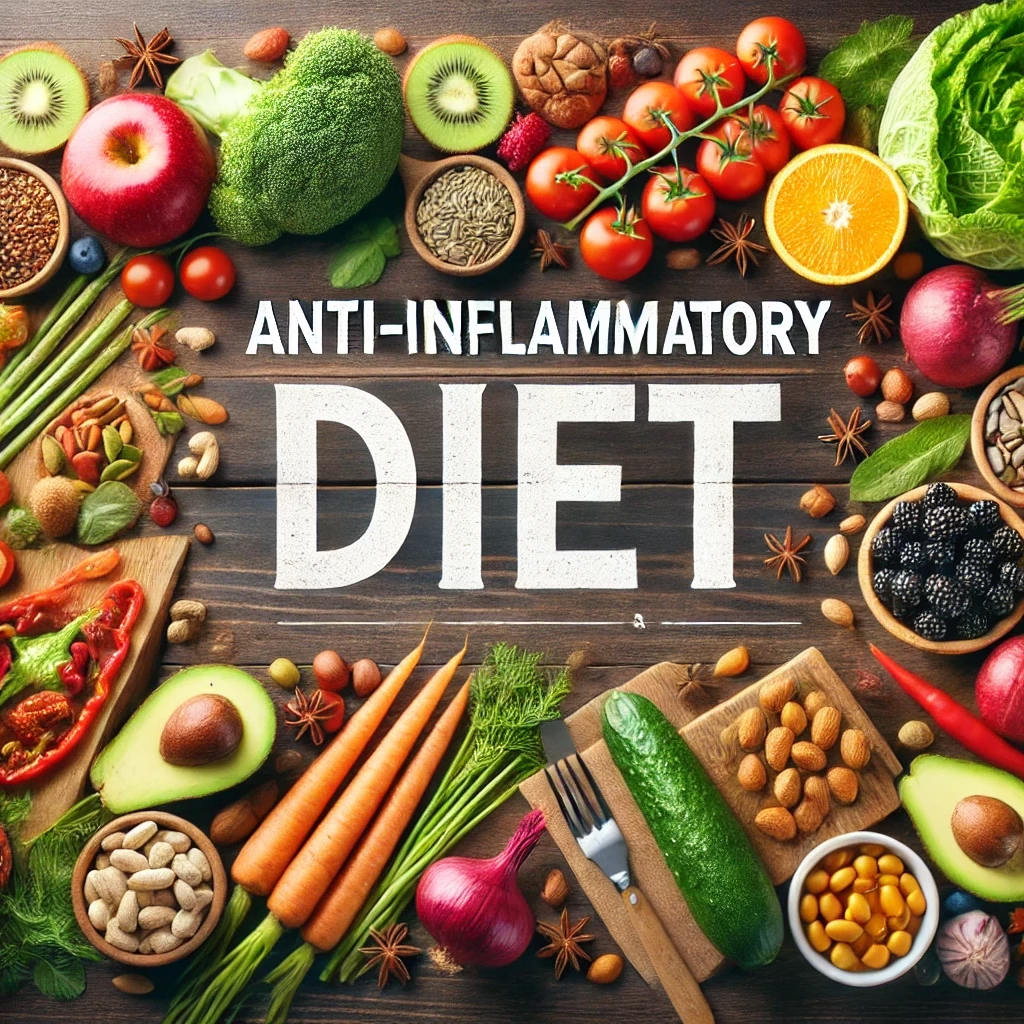
ANTI-INFLAMMATORY DIET

Understanding Inflammation and How to Combat It Naturally
Inflammation is the body’s natural response to harmful stimuli, such as infections, injuries, or toxins. While acute inflammation is vital for healing, chronic inflammation can harm the body and contribute to diseases such as diabetes, cancer, heart disease, arthritis, Alzheimer’s, and asthma.
In today’s fast-paced world, the prevalence of chronic inflammation has surged due to poor dietary habits, sedentary lifestyles, and exposure to stress and pollutants.
Understanding Inflammation
Inflammation is part of the body’s immune system defense mechanism. When the body detects a threat, it triggers an inflammatory response to protect itself and begin the healing process.
This includes releasing white blood cells, immune cells, and cytokines to fight off infection or repair damaged tissue.
While acute inflammation resolves once the healing process begins, chronic inflammation lingers for weeks, months, or even years.
Over time, this persistent state can harm healthy cells, tissues, and organs, paving the way for serious health conditions.
Signs of Inflammation

Recognizing the symptoms of chronic inflammation can help you address the issue early. Common signs include:
1. Digestive Issues: Bloating, acidity, or irregular bowel movements.
2. Skin Problems: Persistent acne, dull skin, or hair loss.
3. Sudden Weight Changes: Unexplained weight gain or loss.
4. Fatigue: Constant tiredness, lack of energy, or feeling lethargic.
5. Joint and Body Pain: Stiffness, soreness, or persistent aches.
6. Mood Swings and Depression: Inflammation in the brain can affect mental health.
7. Frequent Infections: Recurrent fevers, colds, or infections indicate a weakened immune system.
If these symptoms persist, it’s essential to take steps to address them before they escalate.
What Causes Chronic Inflammation?
Chronic inflammation is often triggered by lifestyle and environmental factors. Common causes include:
Poor Diet: High consumption of processed foods, sugars, and unhealthy fats.
Obesity: Excess fat cells release inflammatory chemicals.
Lack of Physical Activity: A sedentary lifestyle slows metabolism and triggers inflammation.
Stress: Chronic stress elevates cortisol levels, leading to inflammatory responses.
Environmental Toxins: Pollution, smoke, and chemicals contribute to systemic inflammation.
How to Reduce Inflammation Naturally
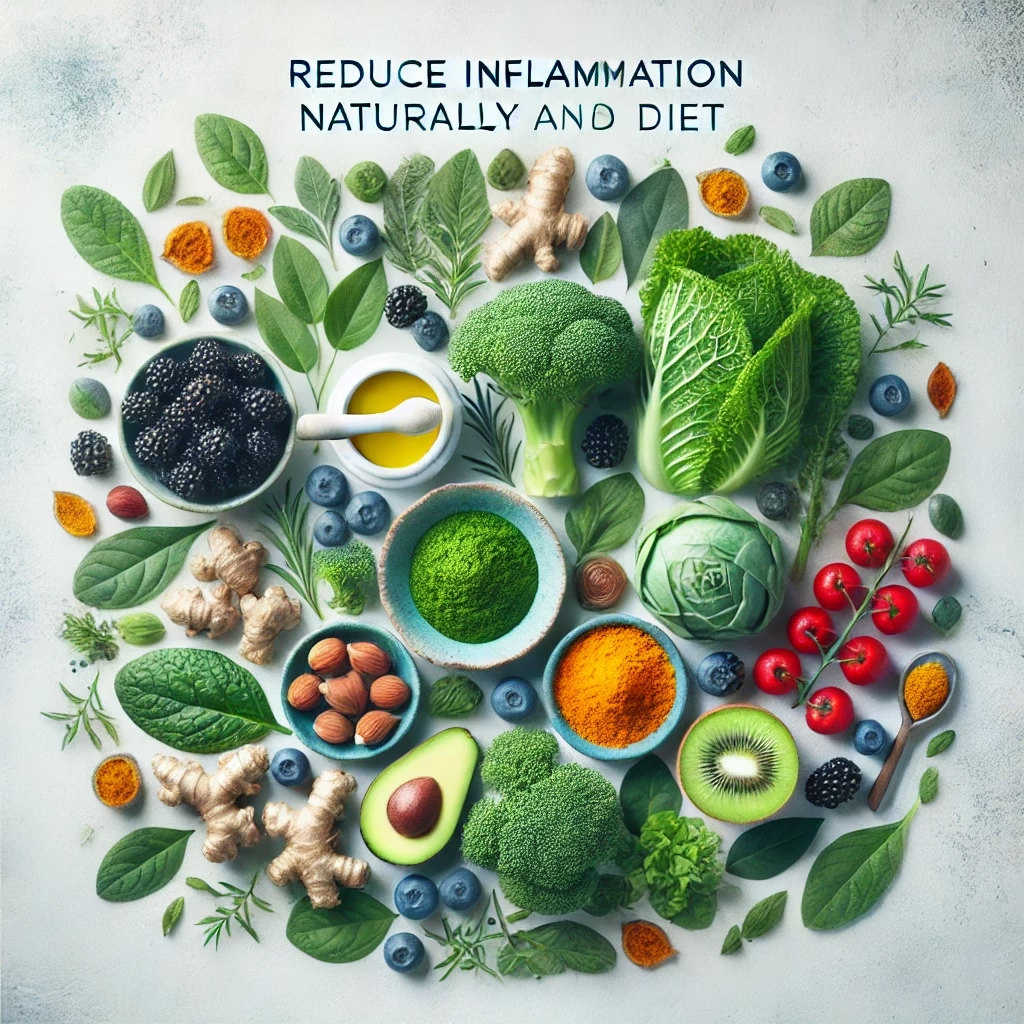
The good news is that inflammation can be reduced through natural methods. Let’s explore some effective strategies:
1. Adopt an Anti-Inflammatory Diet
What you eat significantly impacts inflammation levels. Some foods exacerbate inflammation, while others help fight it.
Foods to Avoid:
Refined Sugars: Found in candies, sodas, packaged snacks, and desserts.
Processed Foods: Chips, frozen meals, and instant noodles.
Trans Fats: Present in margarine, fried foods, and baked goods.
Red and Processed Meats: High consumption of beef, sausages, and hot dogs can increase inflammation.
Foods to Include:
Fruits and Vegetables: Tomatoes, spinach, kale, broccoli, berries, and oranges are rich in antioxidants and nutrients.
Omega-3 Fatty Acids: Found in walnuts, flaxseeds, chia seeds, and fatty fish like salmon.
Spices: Turmeric, ginger, garlic, and cinnamon possess potent anti-inflammatory properties.
Whole Grains: Replace refined grains with quinoa, oats, and brown rice.
Fermented Foods: Yogurt, kefir, and pickles promote a healthy gut microbiome.
Herbs and Teas: Green tea, chamomile, and tulsi have anti-inflammatory effects.
A balanced diet not only reduces inflammation but also supports overall health and vitality.
2. Maintain a Healthy Weight
Excess weight, particularly around the abdomen, produces inflammatory chemicals called cytokines. By losing weight through a combination of exercise and a nutritious diet, you can lower inflammation levels significantly.
Focus on achieving a sustainable weight rather than rapid weight loss, which can strain the body.
3. Stay Hydrated
Water is essential for flushing toxins and maintaining optimal bodily functions. Dehydration can worsen inflammation. Aim to drink at least 8–10 glasses of water daily, and consider including hydrating foods like cucumbers and watermelons in your diet.
4. Get Quality Sleep
Sleep deprivation increases stress hormones and inflammatory markers in the body. Adults should aim for 7–8 hours of uninterrupted sleep each night. Develop a bedtime routine by avoiding screens an hour before bed, practicing relaxation techniques, and creating a calming environment.
5. Manage Stress Effectively
Chronic stress triggers the release of cortisol, which can promote inflammation. Stress management techniques include:
Practicing yoga or meditation.
Engaging in deep breathing exercises.
Spending time in nature.
Taking breaks from work to relax and recharge.
6. Exercise Regularly
Physical activity reduces inflammation by lowering fat levels and improving circulation. Activities like walking, jogging, swimming, or yoga can help. Aim for at least 30 minutes of moderate exercise five times a week.
7. Limit Alcohol and Quit Smoking
Alcohol and tobacco are major contributors to inflammation. Limiting or avoiding these substances can reduce inflammation and improve overall health.
Sample Anti-Inflammatory Diet Plan
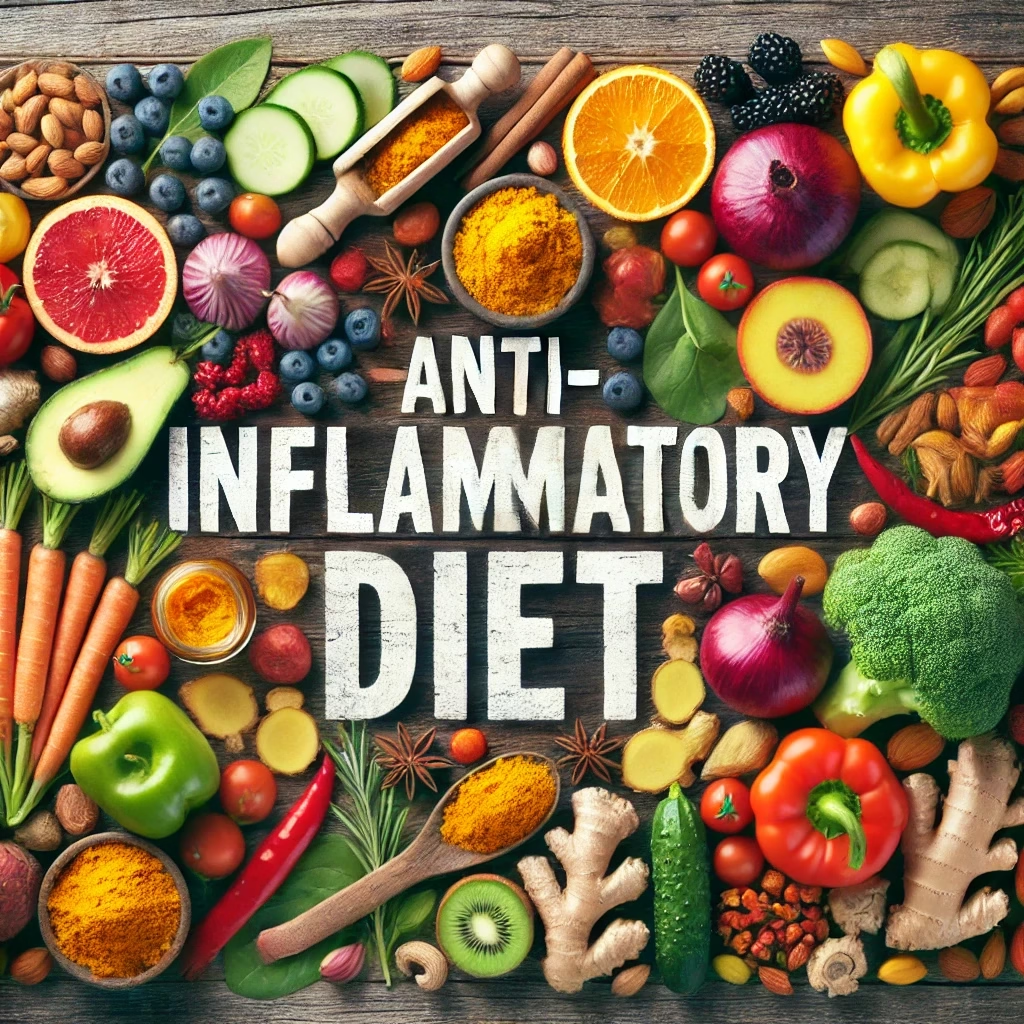
Here’s a simple, anti-inflammatory meal plan to get you started:
Morning
Warm water with turmeric and a pinch of black pepper.
Seasonal fruits like oranges or papayas.
Breakfast
Oats with chia seeds, walnuts, and fresh berries.
Herbal tea or green tea.
Lunch
A mixed salad with leafy greens, tomatoes, cucumbers, and olive oil dressing.
A serving of brown rice with steamed vegetables.
Evening Snack
Handful of roasted pumpkin or sunflower seeds.
A cup of green tea or ginger tea.
Dinner
Steamed broccoli, sautéed spinach, and roasted sweet potatoes seasoned with olive oil, garlic, and turmeric.
A small portion of fermented foods like pickles or yogurt.
Chronic inflammation is a silent disruptor of health, but it can be managed and even reversed through intentional lifestyle choices. By adopting a nutritious anti-inflammatory diet, staying active, managing stress, and ensuring proper sleep, you can protect yourself from the harmful effects of inflammation.





Pingback: "The Magic of Intermittent Fasting" - THE KNOWLEDGE LOOM