Understanding Cholesterol and Managing It Through Diet and Lifestyle
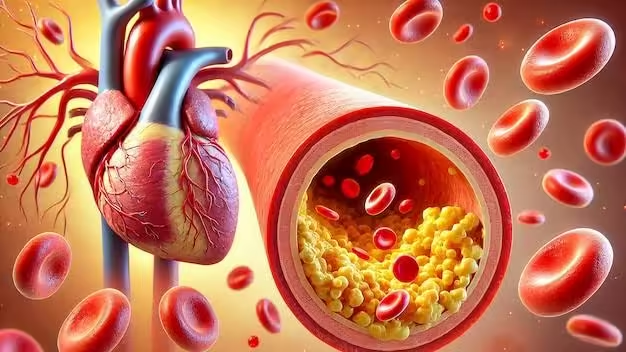
Cholesterol is a crucial component produced by the liver, essential for various metabolic activities such as cell formation and hormone production. It travels through the body with the help of proteins and is categorised into two types: good cholesterol (HDL) and bad cholesterol (LDL and VLDL).
While HDL is beneficial, LDL and VLDL can deposit in blood vessels, leading to heart attacks and strokes. Therefore, it is vital to manage fat consumption to maintain healthy cholesterol levels.
Types of Cholesterol
High-Density Lipoprotein (HDL)
HDL is often referred to as good cholesterol. It helps transport cholesterol from other parts of the body back to the liver, where it can be processed and removed. Higher levels of HDL are associated with a lower risk of heart disease.
Low-Density Lipoprotein (LDL) and Very-Low-Density Lipoprotein (VLDL)
LDL and VLDL are known as bad cholesterol. They transport cholesterol to the arteries, where it can build up as plaque, narrowing the arteries and increasing the risk of heart attacks and strokes. Managing the levels of LDL and VLDL is crucial for cardiovascular health.
Types of Fats
There are three main types of fats that impact cholesterol levels differently:
1. Saturated Fat
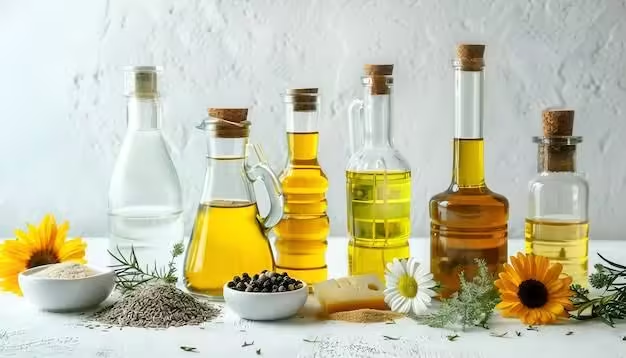
Saturated fats are commonly found in animal products such as meats and dairy. Consuming high amounts of saturated fats can prompt the liver to produce more bad cholesterol. Foods high in saturated fats include:
• Red meat
• Butter
• Cheese
• Ghee
• Palm oil
• Coconut oil
Limiting the intake of saturated fats is essential for maintaining healthy cholesterol levels.
2. Unsaturated Fat
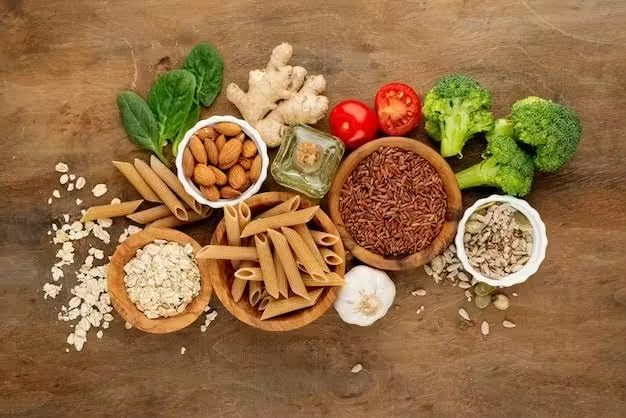
Unsaturated fats are beneficial and help in reducing bad cholesterol levels. These fats are primarily found in:
• Plants
• Nuts
• Seeds
• Vegetable oils (e.g., olive oil, groundnut oil)
• Fatty fish (e.g., salmon, mackerel)
Including unsaturated fats in your diet can help break down LDL and VLDL cholesterol, promoting cardiovascular health.
3. Trans Fat

Trans fats are the most harmful type of fat and should be avoided as much as possible. They are found in:
• Fried foods
• Baked goods
• Packaged snacks (e.g., chips, cookies)
• Fast food
Trans fats not only raise LDL levels but also lower HDL levels, significantly increasing the risk of heart disease.
Tips for Reducing Cholesterol
Maintaining healthy cholesterol levels involves making conscious dietary and lifestyle choices. Here are some effective tips to help manage cholesterol:
1. Avoid Trans Fats
Minimize or eliminate the intake of trans fats by avoiding packaged and fried foods. While these foods may be tasty, their negative impact on cholesterol levels makes them a poor choice for heart health. If you do indulge, do so sparingly.
2. Limit Saturated Fats
Consume saturated fats in moderation. Foods such as butter, cheese, ghee, palm oil, and coconut oil should be limited to no more than 1 teaspoon per day. Opt for low-fat or fat-free dairy products and lean cuts of meat to reduce saturated fat intake.
3. Consume Good Fats
Incorporate healthy fats into your diet. Use oils like olive oil and groundnut oil for cooking, and include nuts such as almonds, walnuts, and cashews in your meals. Fruits like avocados are also excellent sources of good fats. These fats are essential for the body and help in lowering bad cholesterol levels.
4. Exercise Regularly
Physical activity is crucial for reducing cholesterol levels. Exercise helps lower triglycerides and increase HDL levels. Incorporate activities such as walking, jogging, cycling, or swimming into your routine. Additionally, practicing specific yoga asanas can be beneficial:
• Suryanamaskar (Sun Salutation): This sequence of poses provides a full-body workout, improving circulation and strengthening various muscle groups.
• Hastapadasana (Hand-to-Foot Pose): This forward-bending pose stretches the back and legs, promoting flexibility and relaxation.
• Ardha Matsyendrasana (Half Spinal Twist): This twisting pose massages the abdominal organs and improves digestion.
• Plank Pose: This core-strengthening exercise helps build endurance and stability.
5. Practice Pranayama
Pranayama, or yogic breathing exercises, can help reduce stress and improve overall well-being. One effective technique is Yogendra Pranayama, which involves deep abdominal breathing. Practicing this for 10 minutes twice or thrice a day can help maintain flexible abdominal muscles and reduce stress, both of which contribute to healthier cholesterol levels.
Special Drink to Lower Cholesterol: Kulith Rasam (Horse Gram Drink)
Kulith Rasam is a traditional drink that can help naturally lower cholesterol levels. Horse gram, the main ingredient, is rich in iron, calcium, and fiber, making it a nutritious addition to your diet.
Ingredients:
• 2 cups cooked horse gram
• 1 tsp lemon juice
• 2 tsp garlic paste
• 1 chopped tomato
• 2 tsp paste of pepper and cumin seeds
• 5 ml cooking oil
• Salt to taste
• 5-6 curry leaves
Method:
1. Clean, wash, and soak horse gram for 4 hours. Steam it, let it cool, and remove excess water.
2. Heat oil in a pan, add mustard seeds and curry leaves until they splatter.
3. Add chopped tomatoes and garlic paste, sauté until the raw smell dissipates.
4. Add lemon juice, salt, and water, then bring to a boil.
5. Add horse gram, mash the mixture well, boil again, and serve hot.
This drink, combined with a diet rich in protein, fiber, fresh fruits, vegetables, and nuts, can help naturally reduce cholesterol levels.
Additional Tips for a Heart-Healthy Lifestyle
1. Eat a Balanced Diet
Focus on consuming a variety of nutrient-dense foods, including:
• Whole grains (e.g., oats, brown rice, quinoa)
• Fresh fruits and vegetables
• Lean proteins (e.g., chicken, fish, tofu)
• Legumes and beans
2. Stay Hydrated
Drink plenty of water throughout the day to support overall health and maintain proper bodily functions.
3. Avoid Smoking and Limit Alcohol
Smoking and excessive alcohol consumption can negatively impact cholesterol levels and increase the risk of heart disease. Quitting smoking and moderating alcohol intake are essential steps toward better heart health.
4. Manage Stress
Chronic stress can contribute to high cholesterol levels. Practice stress-reducing techniques such as meditation, mindfulness, and yoga to maintain mental and emotional well-being.
5. Regular Health Check-Ups
Schedule regular check-ups with your healthcare provider to monitor cholesterol levels and overall health. Early detection and management of high cholesterol can prevent serious health complications.
Cholesterol is an essential component produced by the liver, but managing its levels through diet and lifestyle is crucial for heart health. By avoiding trans fats, limiting saturated fats, consuming good fats, exercising regularly, and practicing stress-reducing techniques, you can maintain healthy cholesterol levels.
Incorporating beneficial drinks like Kulith Rasam and following a balanced diet further supports cardiovascular health. Stay active, eat well, and live an stress-free life to keep cholesterol levels in check and promote overall well-being.





Pingback: Women’s Health: PCOD and PCOS Insights - THE KNOWLEDGE LOOM