
The Importance of Micronutrients in Diet

In the realm of health and nutrition, the spotlight often falls on macronutrients like protein, fat, and carbohydrates. However, this focus sometimes overshadows the critical role of micronutrients, which are essential for maintaining optimal health despite being required in smaller quantities.
Recent research has highlighted a growing concern in India, where both men and women are experiencing significant micronutrient deficiencies.
What are Micronutrients?
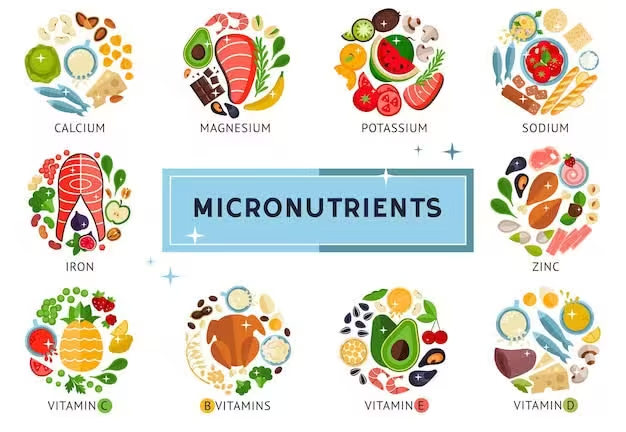
Micronutrients, unlike macronutrients, are needed in minute amounts but are vital for the body’s proper functioning. These include a variety of vitamins and minerals, such as:
• Vitamins: A, B complex (including B1, B2, B3, B6, B12, folic acid), C, D, E, and K.
• Minerals: Iron, calcium, selenium, sodium, iodine, copper, zinc, magnesium, and manganese.
Despite their small required quantities, micronutrients are essential for a multitude of physiological functions, including immune response, energy production, bone health, and prevention of chronic diseases.
Micronutrient Deficiency in India
Recent studies indicate that Indian diets are increasingly lacking in essential micronutrients. This is a major public health concern, as deficiencies in micronutrients can lead to severe health issues:
• Women: Calcium and iodine deficiencies are particularly prevalent. Calcium is crucial for bone health, while iodine is necessary for thyroid function.
• Men: Zinc and magnesium deficiencies are common. Zinc is vital for immune function and wound healing, while magnesium plays a key role in muscle and nerve function.
The underlying causes of these deficiencies are multifaceted, including poor dietary habits, limited access to a variety of nutritious foods, and a lack of awareness about the importance of a balanced diet.
Global Health Impact
The World Health Organization (WHO) classifies micronutrient deficiency as a global health threat, often referred to as “hidden hunger.” Unlike deficiencies in macronutrients, the signs of micronutrient deficiencies are not always immediately apparent.
They can subtly impair physical and cognitive development, increase susceptibility to infections, and contribute to chronic diseases.
Micronutrient deficiencies can also significantly impact mental health and the body’s ability to perform essential functions, increasing the risk of diseases and reducing overall quality of life.
Role of Micronutrients in the Body

Micronutrients play a critical role in maintaining various bodily functions. Each nutrient has a specific function and contributes uniquely to overall health:
• Manganese: Important for bone formation, energy production, and protection against oxidative stress.
• Iron: Essential for the formation of red blood cells and the transportation of oxygen throughout the body.
• Magnesium: Crucial for maintaining normal muscle and nerve function, steady heart rhythm, and a healthy immune system.
• Iodine: Key for the production of thyroid hormones, which regulate metabolism and support growth and development.
• Vitamin A: Supports eye health, immune function, and reproductive health.
• Vitamin B Complex: Each B vitamin has unique roles, but collectively, they support cell metabolism, energy production, and the formation of red blood cells.
• Vitamin C: A powerful antioxidant that supports immune function, aids in the synthesis of collagen, and enhances the absorption of iron from plant-based foods.
• Vitamin D: Facilitates the absorption of calcium, promoting bone health and reducing inflammation.
• Vitamin E: Protects cells from damage by free radicals, supports immune function, and helps maintain healthy skin and eyes.
• Zinc: Vital for immune function, protein synthesis, wound healing, DNA synthesis, and cell division.
Dietary Recommendations

Variety is Key
A diverse diet is essential for obtaining a wide range of micronutrients. Incorporating a variety of fruits, vegetables, whole grains, and dairy products ensures a balanced intake of essential vitamins and minerals.
Eat Fresh
Fresh foods typically have the highest nutrient density. Avoid foods with pesticides, chemicals, and preservatives, and prioritize seasonal items, as they are often more nutrient-rich.
Consider Supplements
In some cases, fortified foods or supplements may be necessary to meet nutritional needs, particularly for individuals with specific dietary restrictions or health conditions. However, it’s important to consult a healthcare provider before starting any supplement regimen, as excessive intake of certain vitamins and minerals can be harmful.
Important Minerals and Their Sources

To combat micronutrient deficiencies, it is important to include foods rich in essential minerals:
• Boron: Found in apples, carrots, grapes, nuts, pears, and whole grains.
• Calcium: Abundant in dairy products, sesame seeds, figs, and bok chow.
• Chromium: Present in broccoli, potatoes, oranges, fish, and dried fruits.
• Copper: Available in sesame seeds, cashews, spinach, soybeans, shrimp, and asparagus.
• Iron: Sourced from red meat, poultry, fish (heme iron), and cereals, vegetables, and legumes (non-heme iron).
• Iodine: Found in iodised salt, eggs, dairy products, and seafood.
• Magnesium: Rich in seafood, walnuts, custard apple seeds, and spinach.
• Potassium: Present in bananas, potatoes, mushrooms, spinach, broccoli, brinjal, tomatoes, cucumbers, and strawberries.
• Selenium: Found in fish, whole-grain bread, brown rice, mushrooms, and seeds.
• Zinc: Available in seafood, poultry products, custard apple seeds, sesame seeds, dry fruits, yogurt, spinach, broccoli, eggs, whole grains, tofu, and beans.
Symptoms of Micronutrient Deficiency
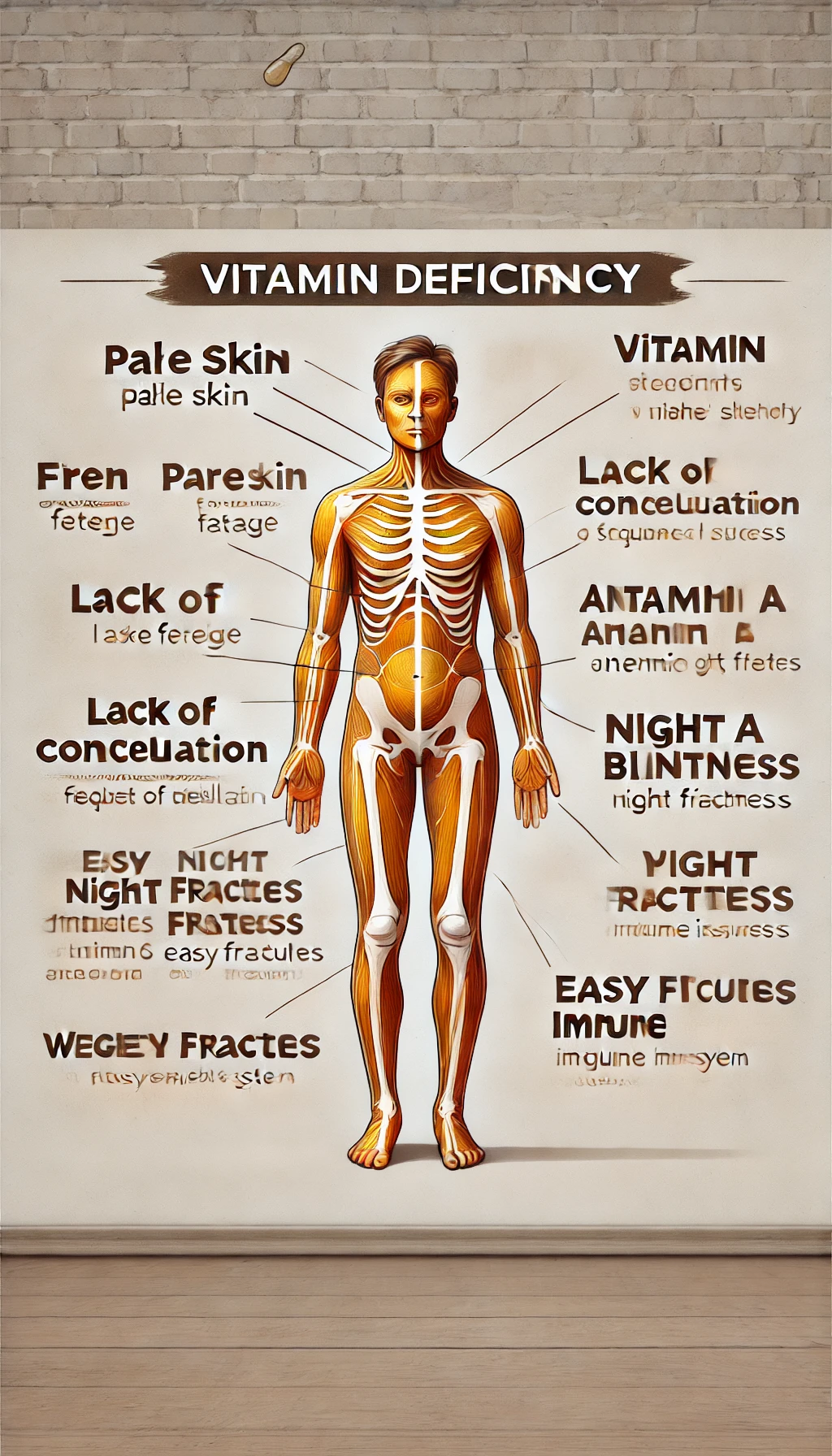
Identifying micronutrient deficiencies can be challenging due to their subtle and non-specific symptoms. Common signs include:
• Fatigue and Lack of Energy: Often caused by deficiencies in iron, vitamin B12, and magnesium.
• Lack of Concentration: Linked to insufficient iron, iodine, and vitamin B complex.
• Frequent Illness: A weakened immune system due to low levels of vitamins C and D, and zinc.
• Shortness of Breath When Climbing Stairs: Often a symptom of iron deficiency anaemia.
• Anaemia: Commonly results from deficiencies in iron, folate, and vitamin B12.
• Night Blindness: Caused by vitamin A deficiency.
• Easy Fractures: Often due to insufficient calcium and vitamin D.
• Pale Skin Colour: Can indicate iron deficiency anaemia.
Causes of Micronutrient Deficiency in India
Several factors contribute to the prevalence of micronutrient deficiencies in India:
Moving Away from Traditional Meals
Traditional Indian meals, like the thali, are typically varied and balanced, providing a range of essential nutrients. However, modern eating habits have shifted towards less nutritionally balanced options.
Not Consuming Seasonal Fruits and Vegetables
Seasonal fruits and vegetables are generally more nutrient-rich, yet many people do not prioritize them, opting instead for non-seasonal produce that may not offer the same nutritional benefits.
Increased Consumption of Processed and Junk Food
The modern diet often includes more processed and junk foods, which are less nutrient-dense compared to whole grains and fresh produce. These foods are typically high in calories but low in essential nutrients.
Preference for Ready-to-Eat and Outside Food
The convenience of ready-to-eat meals and dining out has led to a decrease in home-cooked meals, which are typically healthier and more balanced in terms of nutrient content.
Prioritizing Taste Over Nutrition
Many people choose foods based on taste rather than nutritional value, leading to imbalanced diets that lack essential micronutrients.
Poor Lifestyle Choices
Excessive stress, lack of sleep, and poor gut health can all contribute to nutrient malabsorption and deficiencies. Additionally, factors such as smoking and alcohol consumption can further deplete the body’s nutrient stores.
Addressing micronutrient deficiencies requires a multifaceted approach that includes dietary changes, lifestyle modifications, and increased awareness about the importance of micronutrients.
By making conscious choices about what we eat and focusing on a balanced diet rich in a variety of foods, we can significantly improve health outcomes and enhance overall quality of life.
Encouraging the consumption of fresh, seasonal, and minimally processed foods, alongside considering supplements when necessary, can help combat the growing issue of micronutrient deficiencies in India and around the world.




Pingback: BUILDING STRONG SPEAKING SKILLS IN KIDS - THE KNOWLEDGE LOOM