
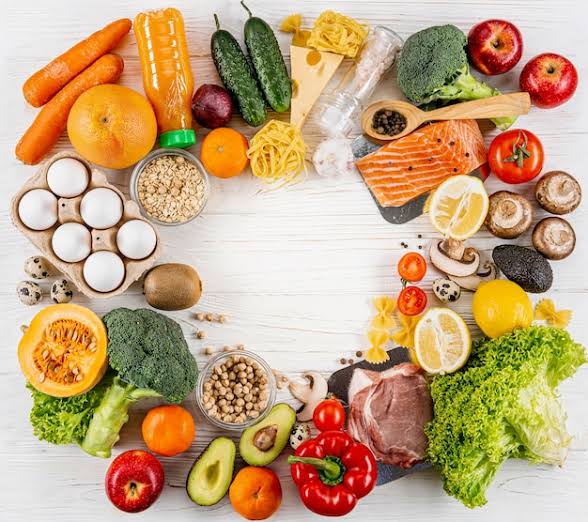
Learn about the essential vitamins, their sources, and the symptoms of deficiency. Discover how to maintain optimal health by incorporating nutrient-rich foods into your diet. Stay informed and safeguard your well-being with these vital tips.
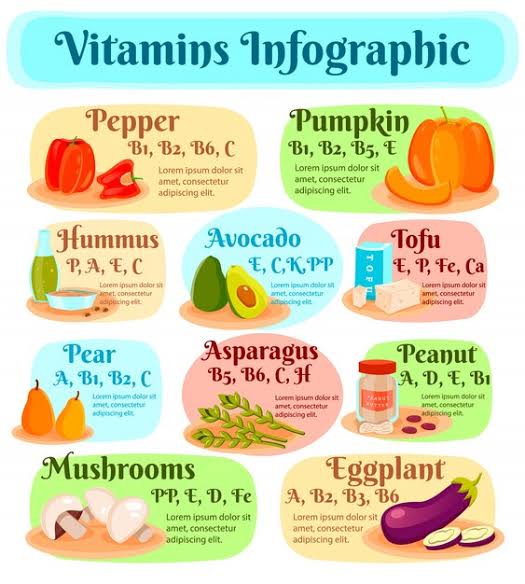
Vitamins are essential micronutrients that play a crucial role in maintaining our health and bodily functions. Deficiency in these vitamins can lead to various health problems, which may seem minor at first but can cause significant harm to the body over time. Here, we’ll explore different vitamins, their sources, and the symptoms of their deficiency.
VITAMIN A
SYMPTOMS OF DEFICIENCY:
Night blindness, dry skin, compromised immune system, and increased risk of infections.
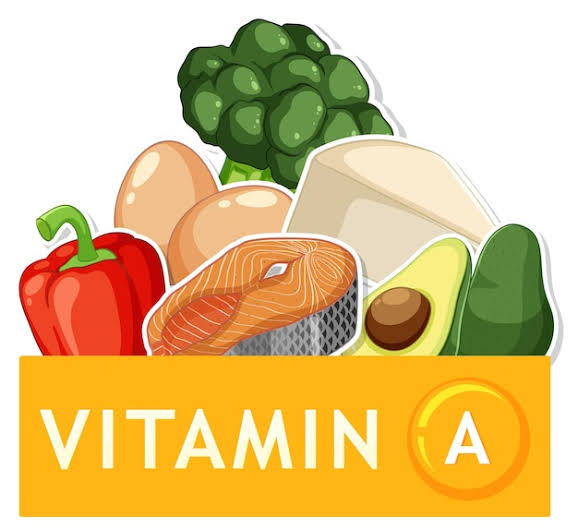
SOURCES:
Consume foods rich in beta-carotene, which is converted into Vitamin A in the body. Include medium-sized sweet potatoes, 1 cup of cooked carrots, and 1 cup of dark green leafy vegetables (such as spinach, fenugreek, and cabbage) in your diet.
VITAMIN K
SYMPTOMS OF DEFICIENCY:
Skin peeling, cuts, bleeding gums, excessive bleeding from wounds, and slow healing of wounds.
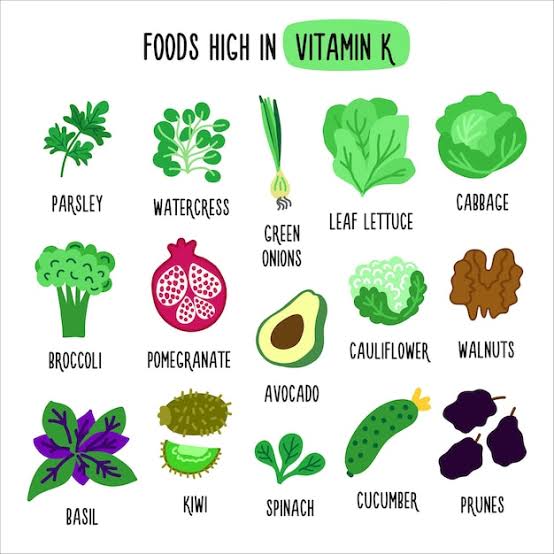
SOURCES:
Green leafy vegetables, cabbage, kiwi, blueberries, and carrots.
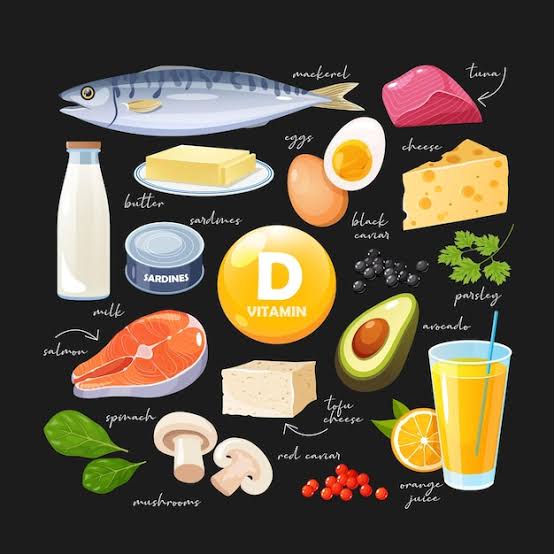
VITAMIN D
SYMPTOMS OF DEFICIENCY:
Rickets in children and osteomalacia (softening of bones) in adults. A weakened immune system, leading to an increased risk of infections.
SOURCES:
Sunlight is the primary source. Spend 10-15 minutes in the sun each morning. Include fortified milk products like 1 cup of milk in your diet.
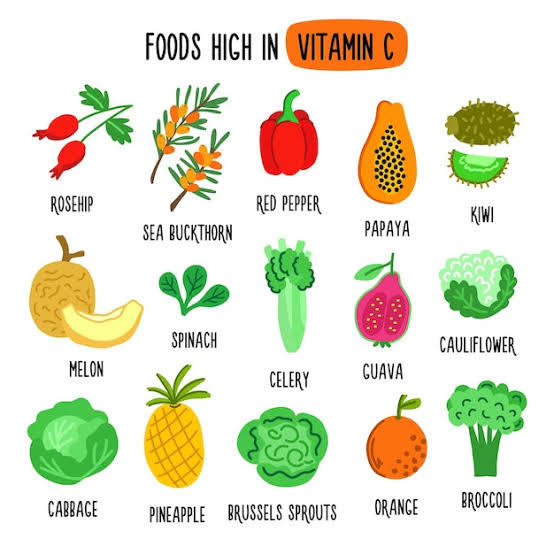
VITAMIN C
SYMPTOMS OF DEFICIENCY:
Increased risk of scurvy, which causes fatigue, gum problems, and a weakened immune system.
SOURCES:
Consume citrus fruits like oranges (1 medium-sized), strawberries (1 cup), and lightly ripe bell peppers.
B-COMPLEX VITAMINS
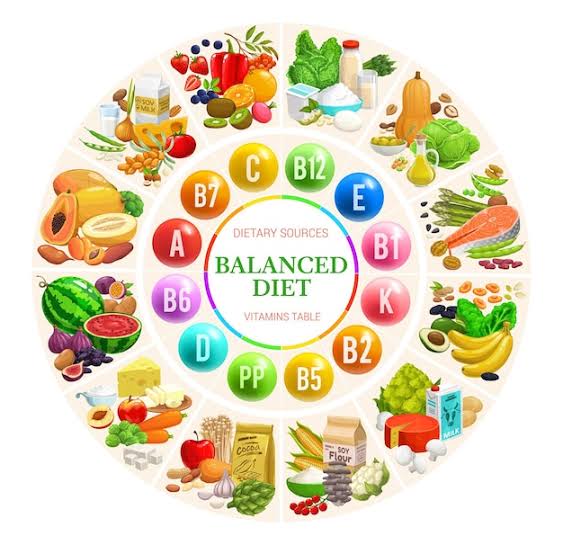
B-Complex Vitamins consist of eight different vitamins, each playing an essential role in maintaining health. They support metabolism, the nervous system, and the formation of red blood cells.
VITAMIN B1 (Thiamine)
SYMPTOMS OF DEFICIENCY:
Beriberi, which causes fatigue, nerve damage, and muscle weakness.
SOURCES:
Whole grains (1 cup cooked) and pulses (1 cup cooked).
VITAMIN B2 (Riboflavin)
SYMPTOMS OF DEFICIENCY:
Cracks in the corners of the mouth, swollen tongue, and other skin-related problems.
SOURCES:
Dairy products (1 cup) and green leafy vegetables (1 cup cooked).
VITAMIN B3 (Niacin)
SYMPTOMS OF DEFICIENCY:
Pellagra, characterised by fatigue, swelling, and diarrhoea.
SOURCES :
Whole grains (1 cup cooked).
VITAMIN B5 (Pantothenic Acid)
SYMPTOMS OF DEFICIENCY :
Fatigue, headache, and nausea.
SOURCES:
1 cup of cooked whole grains.
VITAMIN B6 (Pyridoxine)
SYMPTOMS OF DEFICIENCY:
Fatigue, muscle weakness, and a compromised immune system.
Cooked whole grains (1cup)
VITAMIN B7 biotin
SYMPTOMS OF DEFICIENCY:
Skin problems, hair loss, and nerve damage.
SOURCES:
Nuts like 5-6 almonds and seeds like sunflower seeds (1/2-1 teaspoon daily).
VITAMIN B9 (Folic Acid)
SYMPTOMS OF DEFICIENCY:
Anemia, fatigue, and congenital disorders in babies of pregnant women affecting the brain and spinal cord.
SOURCES:
Leafy vegetables (1 cup cooked) and pulses (1 cup cooked).
VITAMIN B12 (Cobalamin)
SYMPTOMS OF DEFICIENCY:
Anemia, fatigue, nerve damage, muscle weakness, numbness in limbs, and difficulty walking.
SOURCES:
2 cups of milk daily from dairy products.
CONCLUSION
Ensuring a balanced intake of these vitamins is vital for maintaining overall health and preventing deficiency-related health issues. Incorporate a variety of nutrient-rich foods into your diet to meet your daily vitamin requirements.
By following these guidelines, you can help safeguard your health and well-being.





#Vitamin source
Pingback: THE IMPORTANCE OF MICRONUTRIENTS IN DIET -THE KNOWLEDGE LOOM