Intermittent Fasting & Autophagy: A Powerful Connection for Health and Longevity

Intermittent fasting (IF) is more than just a trend—it’s a scientifically backed lifestyle that can help you achieve weight loss, improve mental clarity, and even prevent various diseases. But there’s more to it than just eating at specific times. One of the most fascinating processes triggered by intermittent fasting is autophagy. In this article, we’ll explore how intermittent fasting and autophagy are connected, and how together, they can help you feel and look your best.
What is Intermittent Fasting?
Intermittent fasting is an eating pattern that cycles between periods of eating and fasting. The main focus of this approach is when you eat, rather than what you eat. Unlike traditional diets that restrict certain food groups or calories, intermittent fasting controls the timing of food intake. It helps your body tap into fat-burning and healing mechanisms by giving it extended periods of rest from digesting food.
Some of the most popular intermittent fasting methods include:
1. The 16-8 Method: This involves fasting for 16 hours a day and eating within an 8-hour window. For example, you might eat from 10 a.m. to 6 p.m. and fast from 6 p.m. to 10 a.m. the next day.
2. The 5:2 Method: In this method, you eat normally for five days of the week and restrict your calorie intake (around 500-600 calories) on the other two days.
3. Eat-Stop-Eat: This method involves fasting for 24 hours once or twice a week.
The Role of Autophagy in Your Body
Autophagy, which means “self-eating,” is a natural process in your body where cells break down and remove damaged or unnecessary components. Think of it as a deep cleaning of your body’s cells. During periods of fasting, your body gets a chance to initiate autophagy, cleaning out the cellular debris, damaged proteins, and even old mitochondria (the powerhouse of the cell). This promotes healthy cell function and regeneration, which can contribute to improved overall health.
Autophagy is crucial for maintaining cellular health. When your cells are able to clear out dysfunctional parts, they perform better, leading to better energy production, reduced inflammation, and even a lower risk of diseases like Alzheimer’s, Parkinson’s, and cancer.
How Intermittent Fasting Triggers Autophagy
The connection between intermittent fasting and autophagy is powerful. When you fast, your body depletes its glycogen stores (the stored form of glucose), which prompts the body to shift its energy source to fat. This shift allows autophagy to kick in, as the body uses this time to break down damaged cells and recycle them into new, healthy cells.
During the fasting phase, autophagy also helps to eliminate harmful bacteria, viruses, and even malfunctioning proteins, which can accumulate in your body over time. Without regular fasting, your cells can become burdened with waste, leading to inflammation and slowing down metabolism. This process is not only beneficial for detoxification but also plays a role in enhancing longevity.
The Benefits of Autophagy
Autophagy isn’t just a waste-removal system—it’s a crucial mechanism that helps our bodies function optimally. Here are the major benefits:
1. Disease Prevention
Autophagy is known for preventing various diseases, especially neurodegenerative diseases like Alzheimer’s and Parkinson’s. Misfolded or aggregated proteins, which accumulate in the brain, are linked to these diseases. Autophagy helps clear out these misfolded proteins, thus protecting the brain from damage.
Autophagy also plays a role in cancer prevention by removing damaged or abnormal cells that could turn cancerous. By encouraging autophagy, you are actively reducing the risk of these life-threatening conditions.
2. Improved Longevity
Autophagy is linked to longevity due to its ability to remove damaged parts from cells and regenerate healthier ones. As we age, our cells accumulate damage. Autophagy slows this process by supporting cellular repair and renewal. The result is healthier cells, tissues, and organs, helping to slow down the aging process both internally and externally.
3. Better Skin Health
Autophagy not only affects internal health but also has a visible effect on our skin. As we age, cellular damage manifests as wrinkles, sagging, and dull skin. By encouraging autophagy, your body can repair damaged cells and improve the texture and elasticity of your skin, potentially reducing the visible signs of aging.
4. Boosted Immune System
Autophagy plays a role in clearing out harmful bacteria and viruses. It’s one of the body’s defense mechanisms, improving immune function and reducing inflammation. The ability to clear out pathogens helps your immune system respond more efficiently to infections.
5. Improved Metabolism and Fat Loss
Intermittent fasting helps regulate metabolism by reducing insulin resistance and promoting fat loss. During fasting periods, autophagy helps to burn stored fat for energy, making it a valuable tool for weight loss. This process supports healthy metabolic function, reducing the risk of metabolic diseases such as obesity and type 2 diabetes.
How to Incorporate Intermittent Fasting into Your Life
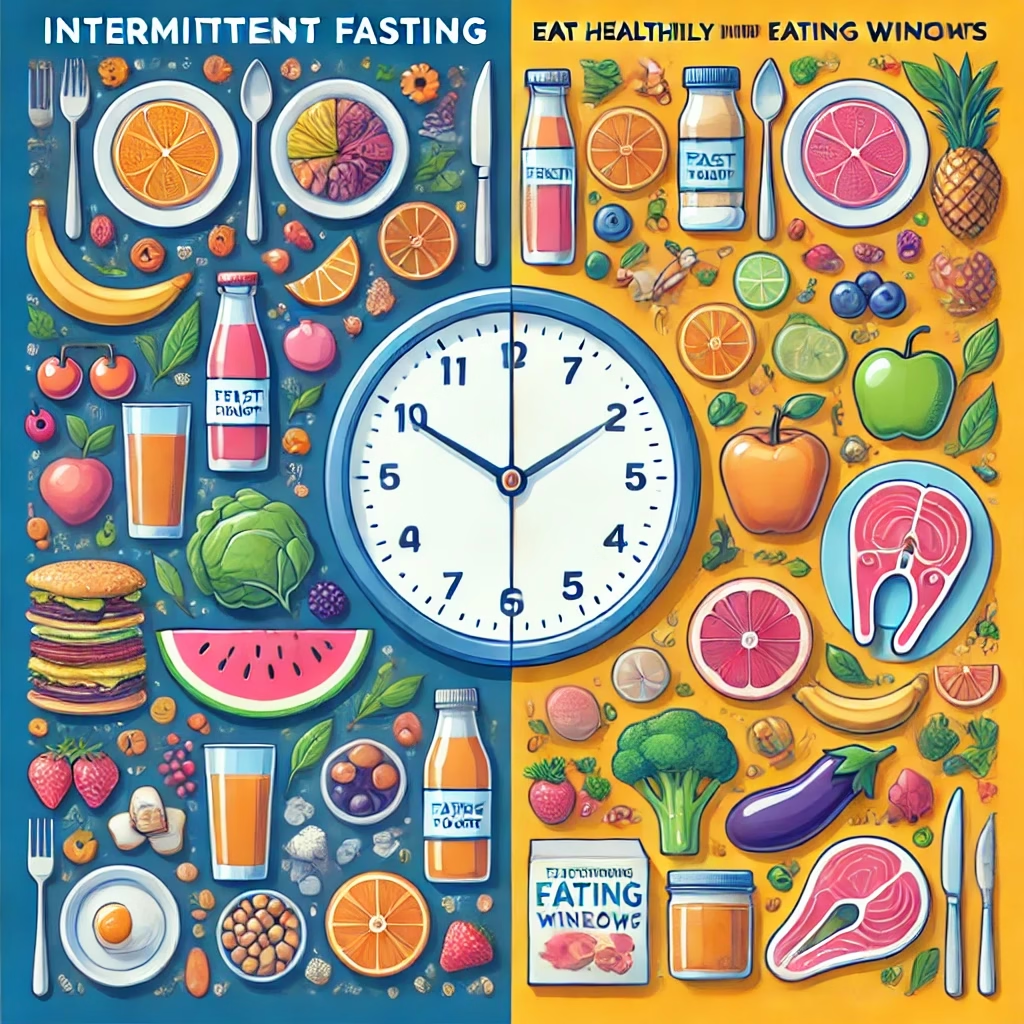
If you’re new to intermittent fasting, it’s important to ease into it and choose the method that suits your lifestyle. The 16-8 method is often recommended for beginners as it’s relatively easier to follow and allows for a large eating window. You can gradually adjust your eating times and fasting hours to find what works best for you.
Additionally, pairing intermittent fasting with a balanced diet rich in nutrients, lean proteins, healthy fats, and plenty of vegetables will support the benefits of autophagy. Foods that are high in antioxidants, like berries, leafy greens, and nuts, help protect your cells from oxidative stress, supporting the autophagic process.
Sample Diet Plan for Intermittent Fasting
If you are following the 16-8 method, here’s a sample diet chart for a typical day:
10:00 AM (Break the Fast)
Breakfast: Green smoothie with spinach, banana, chia seeds, plant-based protein powder, and unsweetened almond milk.
12:30 PM (Lunch)
Lunch: Grilled chicken or tofu salad with mixed greens, olive oil, avocado, and lemon dressing. Add some quinoa or chickpeas for extra protein.
3:30 PM (Snack)
Snack: A handful of almonds or walnuts and a piece of fruit (like an apple or berries).
5:30 PM (Dinner)
Dinner: Baked salmon or lentil stew with steamed vegetables such as broccoli, zucchini, and cauliflower.
During the fasting period (6 p.m. to 10 a.m.), it’s crucial to avoid snacking or eating anything with calories. Stick to water, herbal teas, or black coffee if you need to curb hunger.
For a customized diet plan tailored to your specific needs or goals, feel free to reach out to me at shwet.shikha30@gmail.com.
A Powerful Combination for Health
Incorporating intermittent fasting into your lifestyle has numerous benefits, from weight loss to mental clarity. When combined with autophagy, it provides an extra layer of cellular repair and rejuvenation, helping to prevent diseases, improve longevity, and enhance your overall quality of life. By allowing your body time to rest and heal, you’ll not only feel better but may also look younger and healthier.
Remember, consistency is key when it comes to intermittent fasting. Start slow, be patient with yourself, and soon you’ll notice the positive changes in both your body and mind. Embrace this ancient yet powerful practice, and let your body reap the rewards of intermittent fasting and autophagy.





Pingback: StayCool withThese Healthy Summer Drinks- THE KNOWLEDGE LOOM