
Understanding PCOD and PCOS: A Comprehensive Guide
Introduction to PCOD and PCOS
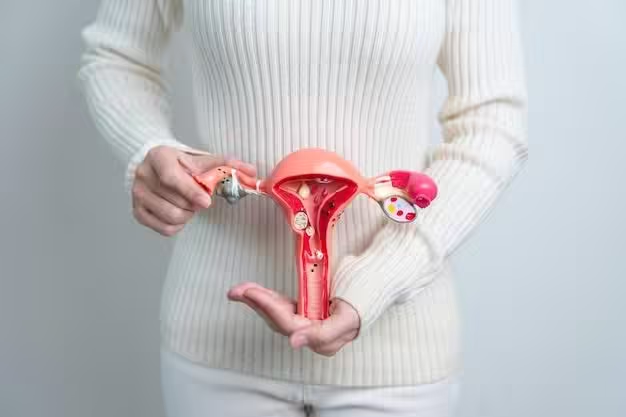
Polycystic Ovarian Disorder (PCOD) and Polycystic Ovarian Syndrome (PCOS) are hormonal disorders that are becoming increasingly common among women, particularly those of reproductive age. Globally, it is estimated that 1 in 10 women suffers from PCOD, and in India, 1 in 5 women is affected by PCOS.
Both conditions often go undiagnosed due to a lack of awareness and understanding. This article aims to provide a thorough overview of the symptoms, causes, diagnosis, and treatment options for these conditions.
Symptoms of PCOD and PCOS
The symptoms of PCOD and PCOS can vary widely among women, but some of the most common indicators include:
1. Irregular Menstrual Cycles: Women may experience infrequent, irregular, or prolonged menstrual cycles. This can manifest as fewer than eight periods in a year or heavy bleeding after a long interval.
2. Excessive Hair Growth: Known as hirsutism, this condition can lead to excessive hair growth on the face, chest, back, or thighs, while hair loss may occur on the scalp.
3. Weight Gain: Many women with PCOS struggle with weight gain, particularly around the abdomen, which is often difficult to reduce.
4. Acne and Oily Skin: Hormonal imbalances can lead to acne and other skin issues, such as oily skin.
5. Difficulty Conceiving: Irregular ovulation can make it challenging to conceive, leading to fertility issues.
6. Mood Swings and Mental Health Issues: Women with PCOS often experience mood swings, anxiety, and depression due to hormonal imbalances and the stress of managing their symptoms.
7. Skin Tags and Dark Patches: Some women may develop skin tags or dark patches on their skin, known as acanthosis nigricans, usually around the neck or underarms.
Understanding the Difference Between PCOD and PCOS
While both terms are often used interchangeably, it’s essential to note that they are not the same. PCOD is generally considered to be a milder form of the condition. In PCOD, women may experience irregular ovulation but are still able to conceive.
In contrast, PCOS involves more severe hormonal imbalances and can lead to complications such as diabetes and heart disease.
Causes of PCOD and PCOS
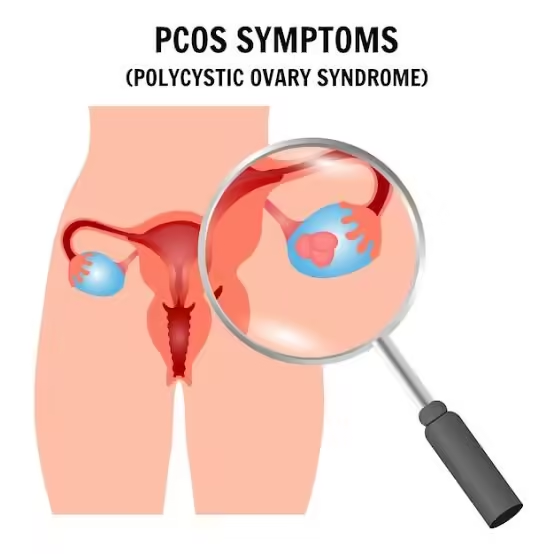
The exact cause of PCOD and PCOS is still not entirely understood, but several factors may contribute:
1. Hormonal Imbalance: Women with PCOS typically have elevated levels of testosterone and other male hormones, which can disrupt the normal functioning of the ovaries.
2. Genetics: A family history of PCOS can increase the likelihood of developing the condition. If a mother or sister has PCOS, you may be at higher risk.
3. Insulin Resistance: Many women with PCOS exhibit insulin resistance, where the body becomes less responsive to insulin. This condition can lead to higher insulin levels, weight gain, and difficulty in managing blood sugar levels.
4. Inflammation: Some studies suggest that chronic low-grade inflammation may play a role in the development of PCOS, contributing to insulin resistance and hormonal imbalances.
Diagnosis of PCOD and PCOS
If you suspect you have PCOD or PCOS, it is crucial to consult a healthcare professional. The diagnosis typically involves:
1. Medical History Review: Your doctor will ask about your menstrual cycles, symptoms, and any family history of hormonal disorders.
2. Physical Examination: A thorough physical examination may be performed to check for signs such as excessive hair growth or acne.
3. Blood Tests: Common tests include measuring hormone levels (such as FSH, LH, testosterone, and insulin) and checking for conditions like thyroid disorders and diabetes.
4. Ultrasound: A pelvic ultrasound may be conducted to examine the ovaries for cysts, which is a common feature of PCOS.
Treatment Options for PCOD and PCOS
Lifestyle Changes
1. Weight Management: For many women, losing even a small amount of weight can help manage symptoms, improve insulin sensitivity, and restore regular menstrual cycles.
2. Healthy Diet: Focus on a balanced diet rich in whole foods. It’s essential to avoid high-sugar, high-carb, and processed foods that can worsen insulin resistance. Include:
• Lean Proteins: Chicken, fish, legumes, and beans.
• Fruits and Vegetables: Aim for a variety of colors to ensure a wide range of nutrients.
• Healthy Fats: Incorporate avocados, nuts, and olive oil into your meals.
3. Regular Exercise: Engage in physical activity for at least 30-45 minutes most days of the week. This can include walking, jogging, cycling, yoga, or any activity you enjoy. Exercise helps lower insulin levels, improve mood, and aid in weight management.
4. Stress Management: High-stress levels can exacerbate symptoms. Techniques such as mindfulness, meditation, and yoga can be beneficial in managing stress.
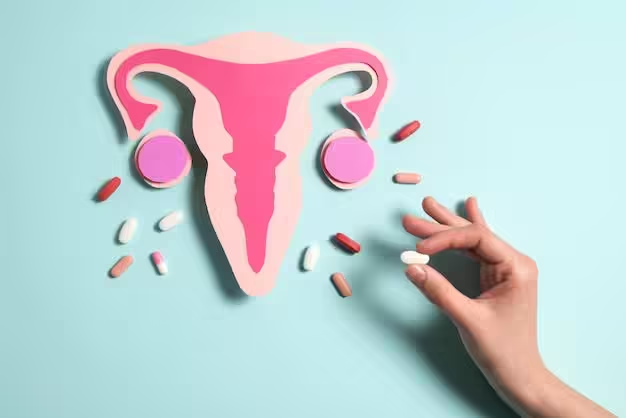
1. Hormonal Birth Control: Oral contraceptives can help regulate menstrual cycles, reduce androgen levels, and alleviate symptoms like acne and excessive hair growth.
2. Metformin: This medication is often prescribed to improve insulin sensitivity and assist with weight management in women with PCOS.
3. Anti-androgens: Medications like spironolactone can help reduce excessive hair growth and improve acne by blocking testosterone effects.
4. Fertility Treatments: If you are trying to conceive, medications like Clomiphene citrate or Letrozole may be prescribed to stimulate ovulation.
Living with PCOD and PCOS
Living with PCOD or PCOS can be challenging, but with the right approach, you can manage your symptoms effectively. Establish a support network of friends, family, or support groups. Sharing experiences and coping strategies can make a significant difference.
Regular Check-ups
Regular medical check-ups are crucial to monitor your condition, assess the effectiveness of your treatment plan, and make necessary adjustments. Your healthcare provider can guide you through managing symptoms and any related health concerns.
Understanding PCOD and PCOS is essential for women’s health, as early diagnosis and effective management can significantly improve quality of life. By adopting a healthy lifestyle, seeking medical advice, and staying informed, women can take charge of their health and wellbeing.
If you suspect you have PCOD or PCOS, consult a healthcare professional for personalized advice and treatment options. Remember, you are not alone in this journey, and many resources are available to support you.





Pingback: Hidden Gems Along the Manali Leh Route - THE KNOWLEDGE LOOM