Celebrate WORLD COCONUT DAY! Learn about the coconut tree, its benefits, cultural significance, and fascinating facts about the versatile Kalpavriksha.
Every year, September 2nd marks World Coconut Day, a global celebration recognising the significance of the coconut tree.
This day commemorates the establishment of the International Coconut Community, an organization comprising all coconut-producing countries in the Asian and Pacific region.
THE COCONUT TREE: KALPAVRIKSHA
Botanical Information
The COCONUT tree, known scientifically as Cocos nucifera, belongs to the palm family and is a vital crop in tropical areas.
These trees can live up to 80 years, typically beginning to bear fruit after 15 years. Mature coconut trees can reach impressive heights of 60 to 100 feet.
Cultural Significance in India
In Sanskrit, the COCONUT tree is called Kalpavriksha, which translates to “the tree that provides all necessities for life.”
In India, coconuts hold profound cultural and religious importance, used extensively in rituals, worship, and ceremonies. The fruit is also revered as ‘Shriphal’ or the auspicious fruit.
COCONUTS are packed with numerous health benefits:
Antiviral, Antibacterial, and Antifungal Properties: These properties make coconuts effective in fighting various infections.
Cholesterol Management: Regular consumption of coconut oil can help increase good cholesterol levels.
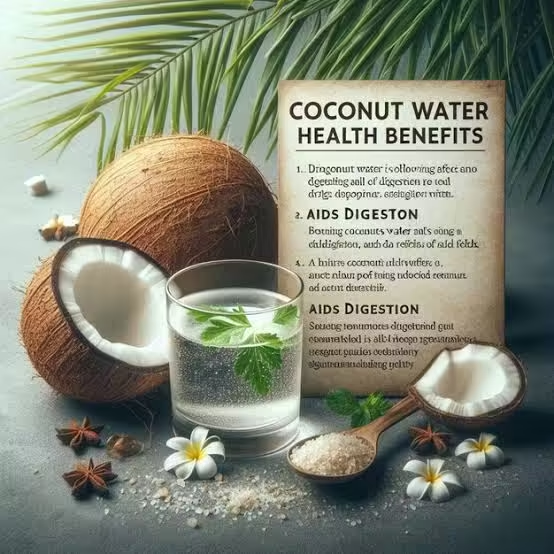
Nutrient-Rich: Coconut water is a rich source of vitamins B1, B2, pantothenic acid, folic acid, biotin, potassium, and sodium. It also contains essential carbohydrates and amino acids.
FASCINATING FACTS ABOUT COCONUT
Mosquito Repellent: Burning coconut peels is a traditional method used in many countries to ward off mosquitoes.
Diverse Varieties: Contrary to popular belief, there are hundreds of different types of coconuts found globally.
Historical Weapon: During World War II, the Japanese utilised coconuts as makeshift grenades, filling them with explosives and using them as weapons.
National Tree: The Coconut Palm Tree holds the status of being the national tree of the Maldives.
COCONUT BUTTER RECIPE
INGREDIENTS:
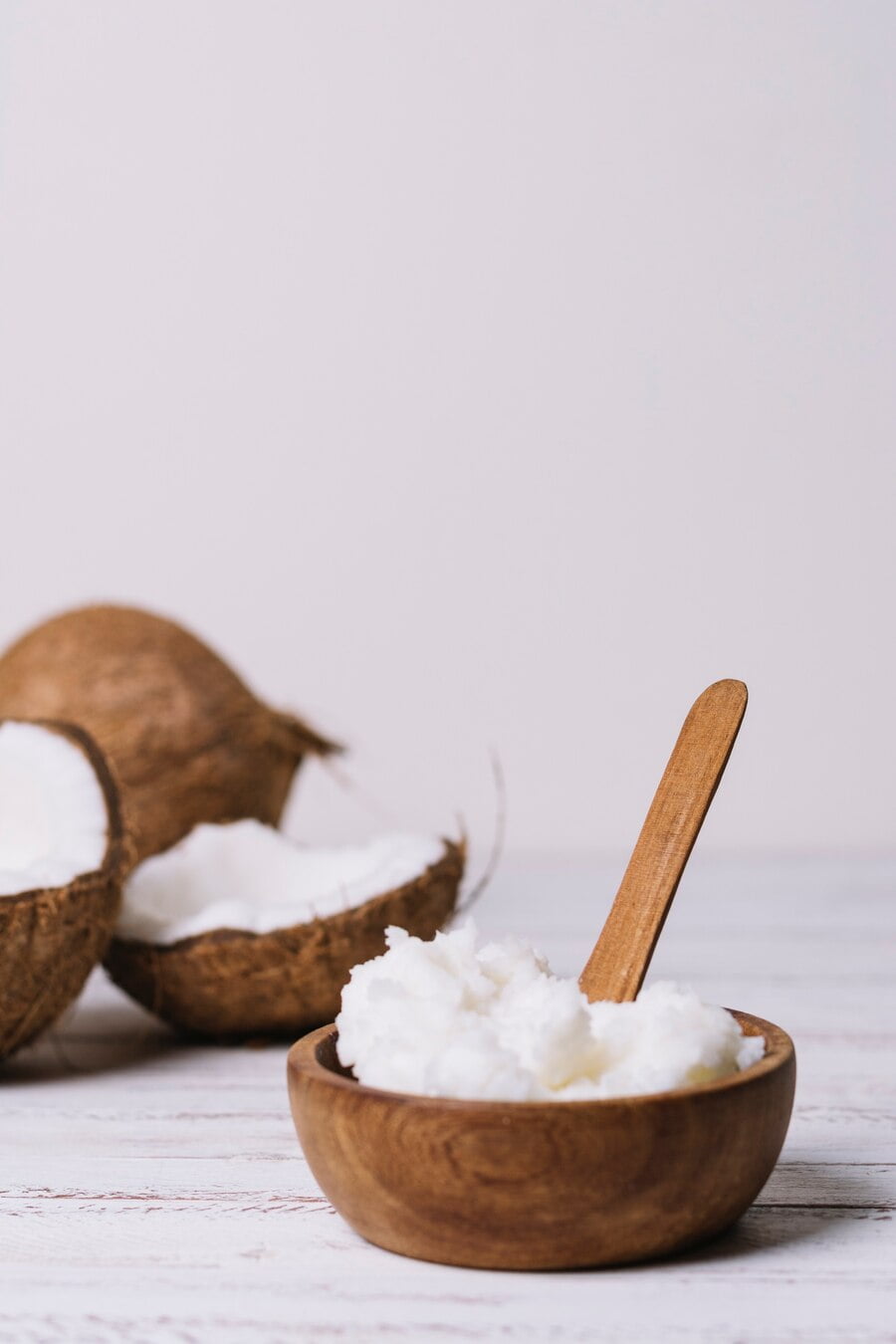
• 2 cups of unsweetened shredded coconut
METHOD OF PREPARATION:
1. Preparation: Add the shredded coconut to a food processor or high-speed blender.
2. Blending: Begin blending on a low speed, after then gradually increasing to high. Pause occasionally to scrape down the sides.
3. Achieving Smoothness: Continue blending until the mixture transforms into a smooth, creamy butter. This process usually takes about 10-15 minutes.
4. Storage: Transfer the freshly made coconut butter into a jar. Store at room temperature for a spreadable consistency or refrigerate for a firmer texture.
Usage:
Enjoy your homemade coconut butter as a delicious spread on toast, an ingredient in smoothies, or as a flavorful addition to various recipes!
By highlighting the versatility and importance of coconuts, World Coconut Day serves as a reminder of how this remarkable tree truly lives up to its name, Kalpavriksha, providing numerous benefits and uses essential for life.